
Hidden Roof Leaks
A S • January 22, 2026
Where They Start, How to Catch Them Early, and What to Do Next
Hidden Roof Leaks Are More Common Than Most Homeowners Realize
Many homeowners assume roof leaks are obvious. In reality, some of the most damaging leaks remain hidden for months or even years. Water often travels beneath roofing materials, along framing, or inside walls before it becomes visible. By the time stains appear on a ceiling, the damage is usually already extensive.
Understanding where hidden roof leaks start and how to catch them early can save you from expensive repairs and structural issues.
Where Hidden Roof Leaks Most Commonly Begin
Roof leaks rarely start in the middle of a shingle field. They almost always originate at vulnerable transition points where materials meet or penetrate the roof surface.
Flashing Around Roof Penetrations
Flashing plays a critical role in sealing the roof at points where vents, chimneys, skylights, and plumbing pipes pass through the surface. When flashing deteriorates or is installed incorrectly, these areas become some of the most common sources of hidden roof leaks. Common flashing-related issues include:
- Deteriorated flashing allows water to seep in during heavy rain or wind-driven storms.
- Improperly installed flashing may never seal correctly, even on a newer roof.
- Small gaps around penetrations often cause slow leaks that remain hidden for long periods.
Valleys and Roof Intersections
Roof valleys and intersections are designed to channel large amounts of water safely off the roof, which also makes them one of the most vulnerable areas for leaks. When these sections are compromised, water can move quickly beneath the roofing system and cause damage that is difficult to pinpoint. Common valley related issues include:
- Debris buildup in valleys can trap moisture and force water under shingles.
- Worn or damaged valley flashing can allow water to penetrate beneath the roof surface.
- Leaks in valleys often travel far from their original entry point, making them difficult to trace.
Aging or Damaged Shingles
Shingles serve as the first line of defense against rain, wind, and sun exposure, but their effectiveness declines as they age or become damaged. When shingles fail, water can easily penetrate the roofing system and create leaks that spread beyond the original problem area. Common shingle related issues include:.
- Cracked or curled shingles allow water to bypass the outer layer of protection.
- Missing shingles expose the underlayment, which is not designed for long term exposure.
- Granule loss weakens shingles and reduces their ability to repel water.
Gutters and Roof Edges
The edges of the roof play an important role in directing water safely away from the structure, but problems in these areas often go unnoticed until damage has already occurred. When gutters or edge components fail, moisture can work its way beneath the roofing system and cause hidden leaks. Common issues along the roof edge include:
- Clogged gutters cause water to back up under shingles along the roofline.
- Improperly installed drip edge allows water to reach the roof deck.
- Prolonged moisture at the edges can lead to rot and mold growth.
Early Warning Signs of a Hidden Roof Leak
Hidden leaks usually leave subtle clues before major damage appears. Knowing what to watch for helps homeowners act early.
Signs Inside the Home
When a roof leak is present, the earliest warning signs often appear indoors as moisture slowly makes its way into finished spaces. Paying attention to these interior changes can help homeowners catch problems before major damage occurs:
- Faint water stains on ceilings or walls may indicate slow, ongoing moisture intrusion.
- Peeling paint or bubbling drywall often signals moisture behind the surface.
- Musty odors suggest mold growth caused by trapped moisture.
- Unexpected increases in humidity inside the home may point to a concealed leak.
Signs in the Attic
Because the attic sits directly beneath the roof system, it often shows evidence of leaks well before water becomes visible inside the home. A careful attic inspection can reveal early signs of moisture-related damage such as:
- Dark spots or staining on roof decking indicate past or ongoing water intrusion.
- Damp insulation loses effectiveness and may feel heavy or compressed.
- Visible mold growth often forms near leak sources before water reaches living spaces.
Why Hidden Roof Leaks Are Dangerous
Hidden leaks do more than damage ceilings. They can compromise the structural integrity of your home if left untreated.
- Prolonged moisture exposure weakens wood framing and roof decking.
- Mold growth can spread quickly and affect indoor air quality.
- Electrical systems may be damaged when water reaches wiring.
- Repairs become significantly more expensive the longer a leak goes undetected.
Catching leaks early often means the difference between a small repair and a full roof replacement.
What to Do If You Suspect a Hidden Roof Leak
If you notice any warning signs, taking quick action is critical.
Steps Homeowners Should Take Immediately
- Document visible signs of damage so you have records for insurance or repair discussions.
- Avoid temporary fixes like sealants or patches without identifying the root cause.
- Schedule a professional roof inspection to locate the exact source of the leak.
- Address repairs promptly to prevent additional moisture damage.
Professional inspections use experience and trained observation to detect issues homeowners cannot safely or easily see.
How Professional Roof Inspections Catch Hidden Leaks
A thorough inspection goes beyond a surface level check and evaluates the entire roofing system.
Inspectors examine flashing, valleys, and penetrations where leaks most often start.
- Attic inspections help identify moisture paths and hidden damage.
- Roof decking and underlayment are evaluated for early signs of deterioration.
- Findings are documented so homeowners understand both current issues and future risks.
This process provides clarity and helps homeowners make informed decisions.
Protect Your Home by Acting Early
Hidden roof leaks rarely fix themselves. The longer they remain undetected, the more damage they cause. Scheduling a professional inspection at the first sign of trouble is the most effective way to protect your home and your budget.
Keeler Roofing provides:
- Detailed roof inspections focused on leak detection
- Clear explanations of findings and repair options
- Honest recommendations based on your roof’s condition
- Transparent estimates without unnecessary upsells
Your roof is your home’s first line of defense. Catching problems early helps you avoid costly surprises later.
Schedule your professional roof inspection today. Appointment availability is limited, especially during peak weather seasons.
Related Posts

Not sure if your roof needs a repair or a full replacement? Keeler Roofing explains the key differences, warning signs, and how to make the right decision for your Florida property.
A lifetime roofing warranty doesn’t mean full coverage forever. Learn what’s included, what voids coverage, and what to look for from Keeler Roofing in Florida.
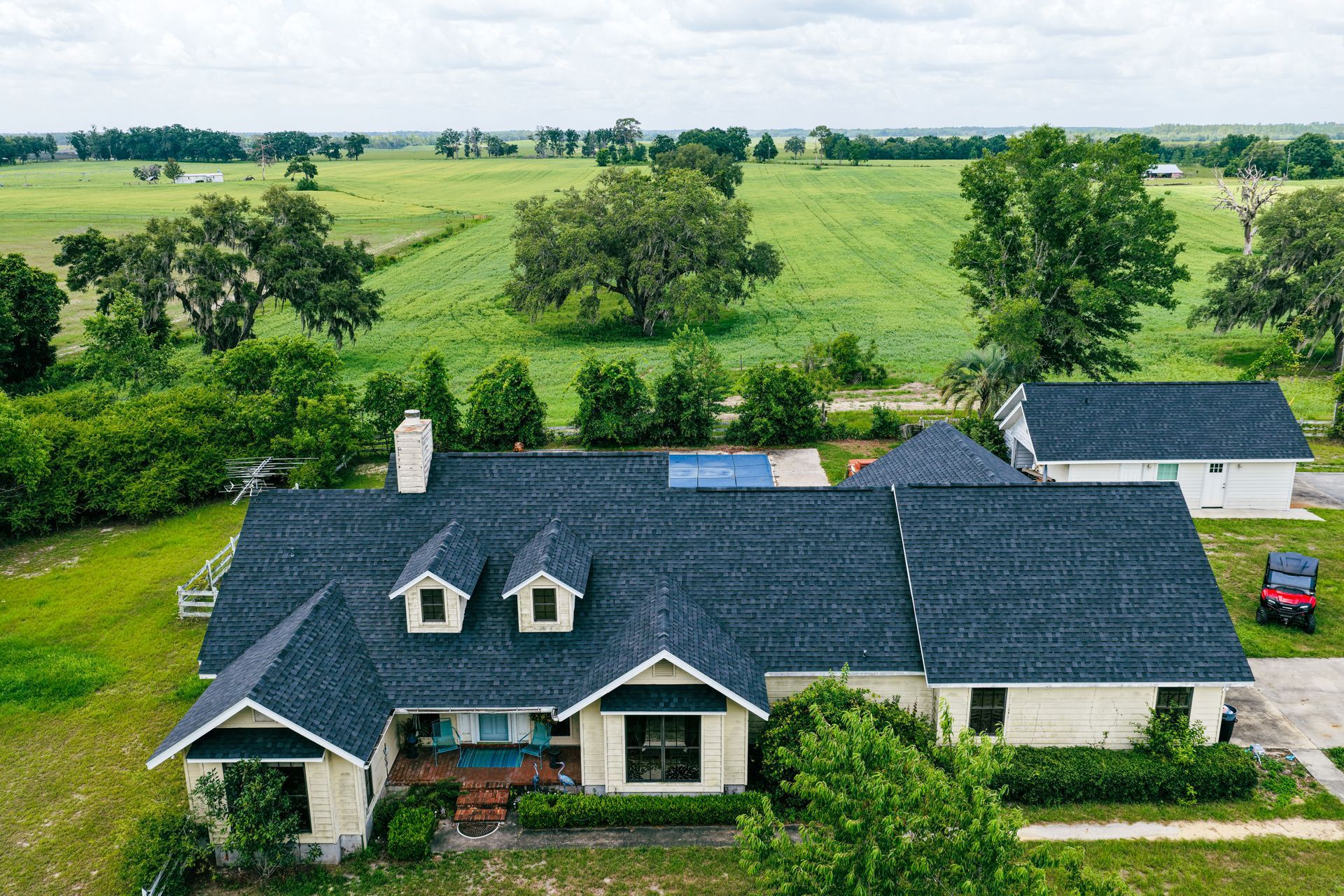
Poor attic ventilation shortens your roof's lifespan. Learn how proper airflow protects Florida roofs from heat, moisture, and early failure, brought to you by Keeler Roofing.
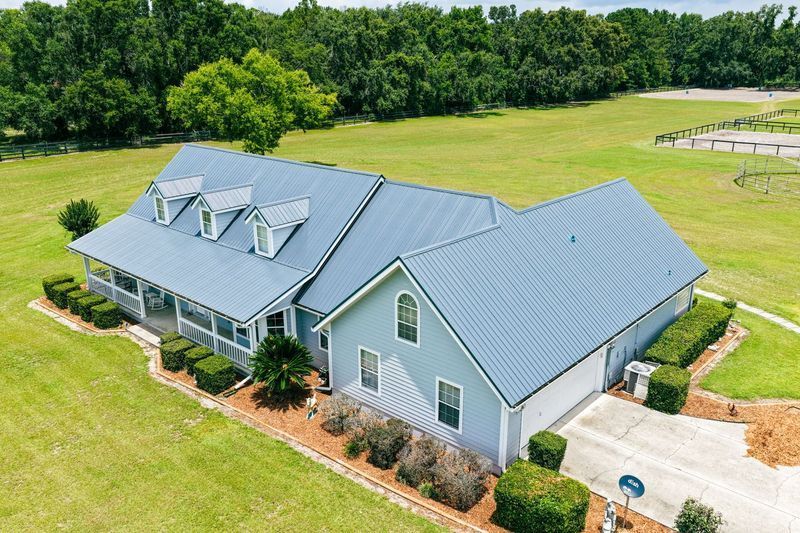
See real Florida ROI data on roof replacement, insurance savings, and grants. Expert insight from Keeler Roofing in Gainesville & Ocala.
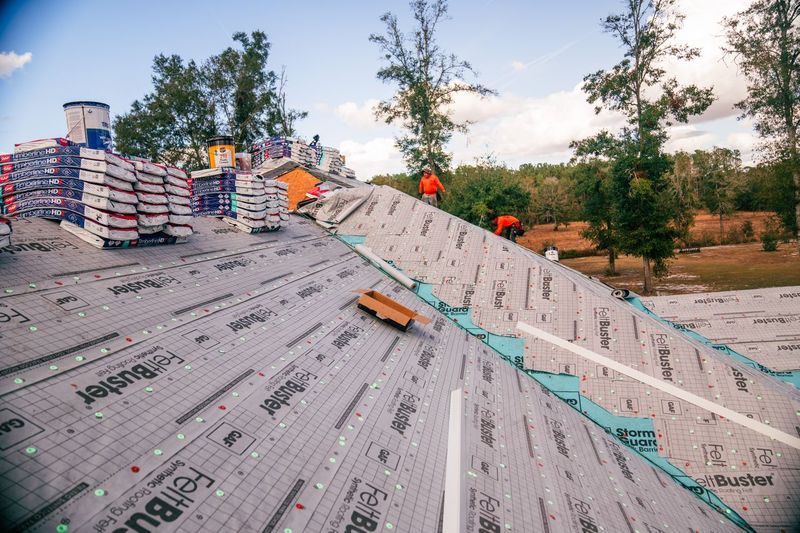
Learn how roofing underlayment protects your home, what Florida code requires, and how GAF products compare. Expert insight from Keeler Roofing.
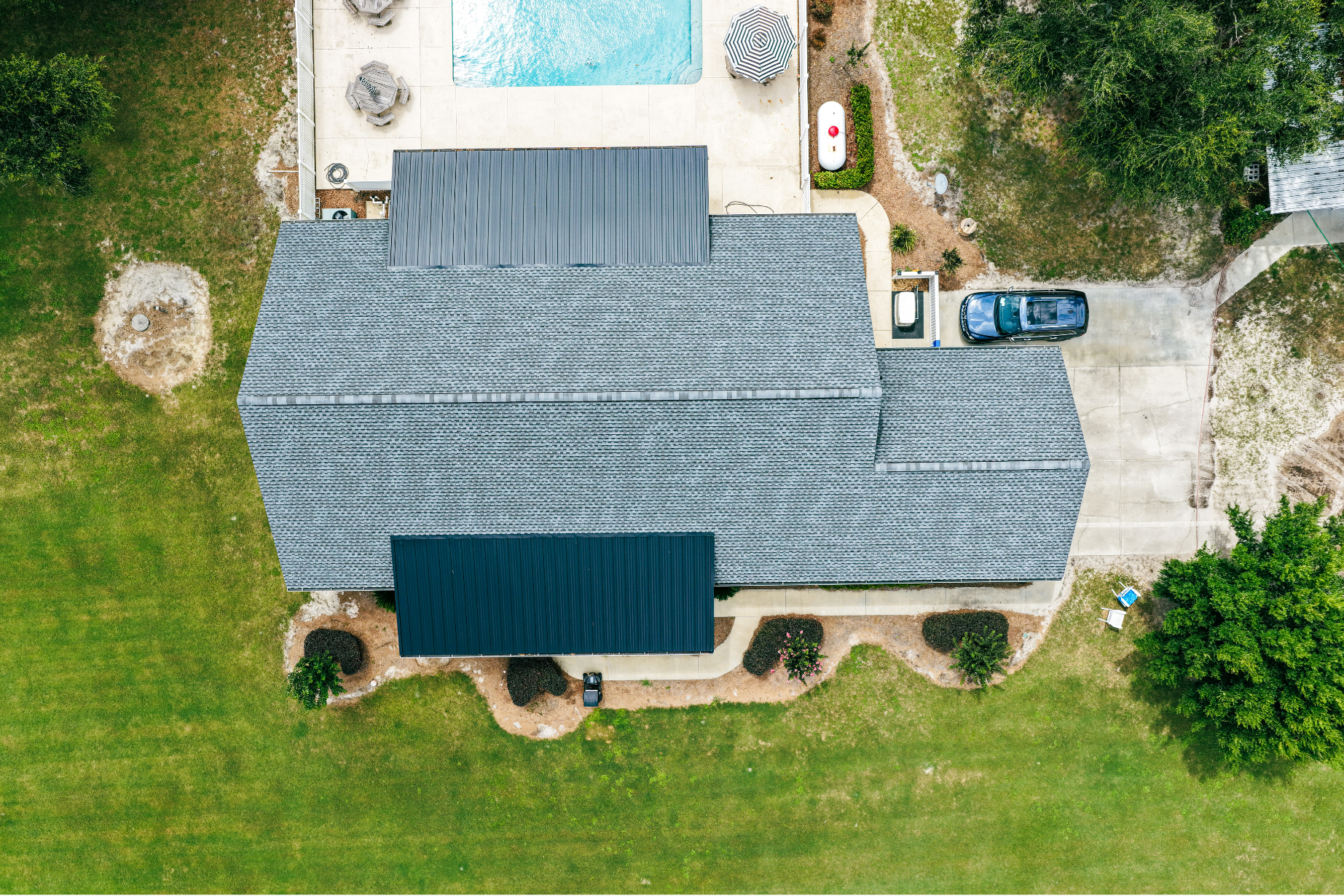
Learn whether a metal roof or architectural shingles are the best choice for your Florida home in 2026. Compare costs, hurricane resistance, and lifespan.
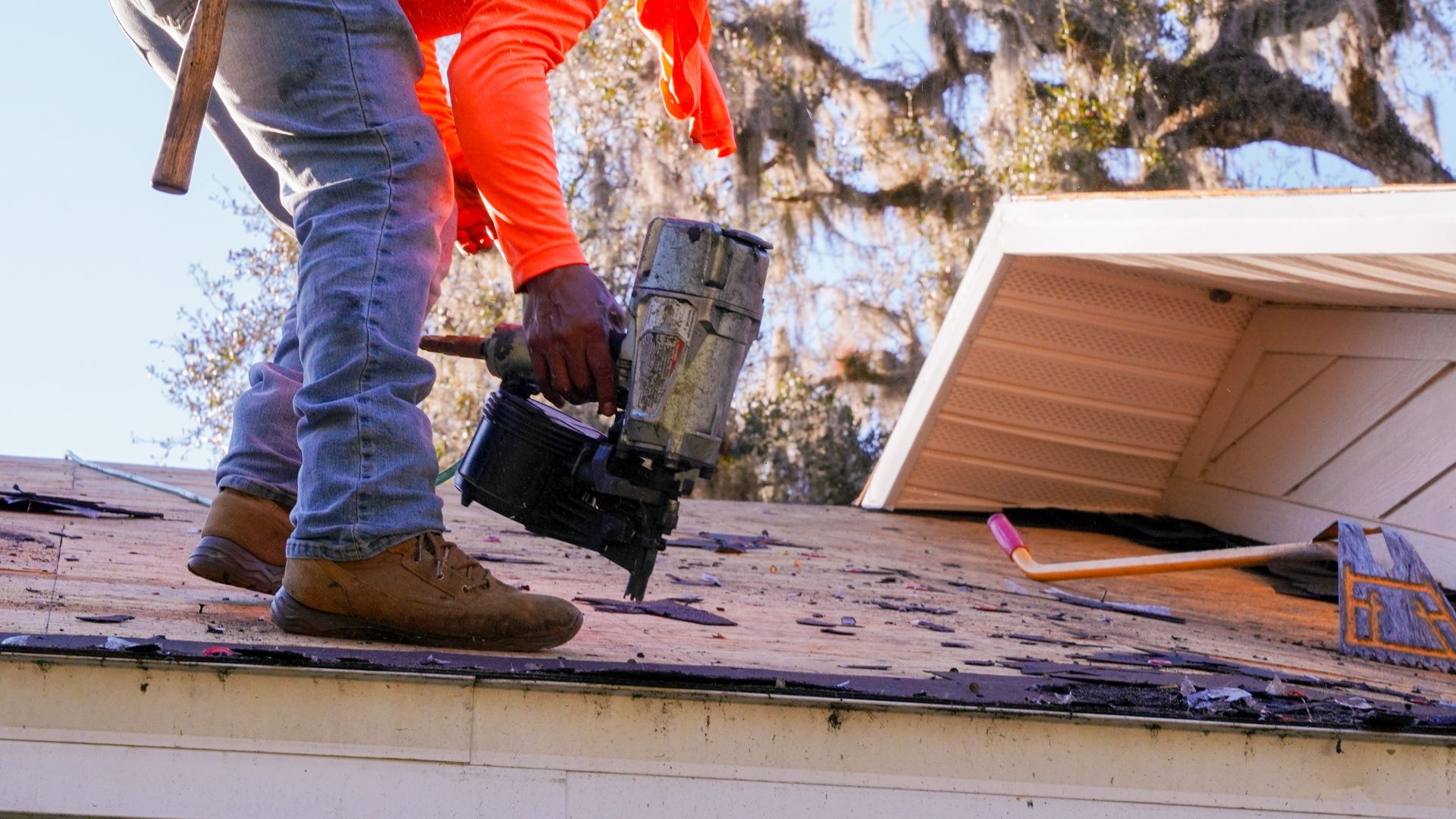
Learn what homeowners insurance covers for Florida roofing, what it excludes, and how property owners can successfully navigate an insurance inspection.
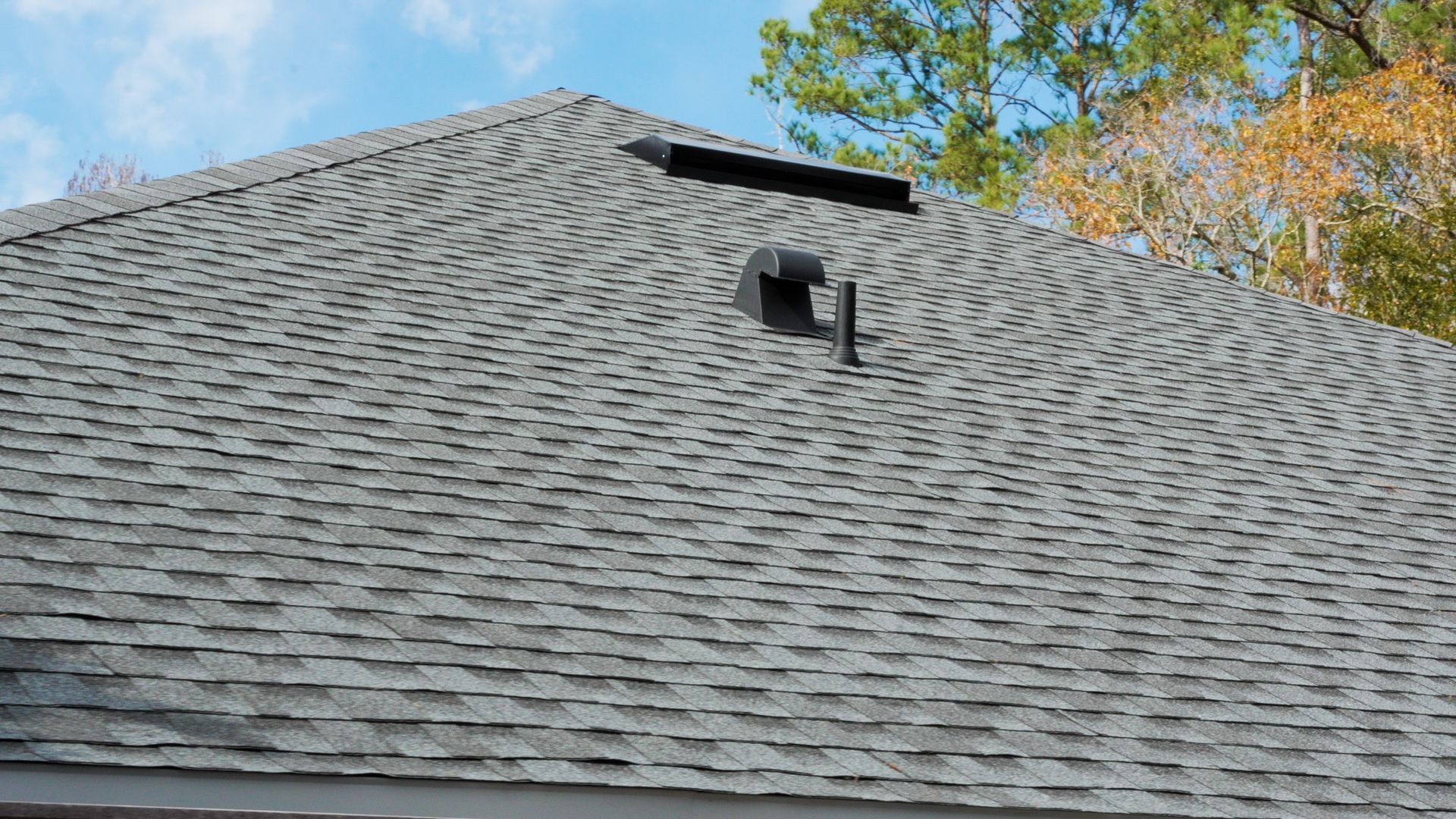
Learn how proper attic ventilation helps extend roof lifespan, reduce moisture buildup, and improve energy efficiency in Florida homes. Keeler Roofing Services explains the importance of balanced roof ventilation systems.
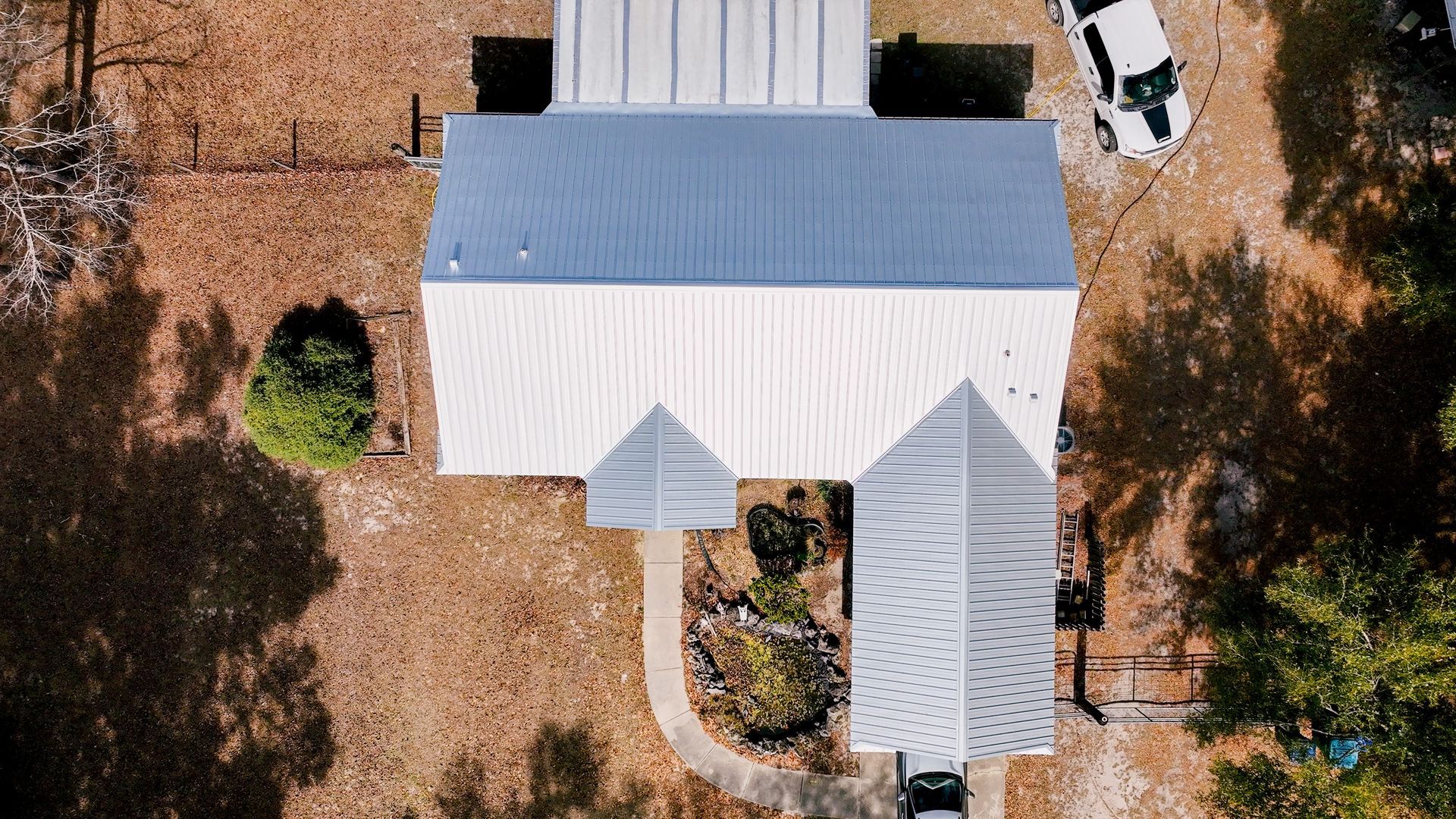
Learn how energy-efficient roofing options like reflective shingles, metal roofing, and tile roofs can lower cooling costs in Florida homes. Keeler Roofing Services explains the best roofing systems for long-term comfort and efficiency.
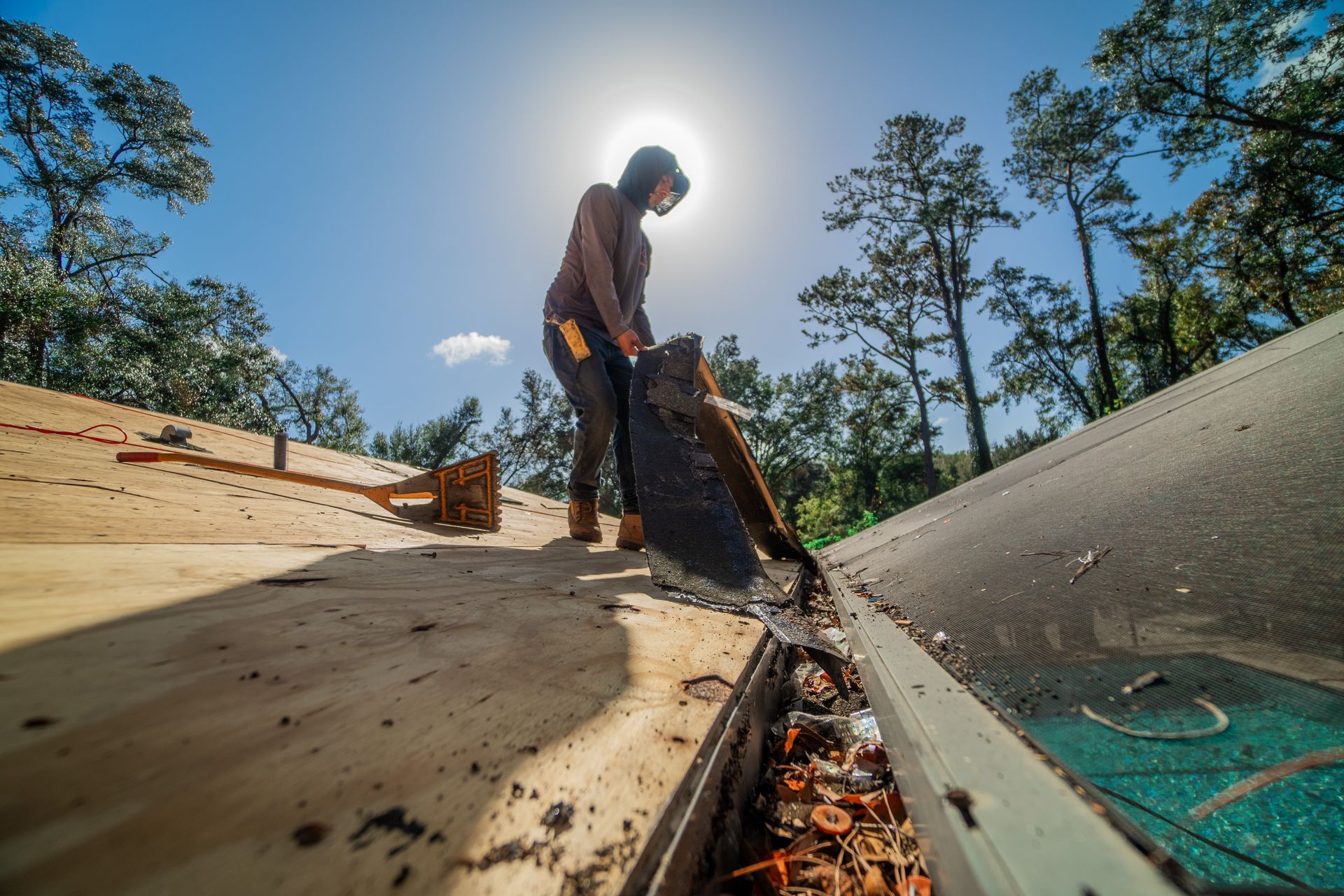
A residential home’s roof with asphalt shingles after a December 2024 storm. The shingles appear intact but some edges are lifted and granules have accumulated in gutters, illustrating potential storm damage.