
How Roofing Underlayment Works And Why It Matters
Quick answer:
Roofing underlayment is a water-resistant layer installed between your roof deck and the shingles or tiles above. It acts as a second line of defense against wind-driven rain and leaks. In Florida, the 2023 Florida Building Code requires a sealed or properly attached underlayment because it can dramatically reduce water intrusion when the primary roof covering fails during a storm.
Most homeowners think of a roof as the shingles or tiles they can see from the street. That visible layer matters, but it's not the part keeping water out of your living room during a summer downpour. The quiet hero of any roof system is the underlayment, which is the protective sheet hidden beneath the surface.
For homeowners and business owners across North Central Florida, underlayment is more than a technical detail. It's the difference between a roof that holds up through hurricane season and one that lets water seep into your attic, walls, and ceilings. Keeler Roofing, a GAF-certified, family-operated company serving Gainesville, Ocala, and the surrounding areas since 2014, has seen firsthand how the right underlayment choice protects properties when storms roll through.
Below, you'll learn what underlayment actually does, the main types available, what Florida's building code requires, and how to make a smart choice for your home or business.
What is roofing underlayment, and what does it do?
Roofing underlayment is a protective layer installed directly on top of the roof deck, meaning the wooden boards or plywood that form the structure of your roof. The shingles, tiles, or metal panels go on top of the underlayment.
Think of it as a backup system. Your primary roof covering takes the brunt of the weather, but no covering is perfect. Shingles can lift in high winds. Tiles can crack. Flashing can fail. When that happens, underlayment stops water from reaching the wood deck and the spaces below.
Underlayment serves three key purposes:
- Water resistance: It blocks rain that gets past the shingles, especially wind-driven rain that pushes sideways during storms.
- Deck protection: It shields the roof deck during installation, before the shingles go on, and acts as a temporary cover if shingles are torn off in a storm.
- A smoother finish: It helps create an even surface for the roof covering and can improve how the finished roof looks and performs.
In a hot, humid, hurricane-prone state like Florida, that backup layer earns its keep.
Why does underlayment matter so much in Florida?
Florida's climate is hard on roofs. Intense sun, heavy summer rains, and the constant threat of tropical storms and hurricanes all test a roof's ability to keep water out. When a hurricane strips shingles off a roof, the underlayment becomes the only thing standing between the storm and your home's interior.
Research by the Insurance Institute for Business & Home Safety (IBHS) shows that a sealed roof deck can significantly reduce water infiltration when the primary roof covering is lost. That's a major reason Florida has tightened its underlayment requirements over the years.
A failed roof covering with no reliable underlayment can lead to ruined insulation, mold growth, damaged drywall, and costly interior repairs. A sealed, properly installed underlayment can keep most of that water out, even after the shingles are gone. For homeowners in Gainesville and Ocala, that protection can mean the difference between a manageable repair and a gutted interior.
What does the Florida Building Code require for underlayment?
The 2023 Florida Building Code (Eighth Edition), now in effect, sets clear rules for roof underlayment. Chapter 15 governs roof assemblies, and it requires an approved underlayment to be applied over the entire roof deck for the applicable roof covering.
A few key points stand out:
- Sealed roof deck options: The code recognizes the value of a sealed roof deck. One widely used method covers the entire deck with a self-adhering polymer-modified bitumen underlayment that complies with the ASTM D1970 standard, commonly known as peel-and-stick. This creates a watertight barrier bonded directly to the deck.
- Synthetic underlayment is permitted: The code also allows synthetic underlayment that meets the required performance standards, giving contractors and homeowners more options than traditional felt alone.
- Stricter rules in High-Velocity Hurricane Zones: Areas like Miami-Dade and Broward counties follow even tougher HVHZ requirements, including specific attachment patterns. While North Central Florida sits outside the HVHZ, the broader code still emphasizes strong, sealed protection.
The 2023 code's updated language is more flexible in some respects, as it allows for all approved underlayment materials and any width of sheet, but the underlying goal stays the same: keep water out, especially during severe weather.
Because code requirements can vary by county and project, working with a contractor who knows the current Florida Building Code is essential. Keeler Roofing stays current on these standards so every installation meets or exceeds what the code demands.
What are the main types of roofing underlayment?
There are three broad categories of underlayment, each with its own strengths. Understanding the differences helps you have a more informed conversation about your roof.
Asphalt-saturated felt
Felt is the traditional choice, representing the classic "tar paper" many people picture. It's made from a base material saturated with asphalt and comes in two weights: 15-pound and 30-pound. Felt is affordable and has a long track record. The trade-offs are that it's heavier, can tear more easily, absorbs water if exposed too long, and offers a shorter window of protection before the roof covering must go on.
Synthetic underlayment
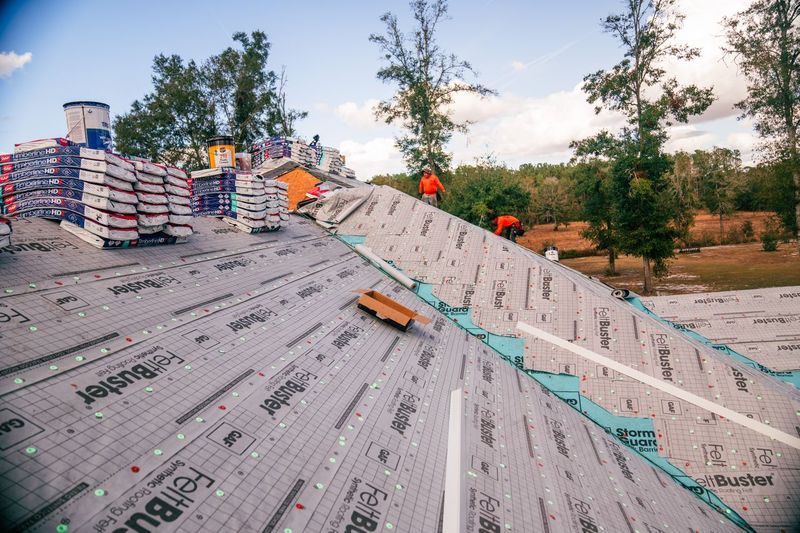
Synthetic underlayment is made from woven or spun polymers, making it lighter, stronger, and more tear-resistant than felt. It resists water better, holds up longer when exposed to the elements during installation, and is generally safer for crews to walk on. For most modern roofs in Florida, synthetic underlayment has become the preferred choice for its durability and performance.
Self-adhering membrane (peel-and-stick)
This is the premium option and the foundation of a true sealed roof deck. Self-adhering membranes, often called peel-and-stick or "ice and water" barriers, bond directly to the roof deck and seal around nails and fasteners. Products complying with ASTM D1970 are specifically called out in the Florida Building Code for sealed deck applications. Because they create a continuous waterproof layer, they offer the strongest defense against wind-driven rain.
Many high-performance roof systems combine these materials, using a self-adhering membrane in the most vulnerable areas (such as valleys, eaves, and around penetrations) and a synthetic underlayment across the broader field of the roof.
How do GAF underlayment products compare?
As a GAF-certified contractor, Keeler Roofing installs GAF's full line of roof deck protection and leak barrier products. Here's how the main options stack up.
Synthetic roof deck protection
- FeltBuster Synthetic Roofing Felt: A solid, cost-effective synthetic option that outperforms traditional felt in strength and tear resistance.
- Tiger Paw Premium Roof Deck Protection: A step up in strength and durability, designed to help protect against wind-driven rain. According to discussions among roofing professionals, moving from FeltBuster to Tiger Paw brings improvements in tear resistance and breathability.
- Deck-Armor Premium Roof Deck Protection:
GAF's top-tier breathable synthetic, offering the highest tear resistance and breathability in the lineup. Breathability allows moisture vapor to escape, which helps protect the roof deck over the long term.
In short, as you move from FeltBuster to Tiger Paw to Deck-Armor, you generally gain tear resistance and breathability with each step up.
Leak barriers (self-adhering)
- WeatherWatch Leak Barrier: A mineral-surfaced, self-adhering leak barrier designed to protect vulnerable areas like valleys, eaves, and around chimneys and vents.
- StormGuard Film-Surfaced Leak Barrier:
A premium leak barrier with a fiberglass-reinforced construction and longer UV exposure resistance, making it a more robust choice for demanding applications.
The right combination depends on your roof's design, your budget, and the level of protection you want. A GAF-certified contractor can recommend the system that fits your property and meets Florida code.
How long does roofing underlayment last?
The lifespan of underlayment depends on the material, the quality of installation, and the conditions it faces. Synthetic underlayment and self-adhering membranes generally last longer than traditional felt, often matching the service life of premium roof coverings.
That said, underlayment is meant to live under your roof covering, not on its own. It performs best when it's installed correctly, sealed where the code requires, and protected by a well-maintained roof above it. When you replace your roof, the underlayment is replaced too, so a re-roof is the ideal time to upgrade to a higher-performing product.
Choosing the right underlayment for your Florida property
Here's a simple way to think about the decision:
- Choose synthetic underlayment if you want a strong, durable, and cost-effective layer for most of your roof. It outperforms felt and suits the majority of Florida homes.
- Choose a self-adhering membrane (peel-and-stick) if maximum water protection matters most, especially for a sealed roof deck, vulnerable roof areas, or properties in storm-exposed locations.
- Combine both
for the best balance of performance and value: a self-adhering membrane in high-risk zones plus a quality synthetic across the rest of the roof.
Whatever you choose, installation quality is just as important as the product itself. Even the best underlayment can fail if it's not properly attached, lapped, and sealed according to the Florida Building Code.
Protect your home from the inside out
Underlayment may be invisible once your roof is finished, but its job is anything but minor. It's the layer that keeps water out when the weather turns severe, and in Florida, the weather turns severe often. Choosing the right underlayment, installed to code by a qualified contractor, is one of the smartest investments you can make in your property's long-term protection.
Keeler Roofing has helped homeowners and business owners across Gainesville, Ocala, and North Central Florida build roofs that stand up to the state's toughest conditions since 2014. As a GAF-certified, family-operated company, Keeler Roofing brings local knowledge and certified expertise to every project.
If you're planning a new roof or wondering whether your current underlayment is up to the task, reach out to the team at Keeler Roofing for a professional assessment.
Frequently asked questions about Florida roofing and insurance
Is roofing underlayment required by law in Florida?
Yes. The 2023 Florida Building Code requires an approved underlayment over the entire roof deck for the applicable roof covering. Chapter 15 sets the standards, and certain areas, such as High-Velocity Hurricane Zones, follow even stricter requirements.
What's the difference between felt and synthetic underlayment?
Felt is the traditional asphalt-saturated "tar paper," which is affordable but heavier, weaker, and more prone to tearing and water absorption. Synthetic underlayment is made from polymers, making it lighter, stronger, more tear-resistant, and better at shedding water. Most modern Florida roofs use synthetic for its durability.
What is a sealed roof deck?
A sealed roof deck is created by covering the entire deck with a self-adhering, waterproof underlayment, typically a peel-and-stick membrane complying with ASTM D1970. It bonds to the deck and seals around fasteners, providing strong protection against water intrusion if the roof covering is lost in a storm. Research from IBHS shows it can significantly reduce water infiltration.
Which GAF underlayment is best?
It depends on your needs. Among GAF's synthetic products, Deck-Armor offers the highest tear resistance and breathability, Tiger Paw sits in the middle, and FeltBuster is the value option. For leak barriers, StormGuard offers fiberglass reinforcement and longer UV resistance, while WeatherWatch is a strong, mineral-surfaced choice. A GAF-certified contractor can recommend the right combination for your property.
Can underlayment be replaced without replacing the whole roof
Underlayment sits beneath your roof covering, so accessing it usually requires removing the shingles or tiles above. For that reason, underlayment is almost always replaced as part of a full re-roof, which is the ideal time to upgrade to a higher-performing product.
Related Posts