

Roof Replacement Cost Breakdown for 2026
Jesse Sampley • March 17, 2026
Labor, Materials, Permits, and Hidden Fees
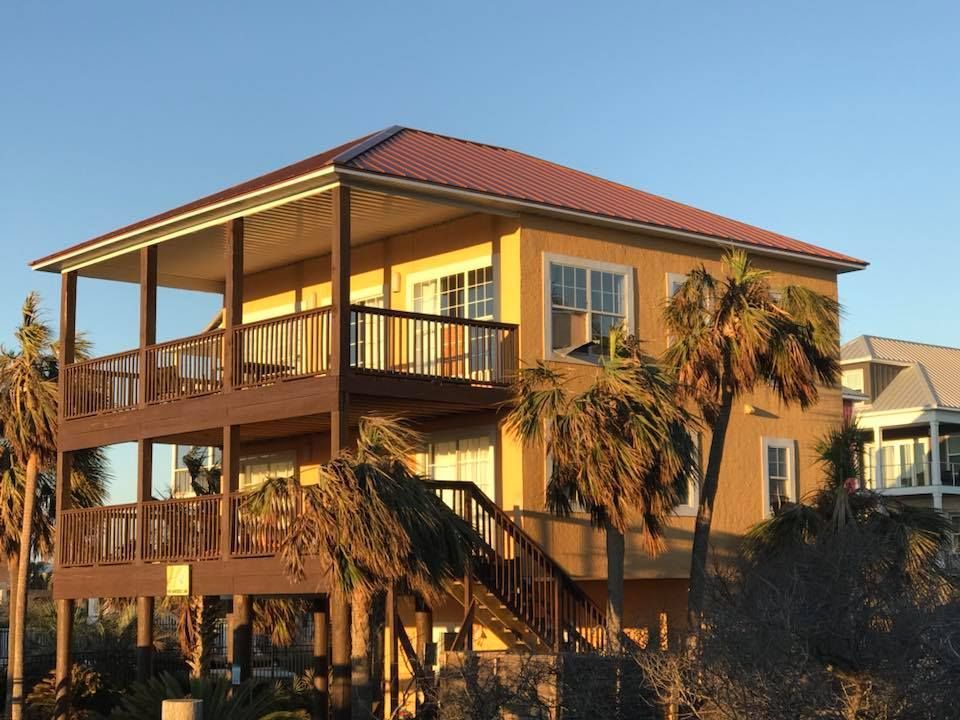
Replacing a roof is one of the largest investments a homeowner will make. In 2026, rising material prices, labor demand, and updated building codes continue to influence total project costs. Understanding where your money goes helps you budget accurately and avoid surprises.
Here is a clear breakdown of what typically makes up the total cost of a roof replacement.
Labor is often one of the largest portions of your roofing estimate because it requires skilled crews and physically demanding work. Roofing teams handle everything from tear-off and surface preparation to installation, flashing, and cleanup.
Final labor pricing depends on a number of factors, including:
- Roof size and pitch: larger or steeper roofs require more time, manpower, and safety measures
- Roof complexity: multiple valleys, dormers, chimneys, or skylights increase labor due to detailed installation work.
- Local labor demand in 2026: areas with frequent storm damage or strong construction markets may see higher labor rates.
- Removal of existing layers: multiple roofing layers add tear off time and disposal costs.
High-quality labor may cost more upfront, but it reduces the risk of installation errors that lead to future repairs.
Material Costs
Material selection plays a major role in overall roofing cost because it affects both upfront pricing and long-term performance. In 2026, material costs can vary widely based on the type of roofing system, manufacturer, and component quality used across the project.
Common material categories include:
- Architectural asphalt shingles: the most popular and cost-effective option for many homeowners.
- Metal roofing systems: known for durability and energy efficiency but with a higher upfront investment.
- Synthetic or composite materials: designed to mimic premium looks while balancing performance and price.
- Supporting components: underlayment, flashing, drip edge, and ventilation are essential to the system and often overlooked in budget planning.
Material quality directly impacts longevity. Higher-grade materials may increase upfront cost but can reduce repair and replacement expenses over time
Permits and Inspections
Permits are a required part of most roof replacements in 2026 and help ensure the project meets current building codes and local regulations. Requirements can vary by municipality, especially in storm-prone areas where stricter standards may apply.
Permit-related costs may include:
- Local building permit fees, which are typically based on project value, square footage, or roof size.
- Required inspections that ake place before, during, or after installation to confirm code compliance.
- Additional documentation or engineering requirements in high wind zones.
While permit fees are usually a smaller portion of the total cost, they are essential for compliance and future home resale value.
Tear Off and Disposal Fees
Removing the existing roof is not always included in basic material pricing. Disposal costs vary based on roof size, material type, and the number of layers that need to be removed.
Homeowners may see charges for:
- Dumpster rental and hauling fees.
- Landfill or disposal site costs.
- Additional labor for complex tear-offs, such as heavy tile, or multiple shingle layers.
Proper disposal ensures your project meets local environmental regulations.
Hidden Fees to Watch For
Some roofing costs are not immediately obvious in an initial estimate and can only be confirmed once work begins. Asking the right questions about charges ahead of time can help prevent unexpected costs as the project moves forward.
Potential hidden costs include:
- Replacement of damaged decking discovered after the old roof is removed.
- Ventilation upgrades required to meet current code standards.
- Flashing replacement around chimneys, skylights, or other roof penetrations.
- Structural repairs if rot or water damage is uncovered.
- Emergency tarping or temporary protection if weather delays occur.
A detailed written estimate should outline how these situations are handled and whether pricing is fixed or variable.
How to Budget Smartly in 2026
The best way to manage roof replacement costs is through preparation, transparency, and a clear understanding of how roofing estimates are structured.
Homeowners should:
- Request detailed written estimates that separate labor, materials, and additional fees.
- Ask about warranty coverage for both materials and workmanship.
- Confirm whether permits and disposal are included in the quoted price.
- Plan for a contingency budget in case hidden damage is discovered.
Understanding the full cost breakdown allows you to make informed decisions rather than focusing only on the lowest bid.
Final Thoughts
Roof replacement costs in 2026 depend on a number of factors, including labor, materials, permits, tear-off, disposal, and hidden issues that can affect the final price. While the investment can be significant, working with experienced professionals and using quality materials helps ensure your home is protected for decades.
When you understand where every dollar goes, you can plan accurately and avoid unnecessary surprises.
Related Posts

Not sure if your roof needs a repair or a full replacement? Keeler Roofing explains the key differences, warning signs, and how to make the right decision for your Florida property.
A lifetime roofing warranty doesn’t mean full coverage forever. Learn what’s included, what voids coverage, and what to look for from Keeler Roofing in Florida.
Poor attic ventilation shortens your roof's lifespan. Learn how proper airflow protects Florida roofs from heat, moisture, and early failure, brought to you by Keeler Roofing.
See real Florida ROI data on roof replacement, insurance savings, and grants. Expert insight from Keeler Roofing in Gainesville & Ocala.
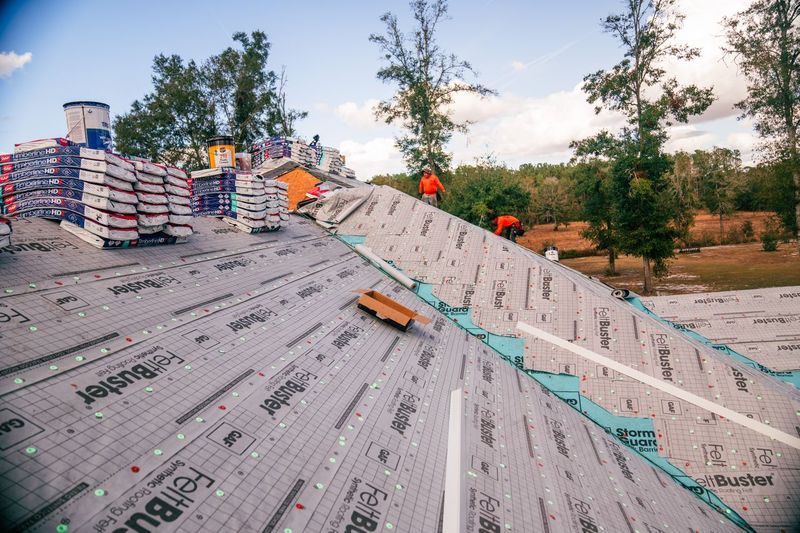
Learn how roofing underlayment protects your home, what Florida code requires, and how GAF products compare. Expert insight from Keeler Roofing.
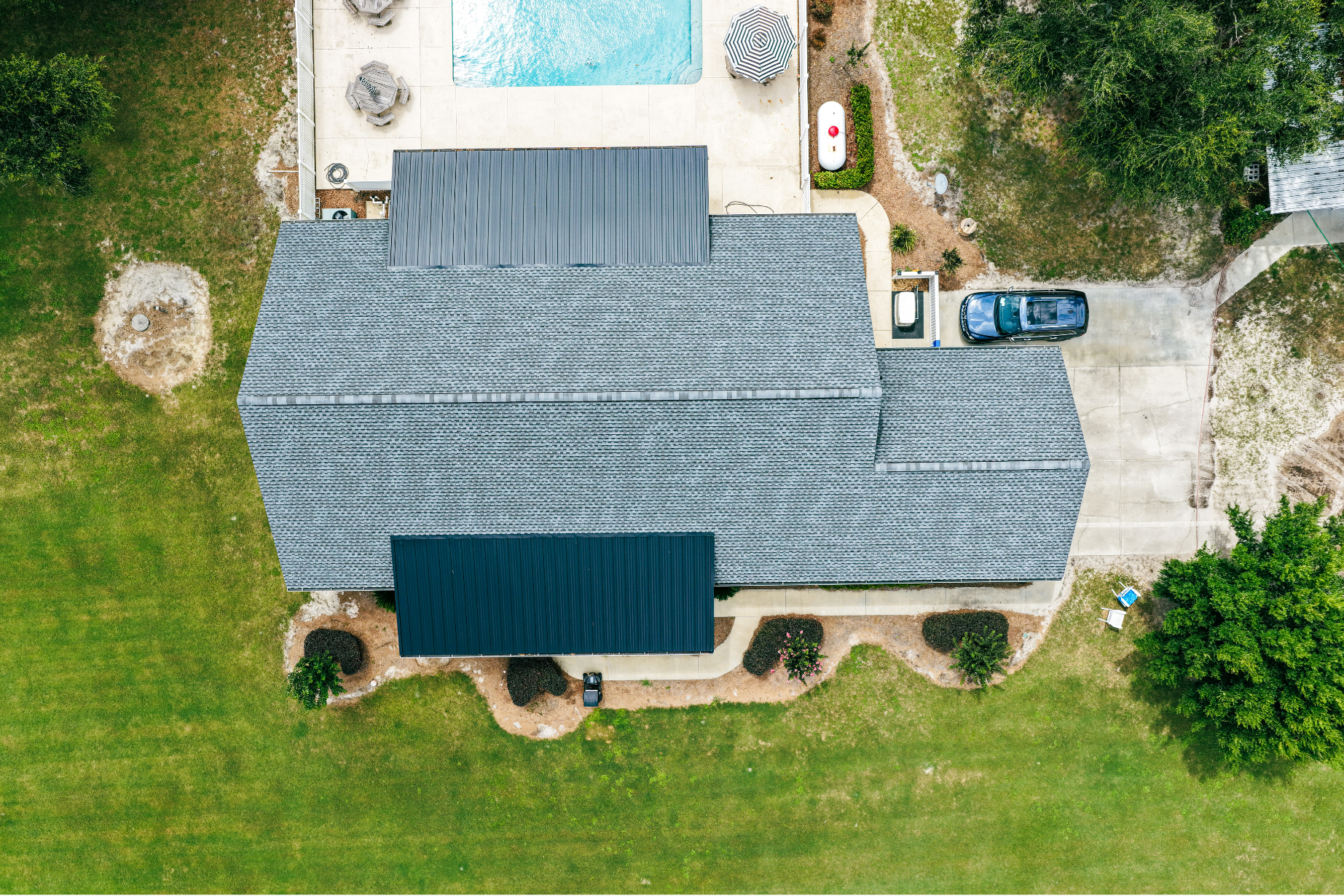
Learn whether a metal roof or architectural shingles are the best choice for your Florida home in 2026. Compare costs, hurricane resistance, and lifespan.
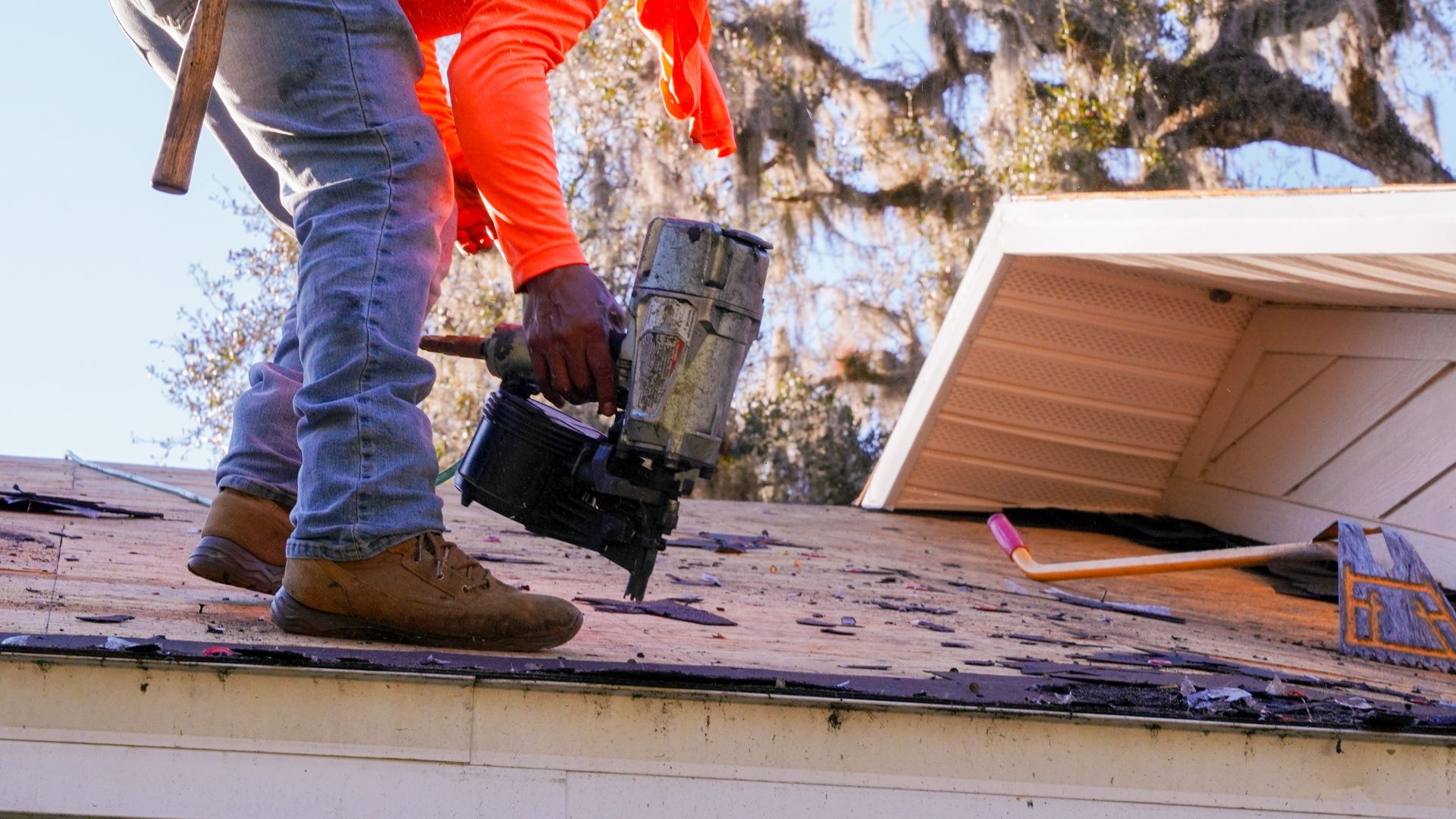
Learn what homeowners insurance covers for Florida roofing, what it excludes, and how property owners can successfully navigate an insurance inspection.
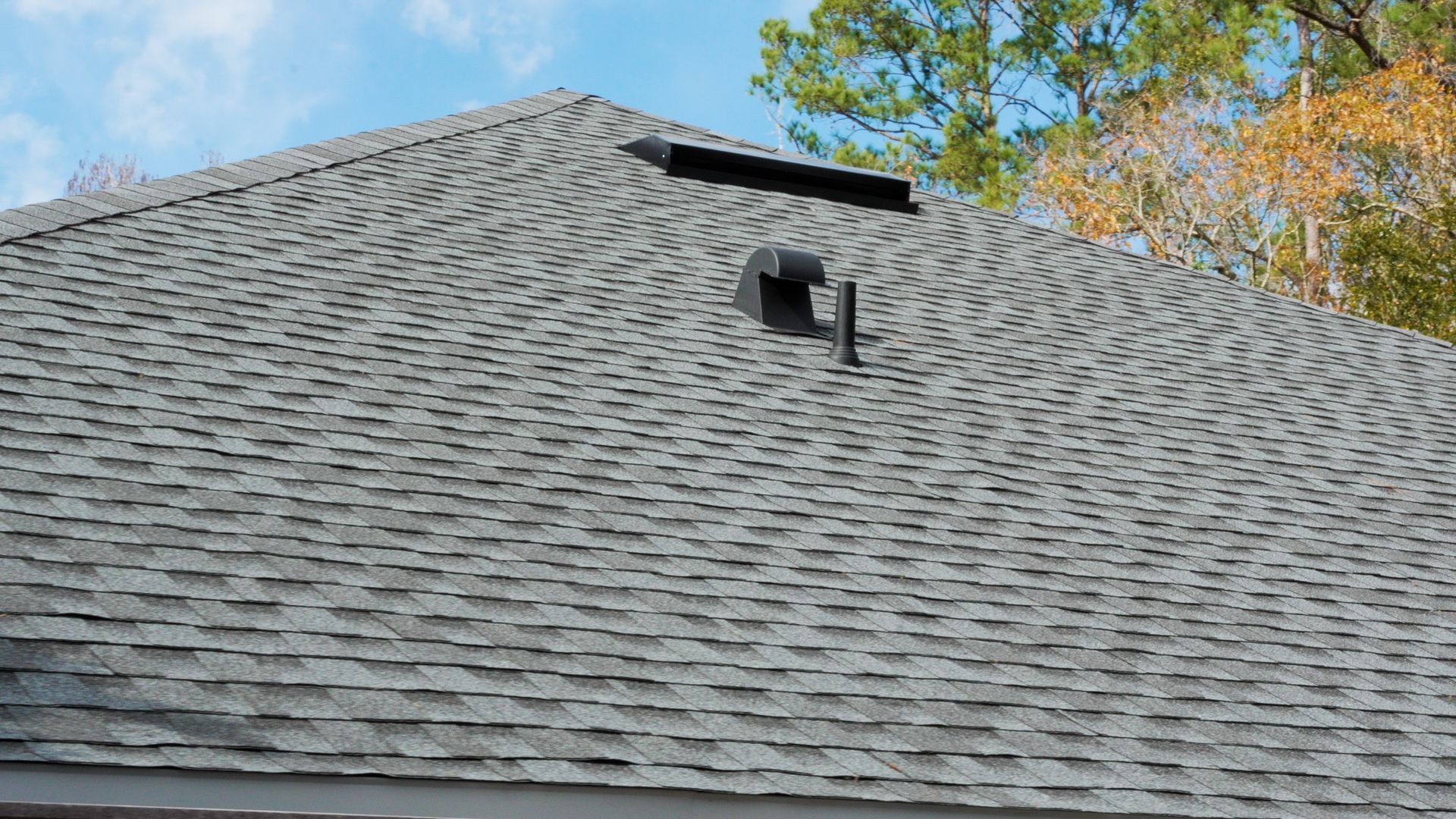
Learn how proper attic ventilation helps extend roof lifespan, reduce moisture buildup, and improve energy efficiency in Florida homes. Keeler Roofing Services explains the importance of balanced roof ventilation systems.
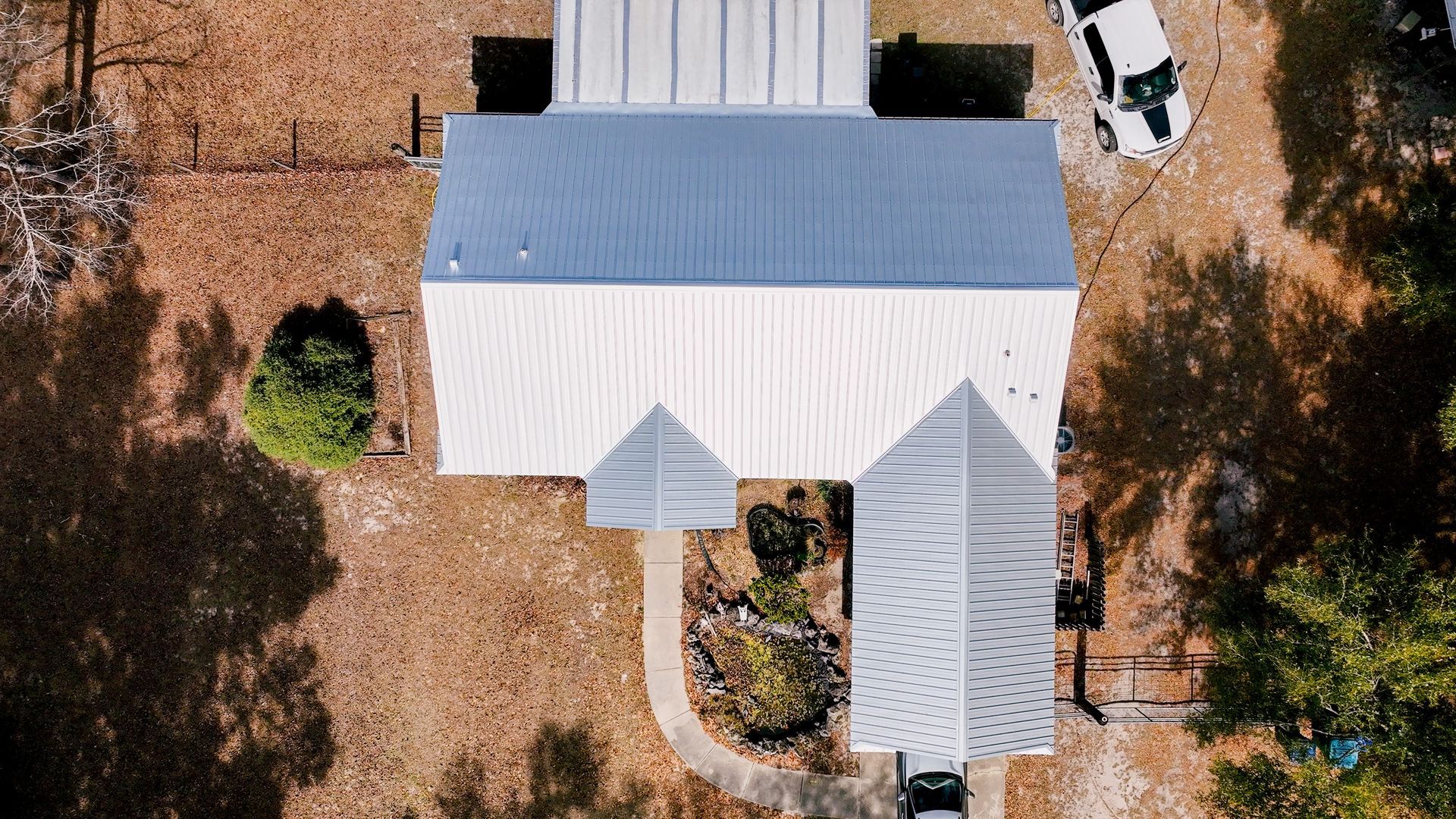
Learn how energy-efficient roofing options like reflective shingles, metal roofing, and tile roofs can lower cooling costs in Florida homes. Keeler Roofing Services explains the best roofing systems for long-term comfort and efficiency.
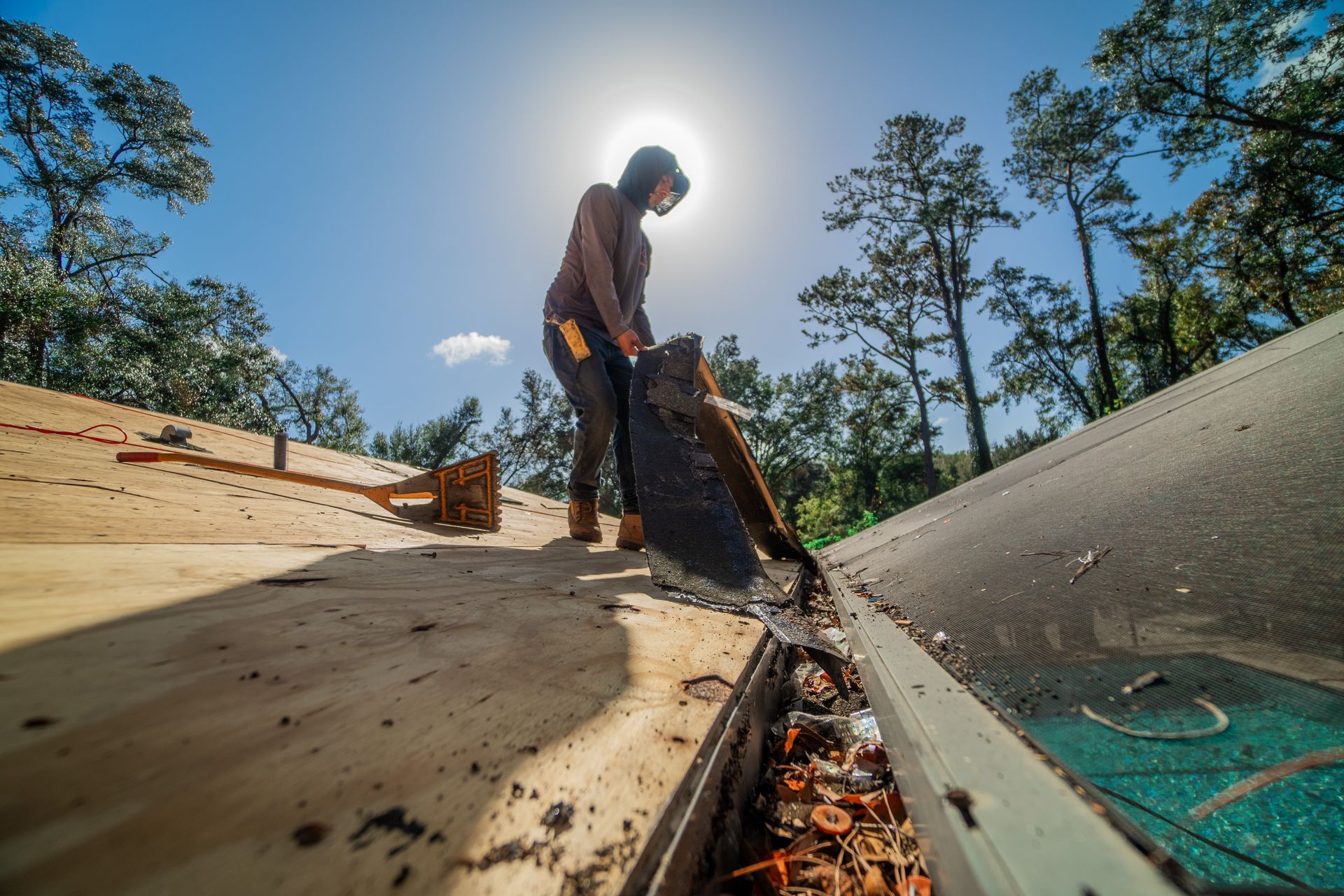
A residential home’s roof with asphalt shingles after a December 2024 storm. The shingles appear intact but some edges are lifted and granules have accumulated in gutters, illustrating potential storm damage.