
Homeowners Insurance & Roofing
Candle Sampley • February 6, 2026
What’s Covered, What’s Not, and How to Navigate an Inspection
Why Roofing Insurance Confusion Costs Homeowners Money
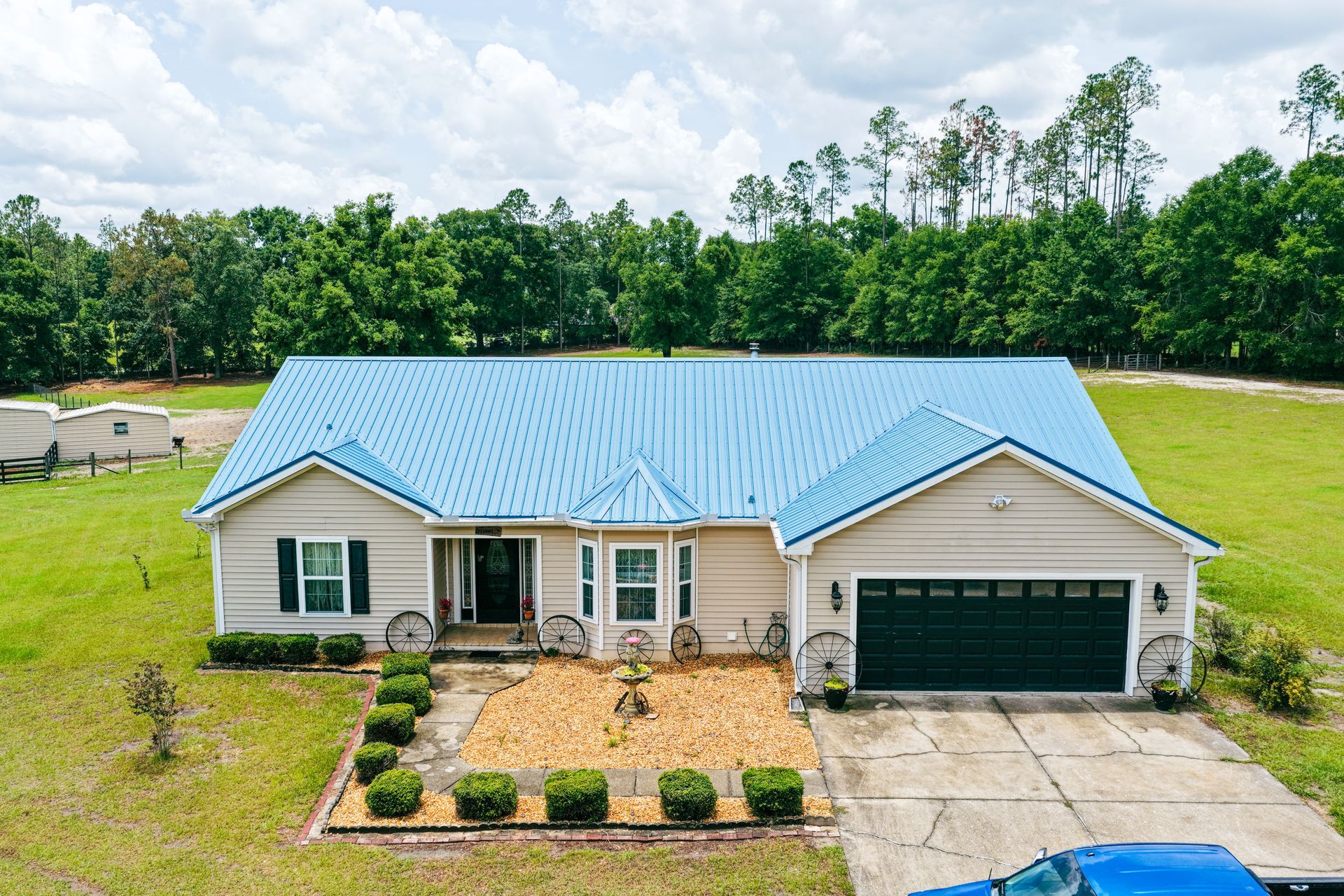
If you’re a homeowner, chances are you assume your insurance policy has your roof covered. Unfortunately, that assumption is one of the most common and expensive mistakes homeowners make.
Insurance companies are strict, inspections are detailed, and one small misunderstanding can mean paying thousands of dollars out of pocket. Knowing what’s covered, what’s not, and how to prepare for an inspection can be the difference between an approved claim and a denied one.
What Homeowners Insurance Typically Covers for Roofing
Most homeowners' insurance policies are designed to protect you from sudden, unexpected damage. Roofing claims are usually approved when events outside your control cause the damage.
Here are the most common situations that are typically covered:
Storm and Weather Damage
Most homeowners' insurance policies are designed to respond when roof damage is caused by sudden, severe weather events rather than gradual deterioration. When storms impact your area, insurers look for clear evidence that the damage occurred as a direct result of wind, hail, or flying debris. Understanding how weather-related claims are evaluated helps homeowners recognize when coverage is likely to apply and when it may not.
Homeowners should watch for the following signs:
- Wind damage that lifts or removes shingles is often covered if it occurred during a documented storm.
- Hail damage that bruises or cracks shingles may qualify, even if leaks are not immediately visible.
- Damage from falling tree limbs or flying debris during storms is commonly included.
The key factor is that the damage must be sudden and accidental, not gradual.
Fire and External Accidents
Homeowners' insurance does not only apply to storm-related damage. Many policies also provide coverage for sudden, external events that cause unexpected harm to the roof. These incidents are typically covered when the damage is accidental and outside the homeowner’s control, rather than the result of wear or neglect.
Covered sudden incidents may include:
- Fire damage to roofing materials is almost always included.
- Impact damage from falling objects, such as branches or debris, is often covered.
- Damage caused by vandalism may qualify under some policies.
Every policy is different, so coverage always depends on your specific terms.
What Homeowners Insurance Does Not Cover
This is where many homeowners get caught off guard. Many people assume their policy will cover any roof issue, but that’s not how coverage works. Homeowners insurance is designed for sudden, accidental damage, not everyday wear or long-term neglect.
Before you end up dealing with an unexpected out-of-pocket expense, it helps to understand what typically falls outside of coverage. Here are some of the most common things homeowners' insurance doesn’t pay for:
Wear and Tear or Aging Roofs
Insurance policies are written with the expectation that homeowners are keeping their roofs properly maintained, which is why issues like the following are usually not covered:
- Damage caused by old age, worn shingles, or long-term deterioration is not covered.
- Leaks caused by neglected repairs are typically denied.
- A roof near the end of its lifespan is more likely to face claim rejection.
If your roof is already in poor condition, insurance may refuse coverage even after a storm.
Improper Installation or Past Repairs
Insurance policies are designed to cover sudden, accidental damage—not issues that result from mistakes or previous work. Problems caused by poor installation or prior repairs are usually the homeowner’s responsibility, which is why documenting your roof’s condition and using licensed professionals matters so much.
- Improperly installed roofing materials are not covered.
- Damage resulting from unlicensed or incorrect repairs may be denied.
- Pre-existing damage documented in prior inspections is usually excluded.
This is why professional inspections and documentation matter.
How Roof Inspections Affect Insurance Claims
An inspection can either protect you or hurt you, depending on how prepared you are. Insurance adjusters look for clear evidence that damage is recent, storm-related, and not caused by neglect.
What Inspectors Look For
During an inspection, adjusters typically focus on:
- The age of the roof and remaining lifespan.
- Visible signs of storm impact, such as lifted shingles or hail marks.
- Previous repairs, patchwork, or mismatched materials.
- Signs of long-term moisture damage or rot.
If damage appears old or preventable, claims are often denied.
Why a Pre-Inspection Helps
Getting a professional roofing inspection before filing a claim gives you leverage. Instead of guessing, you have documented evidence and a clear understanding of your roof’s condition, which puts you in a stronger position when deciding how to move forward.
A pre-inspection can:
- Identify legitimate storm damage.
- Document findings with photos and reports.
- Help you understand whether filing a claim makes sense.
This step prevents unnecessary claim denials that can stay on your insurance record.
How to Navigate the Insurance Process with Confidence
Filing a roofing claim can be overwhelming, but it doesn’t have to be. With the right preparation and guidance, the process becomes much easier to manage. Here are the key steps to take before and during the claims process:
Step 1: Get a Professional Roof Inspection
Before calling your insurance company, schedule a professional inspection.
A reputable roofing contractor can tell you:
- Whether the damage is insurance-eligible.
- How extensive the repairs or replacement may be.
- What documentation will you need for your claim.
This protects you from filing weak or unnecessary claims.
Step 2: Understand Your Deductible and Coverage
Many homeowners are surprised by their deductibles.
- Some policies use percentage based deductibles for wind or hail damage.
- Coverage may be actual cash value instead of full replacement cost.
- Knowing these details helps you decide if filing a claim is worth it.
A quick policy review can save you frustration later.
Step 3: Work with a Roofing Contractor Who Understands Insurance
Not all roofing companies are experienced with insurance claims.
An insurance savvy contractor can:
- Meet with the adjuster during inspections.
- Ensure all damage is properly documented.
- Advocate for accurate repair or replacement estimates.
This often leads to better outcomes and fewer delays.
Real World Insight from Florida Homeowners
Many Florida homeowners don’t realize how quickly roof coverage rules can change.
Homeowners who schedule regular inspections are far more likely to have successful claims because their roofs are already documented as well maintained. Those who wait until leaks appear often discover that damage is considered pre existing or age related.
The difference usually comes down to timing and documentation.
Why Professional Roofing Inspections Matter More Than Ever
Insurance companies are tightening guidelines, especially in storm prone areas. That means homeowners must be proactive instead of reactive.
A professional inspection helps you:
- Catch issues early before they become uninsurable.
- Maintain documentation that supports future claims.
- Make informed decisions about repairs or replacement.
This is where working with an experienced local contractor makes all the difference.
Book a Roofing Inspection Before You Need a Claim
If you’re unsure about your roof’s condition or your insurance coverage, the smartest move is to get clarity now.
Keeler Roofing provides professional inspections designed to help homeowners understand their roof, prepare for insurance requirements, and avoid costly surprises.
Schedule your inspection today to protect your home before the next storm hits.
Related Posts
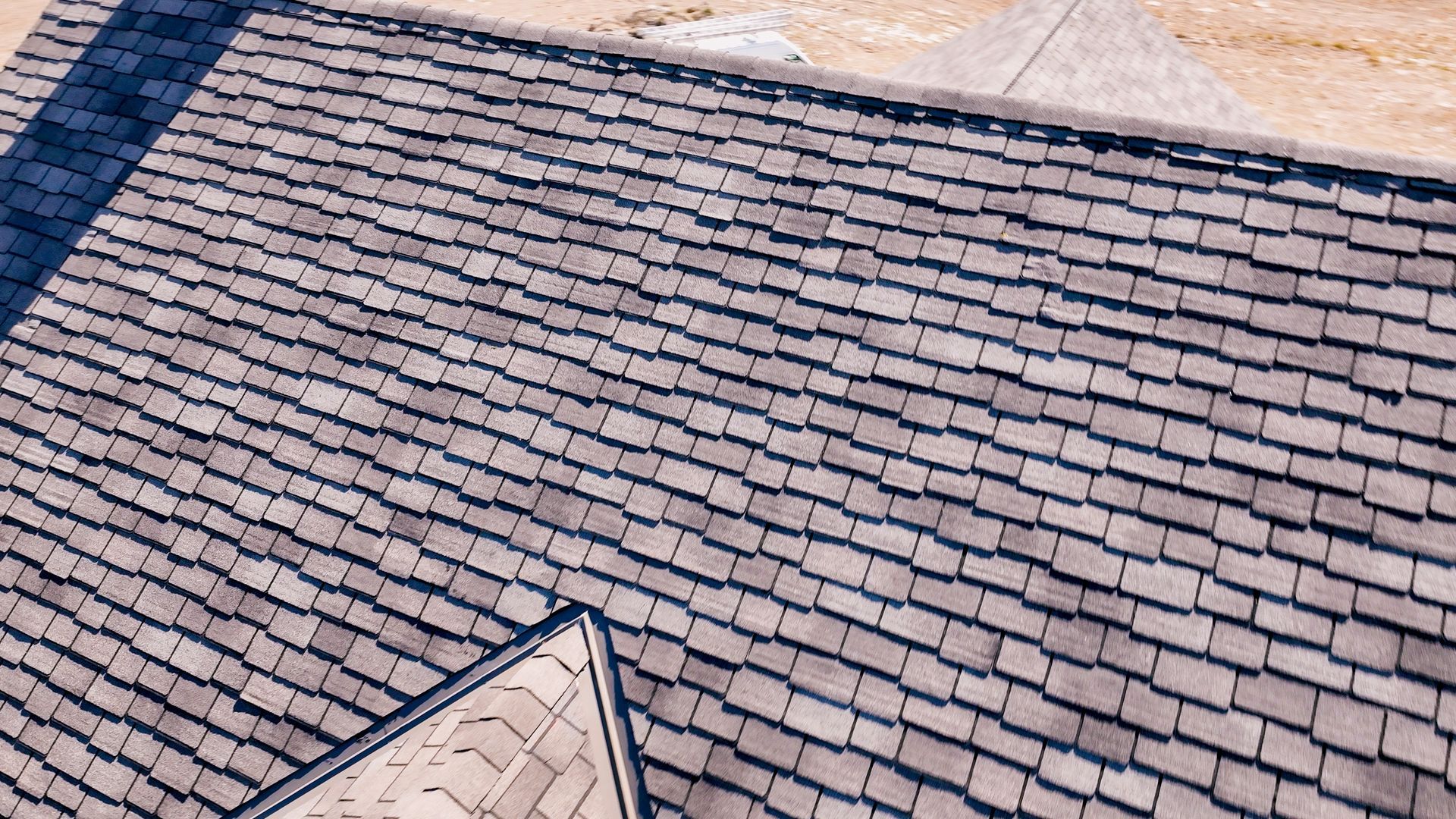
Spot hidden storm damage before it causes costly leaks. Keeler Roofing offers expert mid-season roof inspections across North Central Florida.
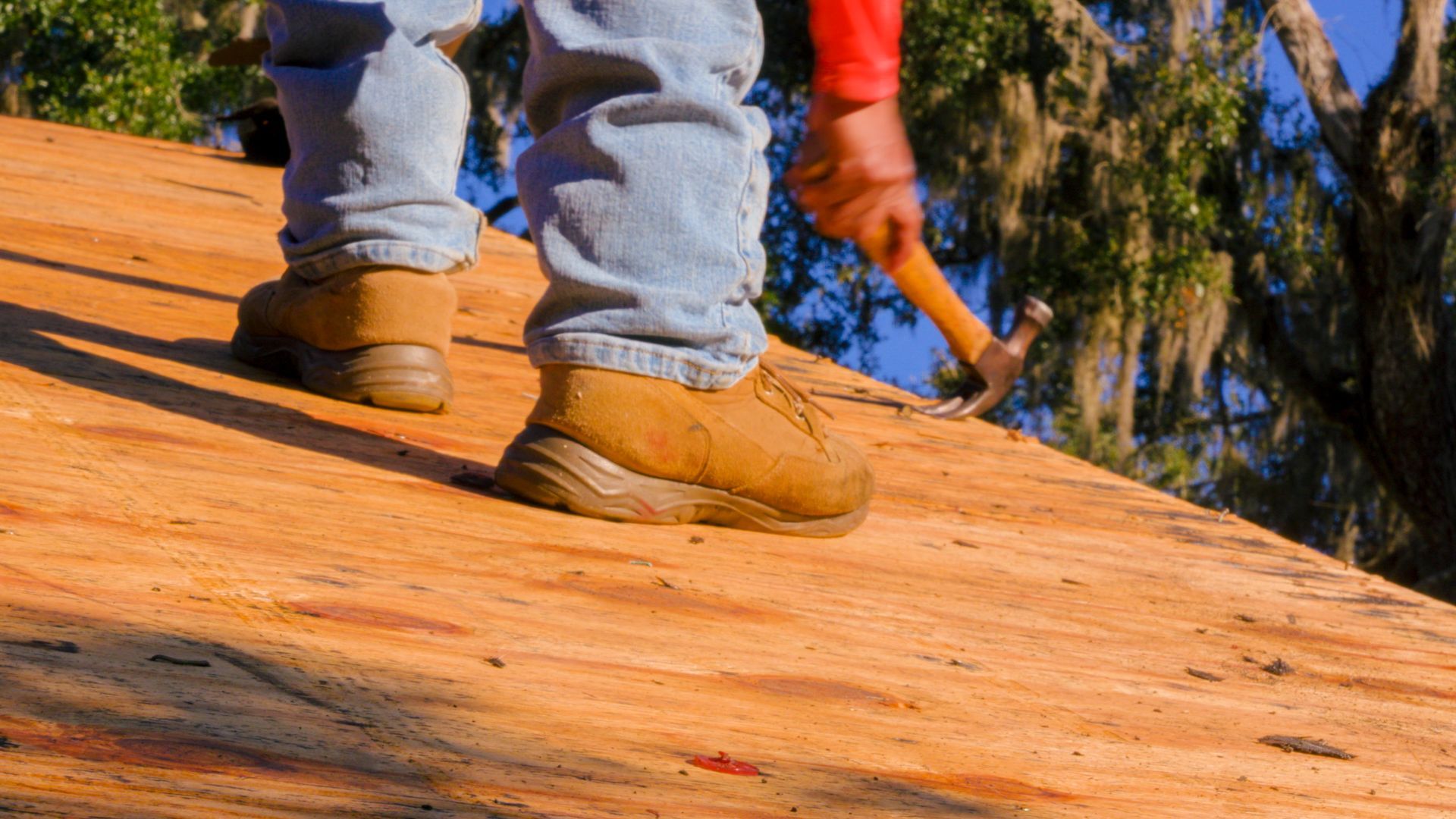
Learn how Florida’s heat, storms, and humidity affect roof decking. Keeler Roofing explains why assessing and repairing decking is critical before roof replacement.

Not sure if your roof needs a repair or a full replacement? Keeler Roofing explains the key differences, warning signs, and how to make the right decision for your Florida property.
A lifetime roofing warranty doesn’t mean full coverage forever. Learn what’s included, what voids coverage, and what to look for from Keeler Roofing in Florida.
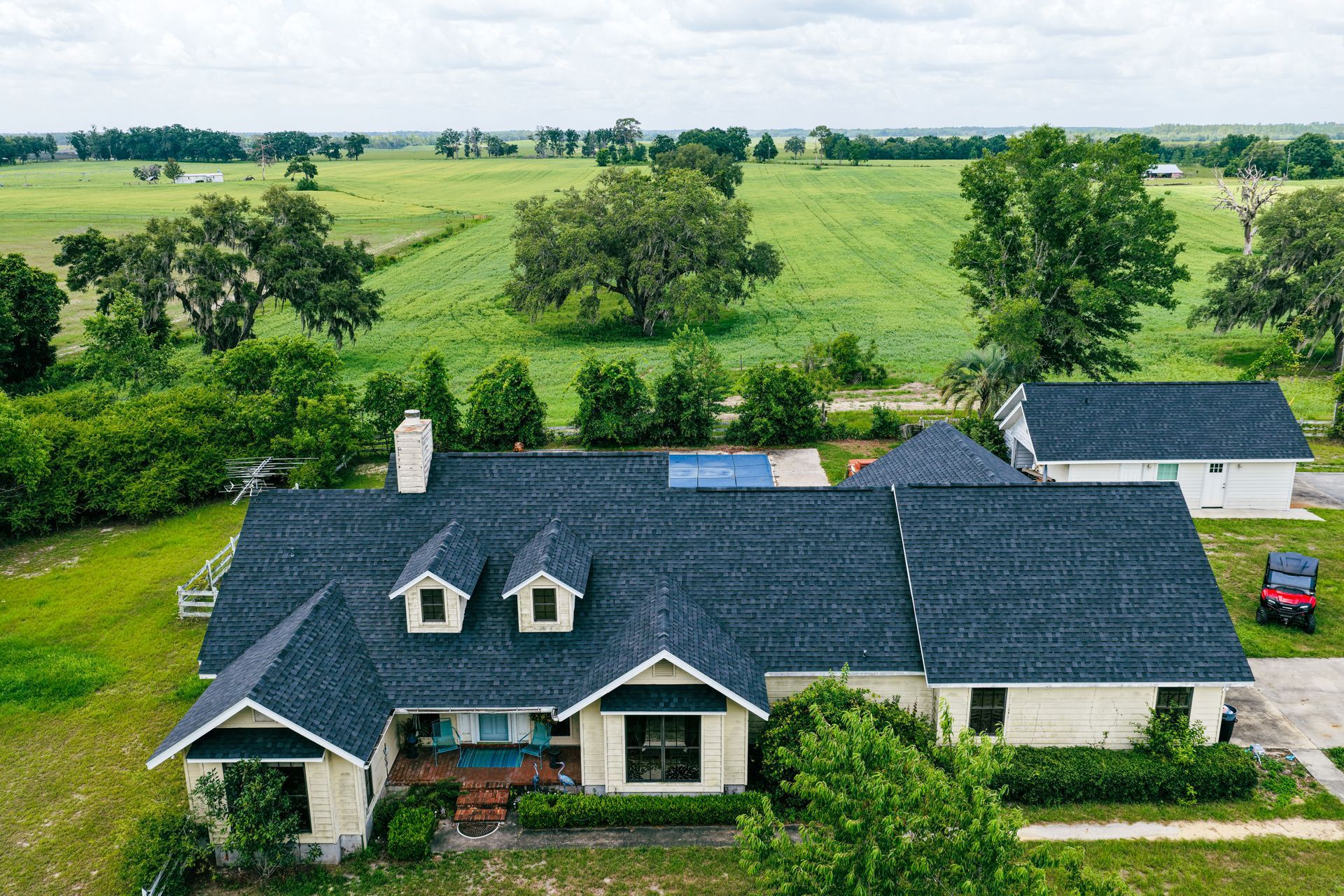
Poor attic ventilation shortens your roof's lifespan. Learn how proper airflow protects Florida roofs from heat, moisture, and early failure, brought to you by Keeler Roofing.
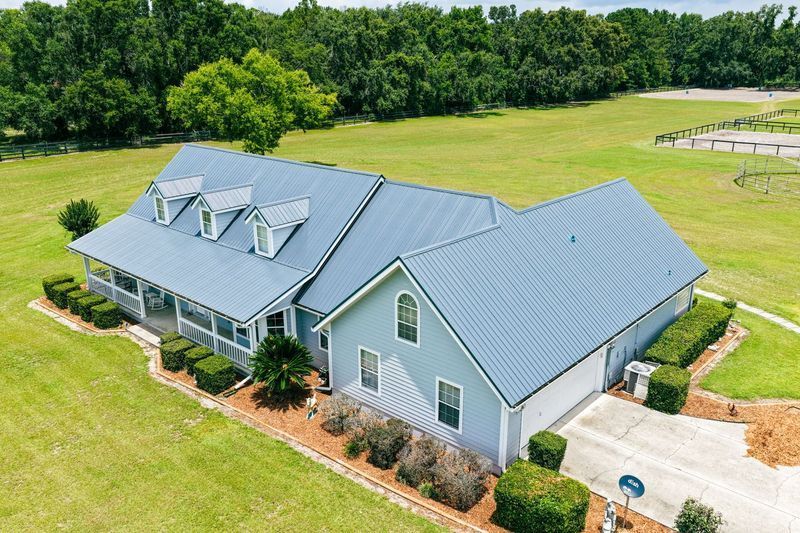
See real Florida ROI data on roof replacement, insurance savings, and grants. Expert insight from Keeler Roofing in Gainesville & Ocala.
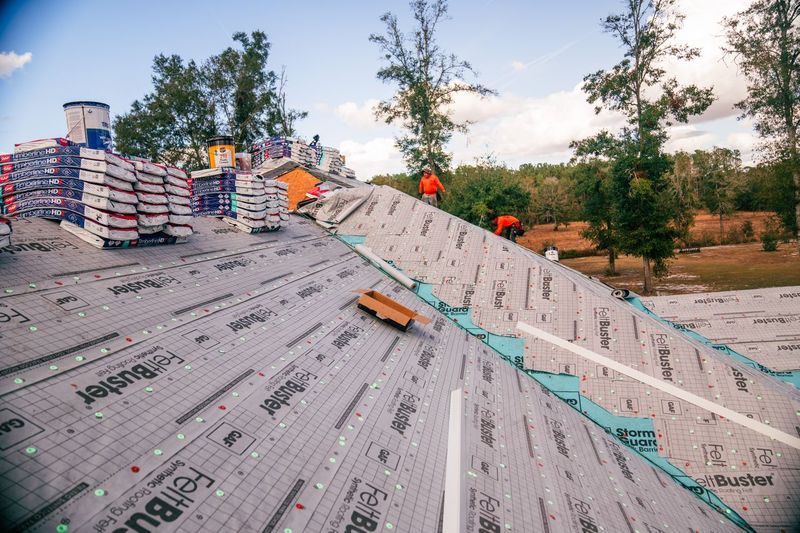
Learn how roofing underlayment protects your home, what Florida code requires, and how GAF products compare. Expert insight from Keeler Roofing.
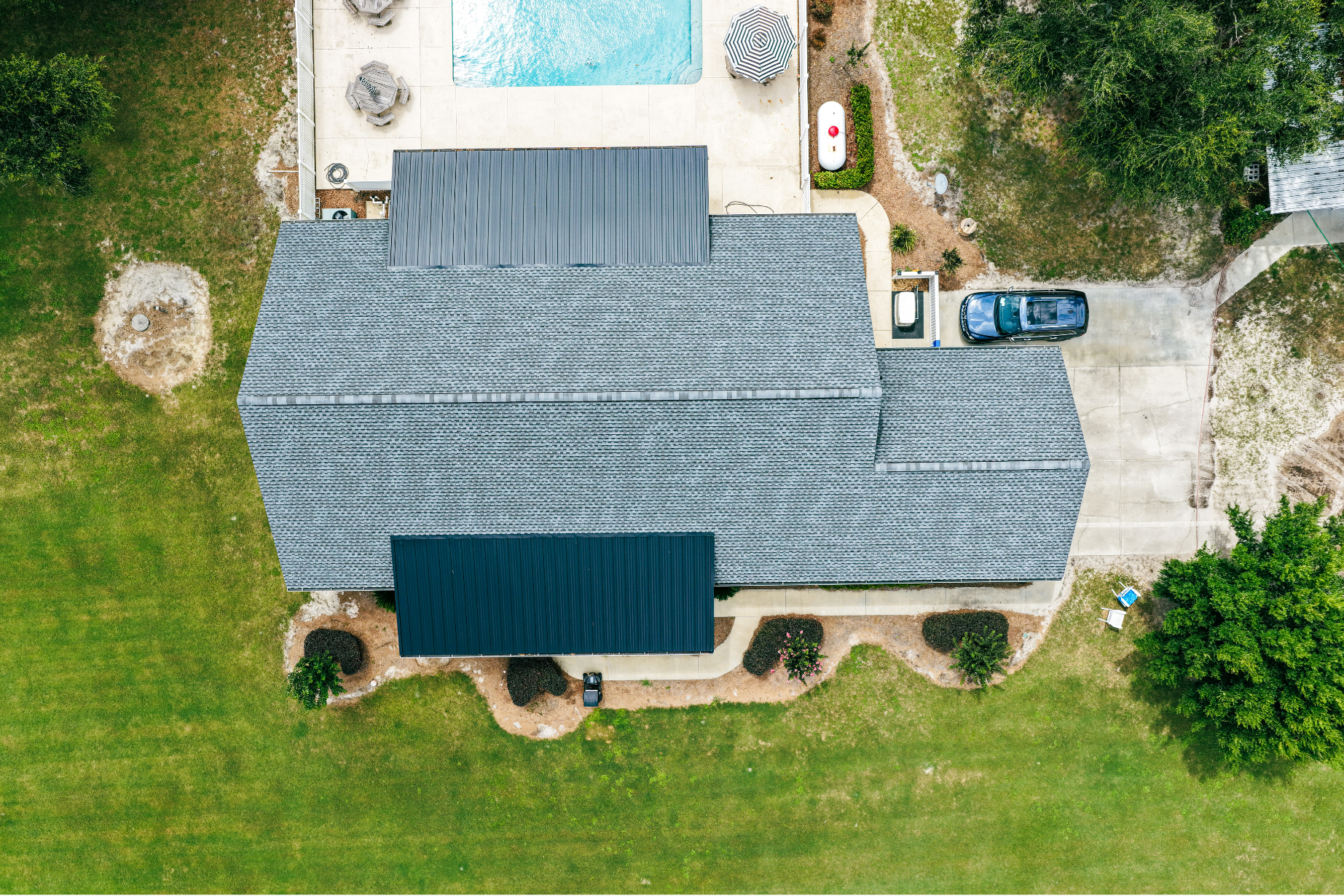
Learn whether a metal roof or architectural shingles are the best choice for your Florida home in 2026. Compare costs, hurricane resistance, and lifespan.
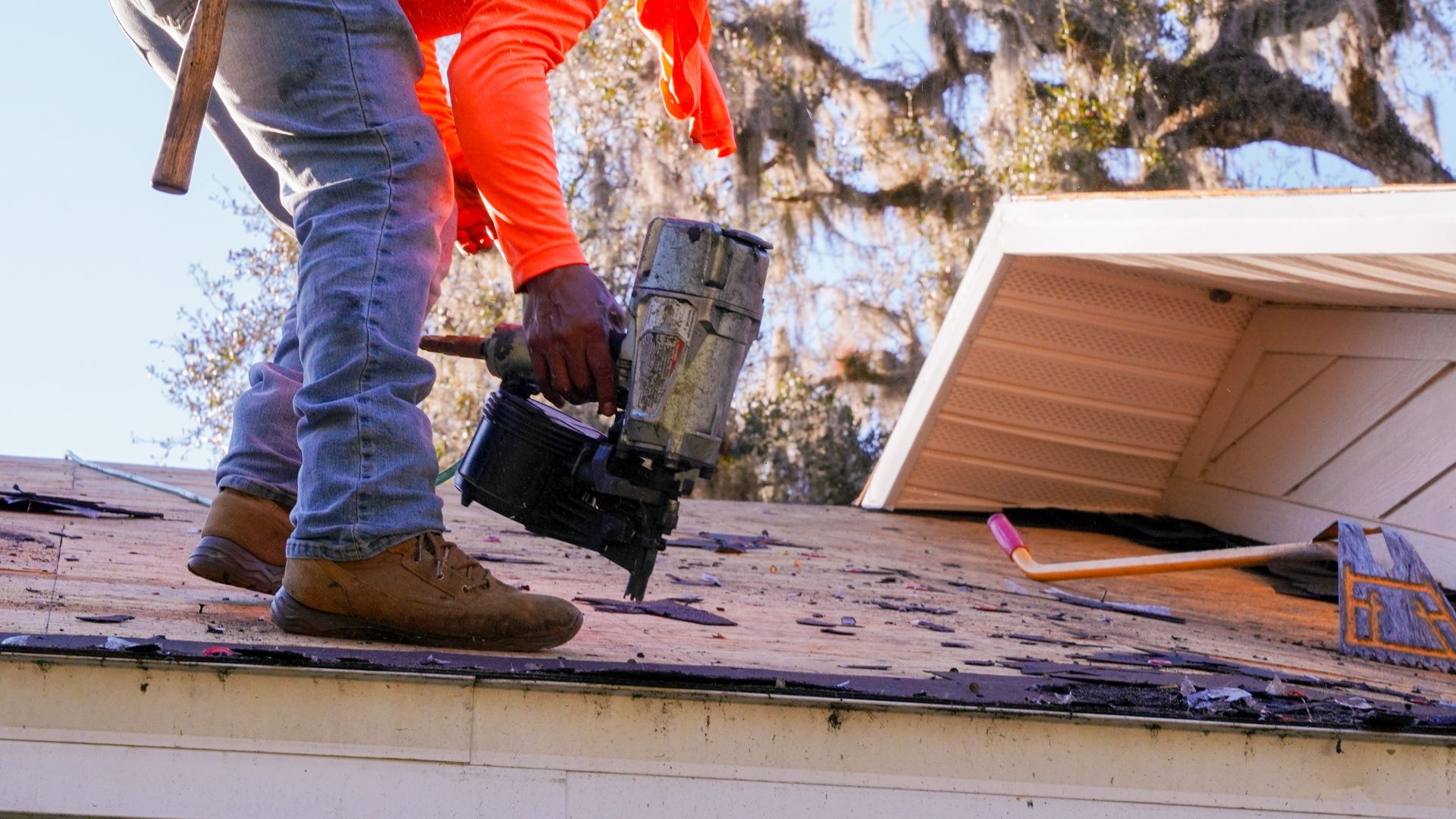
Learn what homeowners insurance covers for Florida roofing, what it excludes, and how property owners can successfully navigate an insurance inspection.
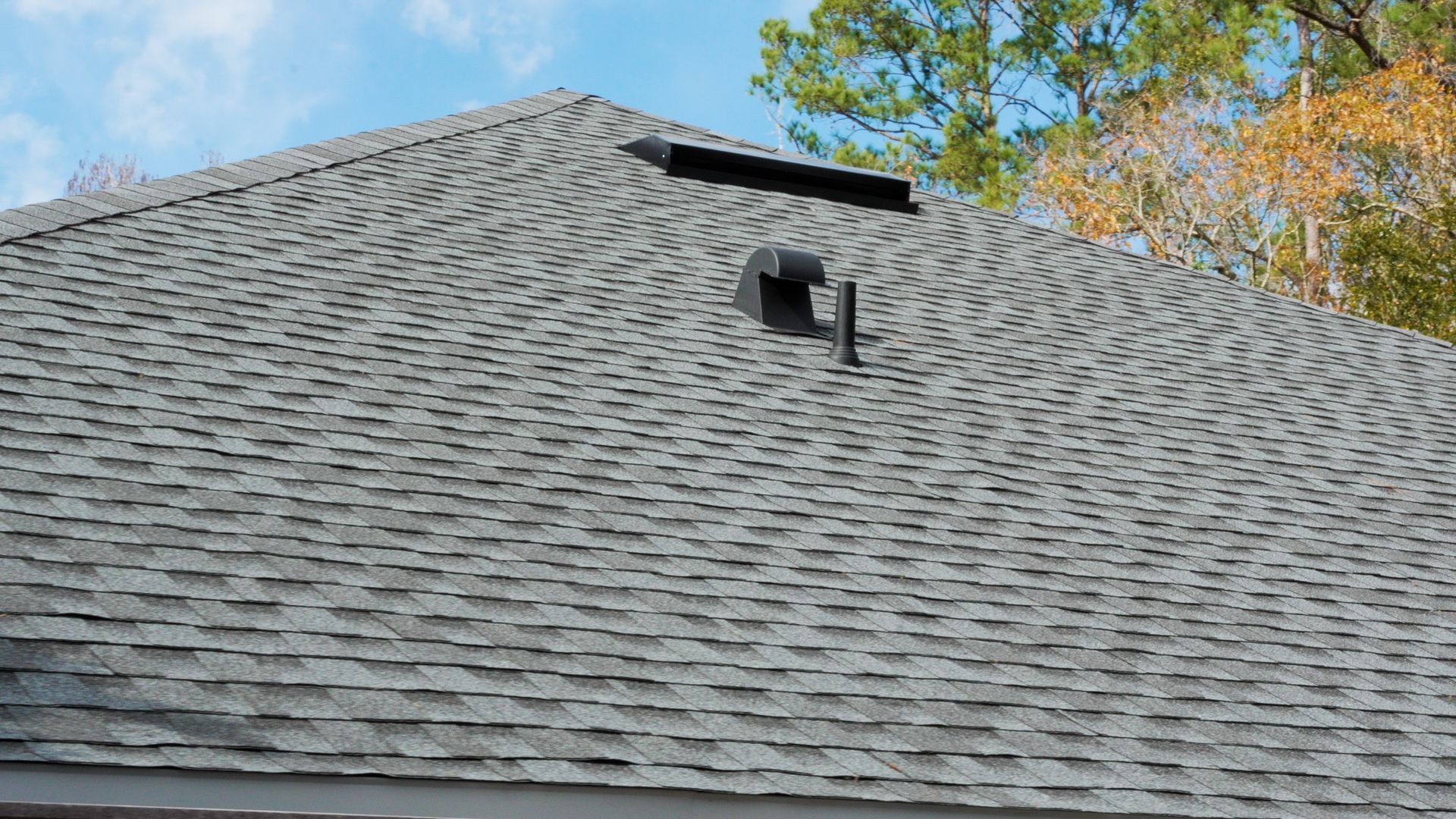
Learn how proper attic ventilation helps extend roof lifespan, reduce moisture buildup, and improve energy efficiency in Florida homes. Keeler Roofing Services explains the importance of balanced roof ventilation systems.