
Storm Season Prep: How to Make Sure Your Roof Can Handle Summer Weather in Florida
Jesse Sampley • April 7, 2026
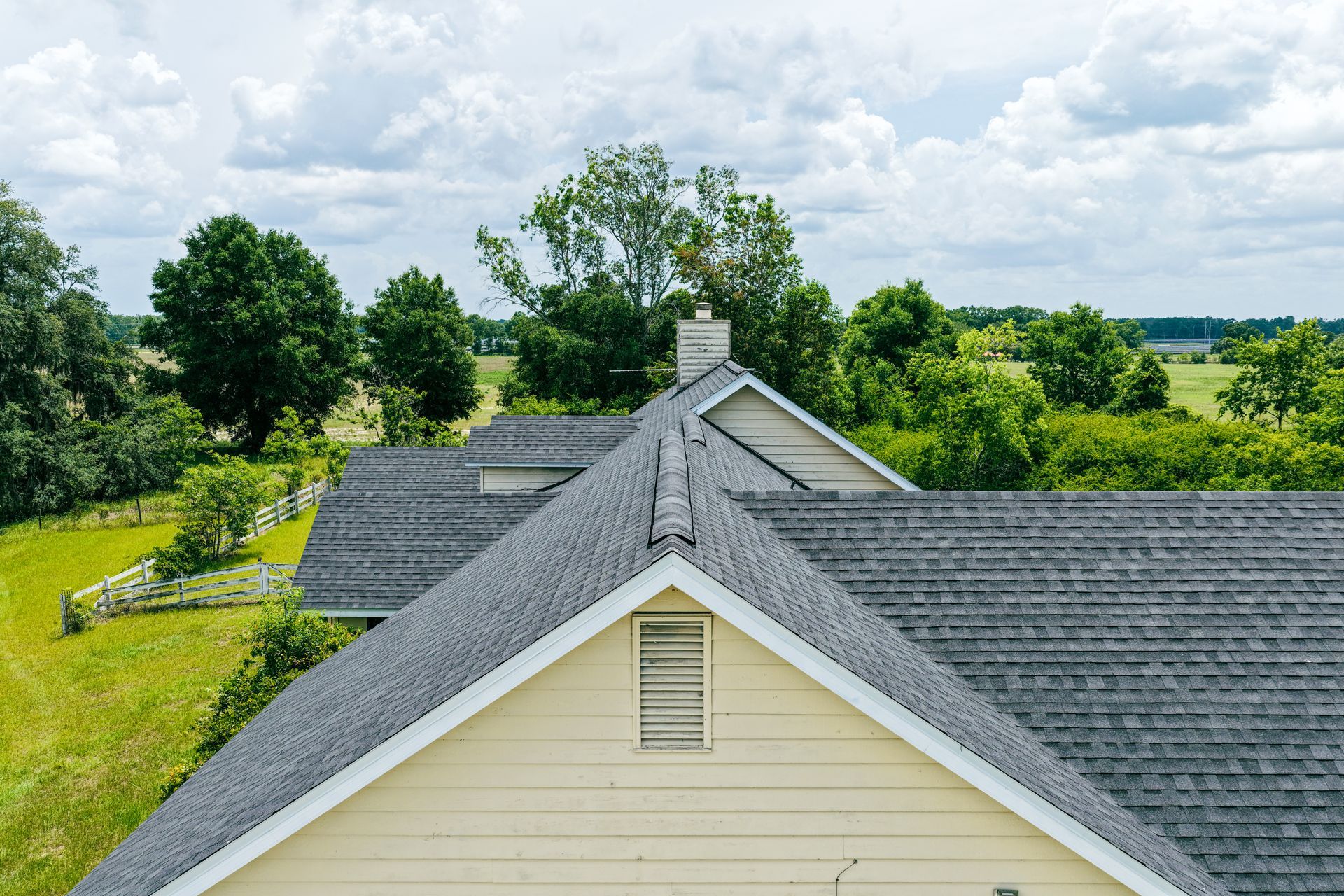
Florida summers are beautiful, but they also signal the start of storm season. Between heavy rain, high winds, tropical systems, and hurricane threats, your roof takes on more stress during storm season than at any other time of year.
The problem is that most roofing failures during storms aren’t caused by one dramatic event. They are usually the result of small, unnoticed weaknesses that were already present. A loose shingle, aging flashing, or clogged gutter may not seem urgent in spring, but under summer storm conditions, those weaknesses can quickly turn into major interior damage.
Preparing your roof before storm season gives you control instead of leaving you reacting to leaks, insurance stress, and emergency repairs.
Below is a structured guide to help you prepare properly.
1. Schedule a Professional Roof Inspection
Before storm season arrives, one of the most important steps homeowners can take is scheduling a professional roof inspection. Many roofing problems are difficult to identify from the ground and may go unnoticed until severe weather exposes them.
A professional inspection gives you a clear picture of your roof’s strengths and vulnerabilities. During an inspection, contractors typically look for:
- Loose, lifted, or damaged shingles that could detach in high winds.
- Soft spots in the decking may indicate hidden moisture damage.
- Deteriorating flashing around chimneys, vents, and skylights.
- Signs of previous repairs that may not withstand severe weather.
Addressing these issues before storm season can significantly reduce the risk of major roof damage.
2. Check Shingles for Wind Vulnerability
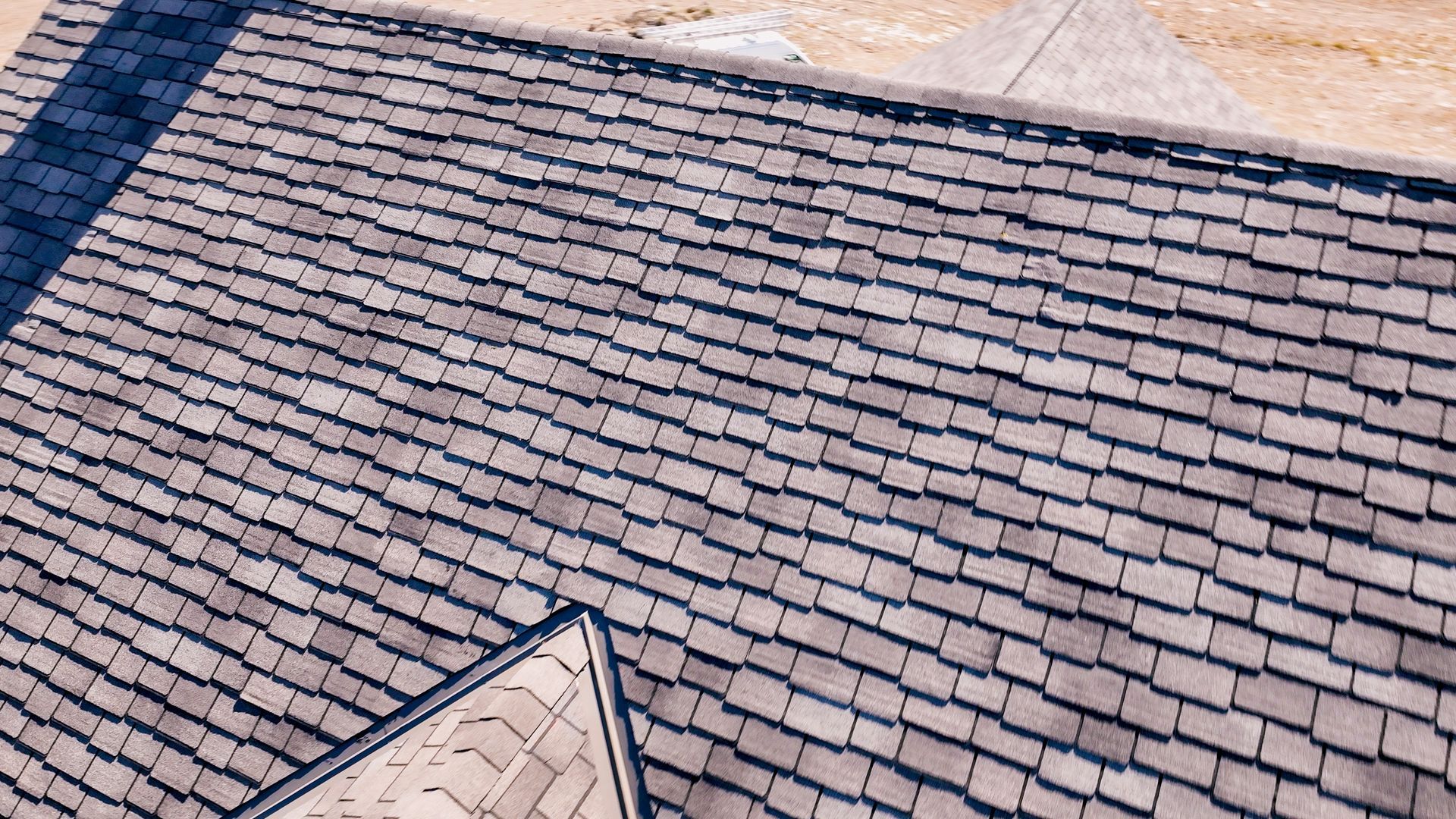
Shingles are your first line of defense against wind-driven rain. If they are already weakened, storm season will expose that weakness quickly. High gusts can lift loose shingles, break seals, and create openings for water intrusion within minutes.
Even if your roof looks fine from the street, surface deterioration can compromise its performance. Homeowners should look for warning signs such as:
- Curling or cracking along shingle edges.
- Missing or displaced shingles.
- Excessive granule loss is collecting in gutters.
- Uneven or lifted sections along ridgelines.
Wind rarely creates roofing problems; it exposes the ones that already exist.
3. Inspect Flashing and Sealants
Flashing protects the most vulnerable transition points on your roof. These are the areas where materials meet, where penetrations exist, and where water naturally concentrates. During heavy rain and wind, these spots are tested first.
Small gaps or weakened sealants may not cause noticeable leaks during light rain, but under sustained summer storms, they often fail. Before storm season intensifies, homeowners should verify that the following components remain in good condition:
- Flashing around vents and chimneys is secure and not rusted or lifted.
- Sealants are intact and not cracked or separating.
- Valley flashing is free of debris and corrosion.
- Skylight edges are tightly sealed.
The condition of these components often determines whether a roof remains watertight during sustained rainfall.
4. Clean and Secure Gutters and Downspouts
Effective drainage plays an essential role in roof performance during severe weather. During Florida storms, your roof must shed large volumes of water quickly and efficiently. If that water cannot flow away properly, it will back up and find vulnerable entry points.
Gutter maintenance is simple but critical. Before storm season arrives, homeowners should confirm the following:
- Remove leaves and debris from gutters and downspouts.
- Ensure gutters are firmly attached and properly sloped.
- Confirm that downspouts direct water away from the foundation.
- Check for sagging sections that could trap standing water.
Even when shingles remain intact, clogged or poorly functioning gutters can allow water to back up under roofing materials and create interior damage.
5. Trim Overhanging Tree Branches
Tree limbs become serious hazards during high wind events. Even branches that appear strong can snap under storm pressure or become projectiles during gusts.
Reducing impact risk is one of the most practical storm preparation steps homeowners can take. When preparing your property for storm season, evaluate the following areas:
- Branches hanging directly over your roof.
- Limbs close enough to scrape shingles during wind.
- Dead or weakened branches are likely to break.
- Dense canopy areas that increase wind resistance.
Prevention here is far less expensive than structural repair.
6. Review Your Roof’s Age and Lifespan
Storm preparation also means being realistic about your roof’s overall condition. An aging roof has less flexibility, weaker seals, and reduced material strength compared to a newer system.
If your roof is approaching the end of its expected lifespan, summer storms may accelerate its failure. Homeowners should consider several factors when evaluating an aging roof, including:
- Whether replacement may be more cost effective than repeated repairs.
- How insurance coverage may be affected by roof age.
- The risk of claim denial due to wear and tear.
- The benefits of proactive replacement before a major storm.
Age alone does not guarantee failure, but it increases vulnerability.
7. Document Your Roof’s Condition
Storm preparation is not just about maintenance. Proper documentation is just as important, especially if insurance claims are involved. In Florida, insurance disputes often depend on whether damage is considered storm-related or pre-existing.
Creating a record before storms hit can protect you financially. Homeowners should be sure to:
- Take clear photos of your roof from multiple angles.
- Keep records of past inspections or repairs.
- Save receipts for maintenance work.
- Store documents digitally for easy access.
Clear documentation strengthens your position if you need to file a claim.
8. Understand Your Insurance Coverage
Many homeowners do not review their insurance coverage until after storm damage occurs. By that point, misunderstandings about deductibles, coverage limitations, or policy conditions can create additional stress. Storm season preparation should include understanding your financial exposure.
Before severe weather arrives, homeowners should review several key aspects of their policy:
- Review your deductible for wind and hurricane damage.
- Confirm whether coverage is replacement cost or actual cash value.
- Understand any age-based coverage restrictions.
- Ask about inspection requirements.
Knowing your policy now prevents costly surprises later.
Final Thoughts
Preparing your roof before Florida’s storm season can significantly reduce the risk of unexpected damage, costly repairs, and insurance complications. Regular inspections, routine maintenance, and clear documentation help homeowners address potential vulnerabilities before severe weather places additional stress on the roofing system.
Working with an experienced contractor such as Keeler Roofing
provides valuable guidance during this process. Professional inspections and preventative maintenance help homeowners better understand the condition of their roof and make informed decisions that support long-term protection for their property.
Related Posts
Spot hidden storm damage before it causes costly leaks. Keeler Roofing offers expert mid-season roof inspections across North Central Florida.
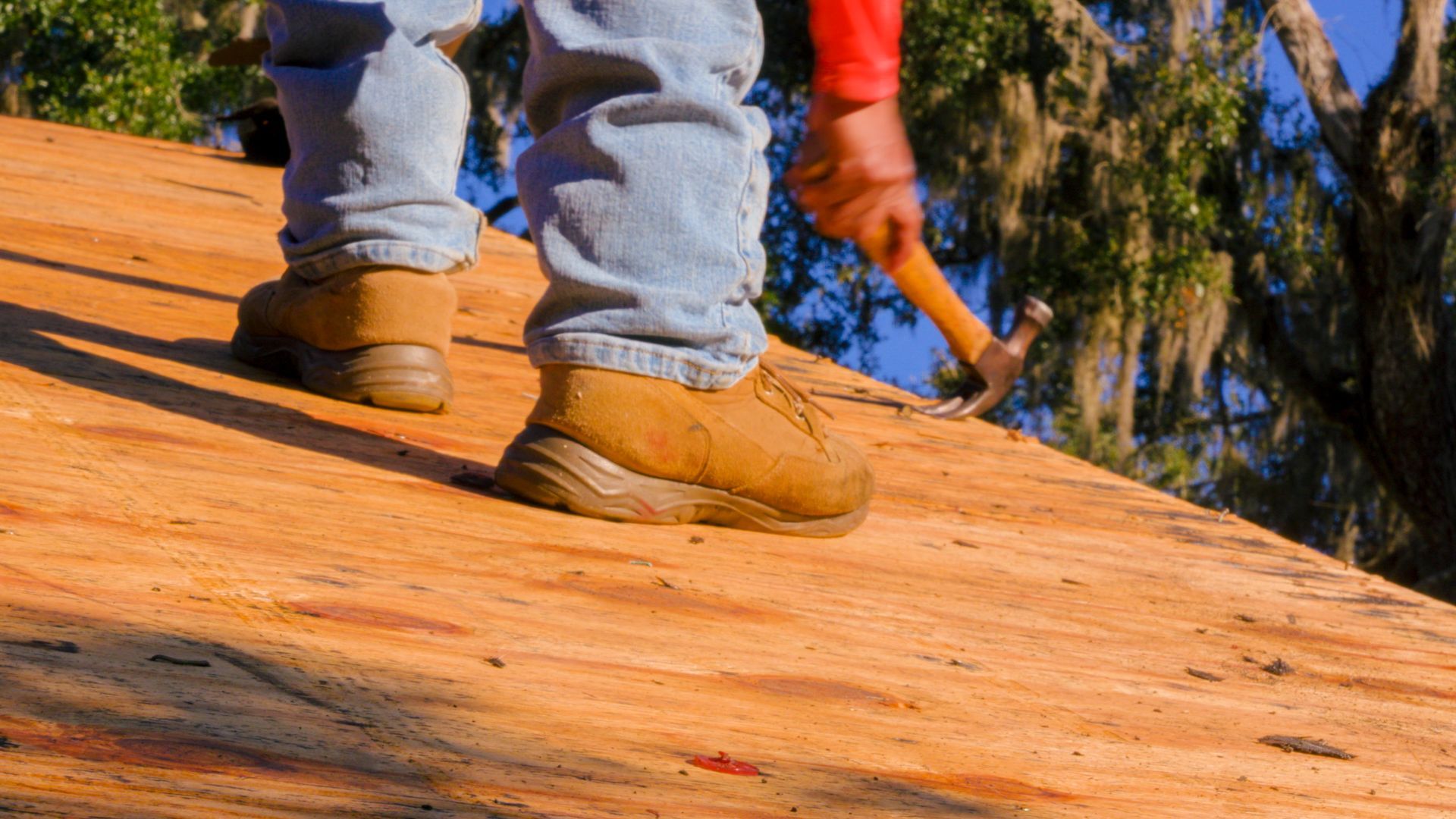
Learn how Florida’s heat, storms, and humidity affect roof decking. Keeler Roofing explains why assessing and repairing decking is critical before roof replacement.

Not sure if your roof needs a repair or a full replacement? Keeler Roofing explains the key differences, warning signs, and how to make the right decision for your Florida property.
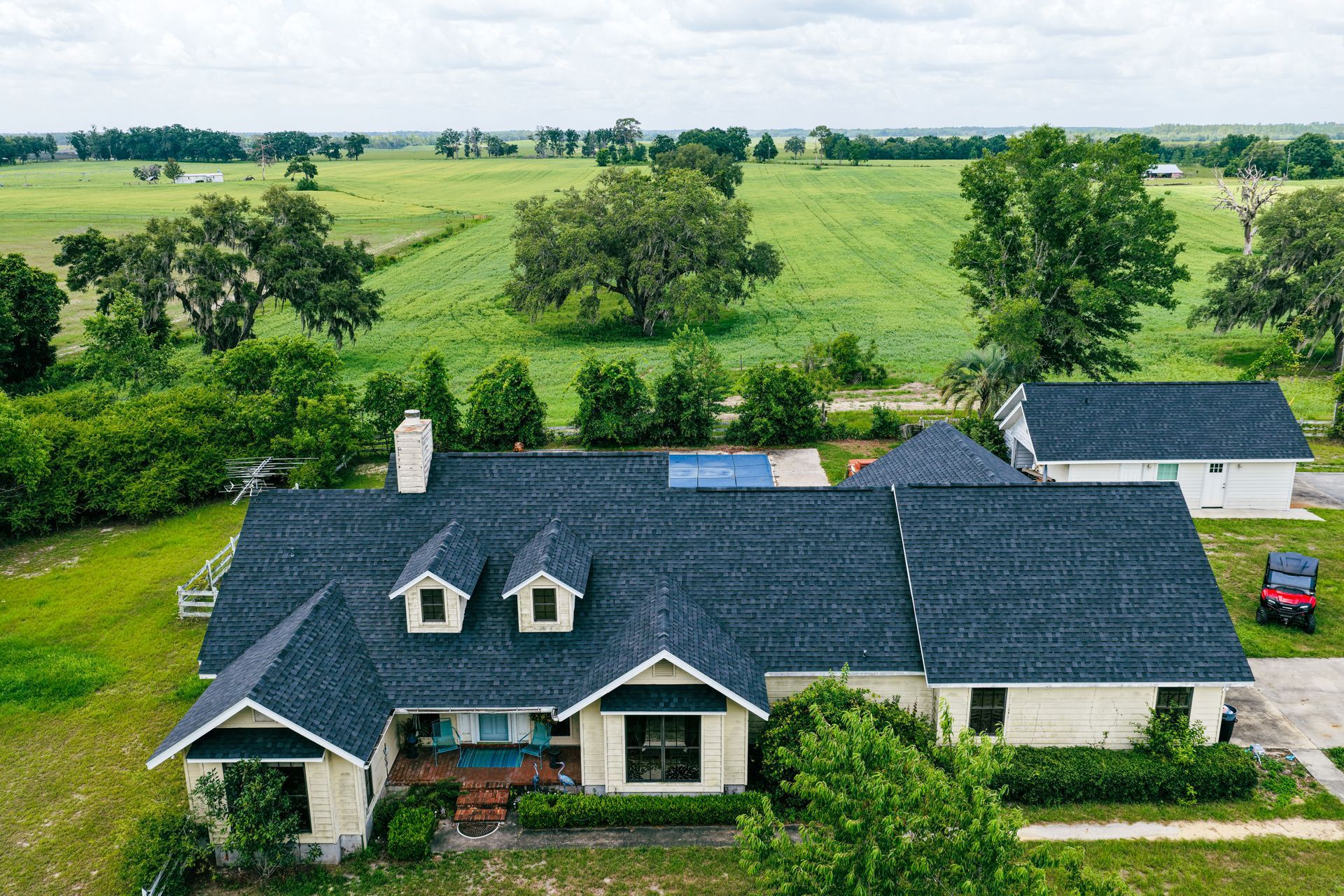
A lifetime roofing warranty doesn’t mean full coverage forever. Learn what’s included, what voids coverage, and what to look for from Keeler Roofing in Florida.
Poor attic ventilation shortens your roof's lifespan. Learn how proper airflow protects Florida roofs from heat, moisture, and early failure, brought to you by Keeler Roofing.
See real Florida ROI data on roof replacement, insurance savings, and grants. Expert insight from Keeler Roofing in Gainesville & Ocala.
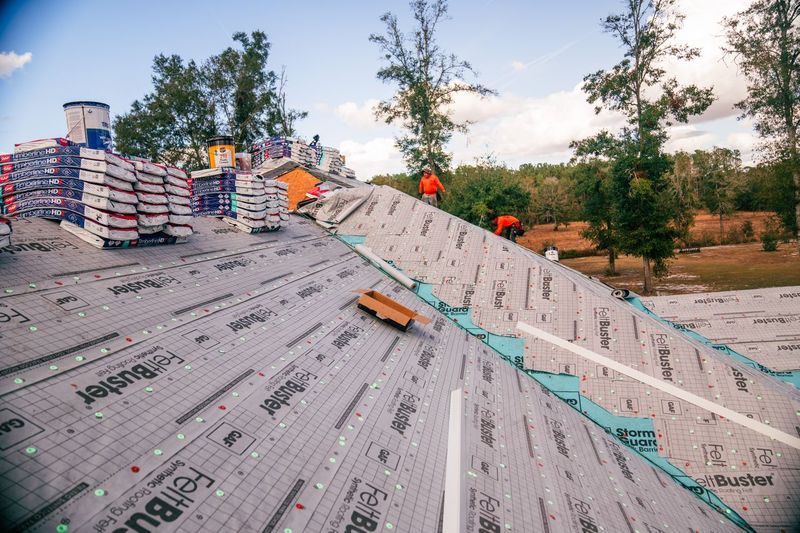
Learn how roofing underlayment protects your home, what Florida code requires, and how GAF products compare. Expert insight from Keeler Roofing.
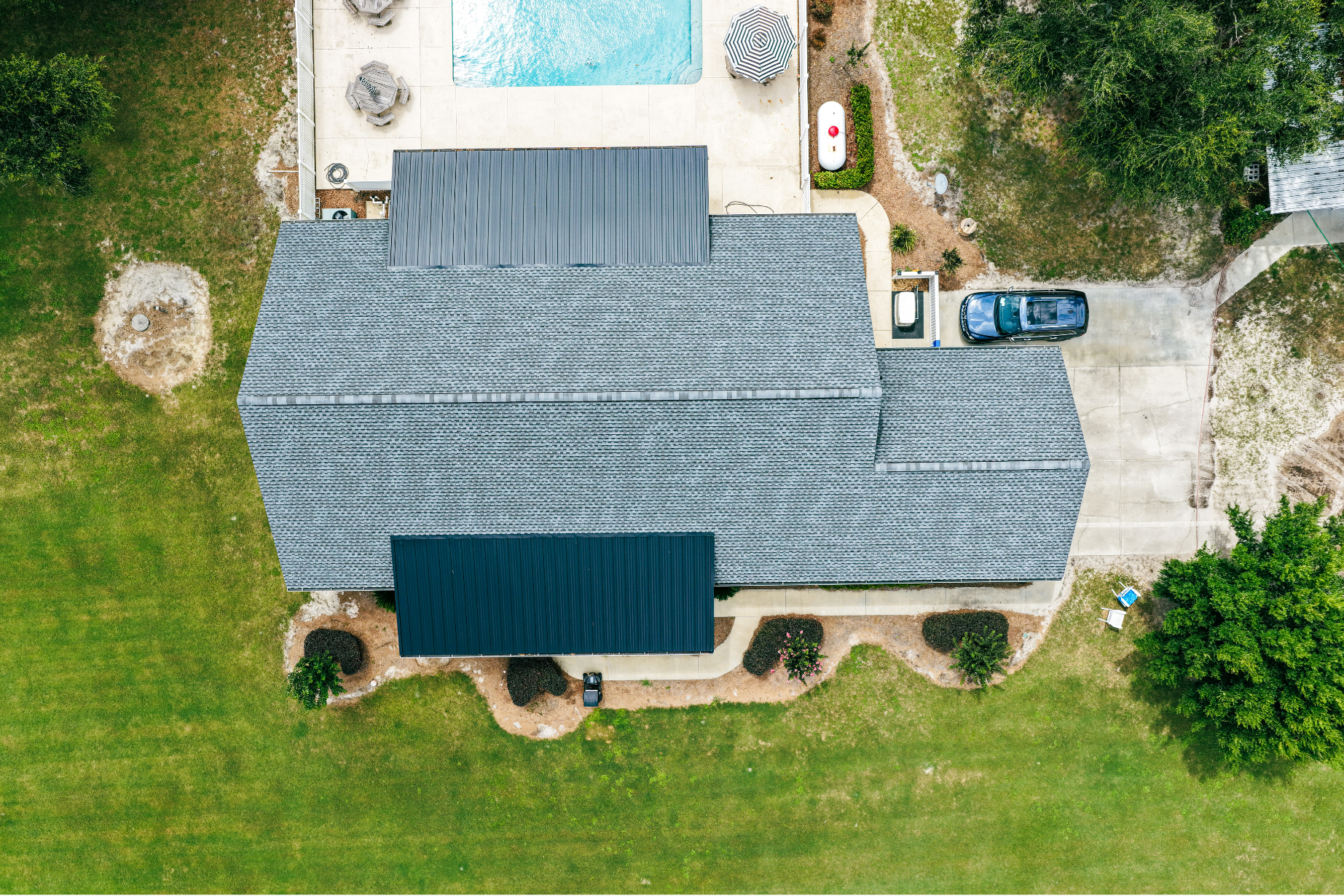
Learn whether a metal roof or architectural shingles are the best choice for your Florida home in 2026. Compare costs, hurricane resistance, and lifespan.
Learn what homeowners insurance covers for Florida roofing, what it excludes, and how property owners can successfully navigate an insurance inspection.
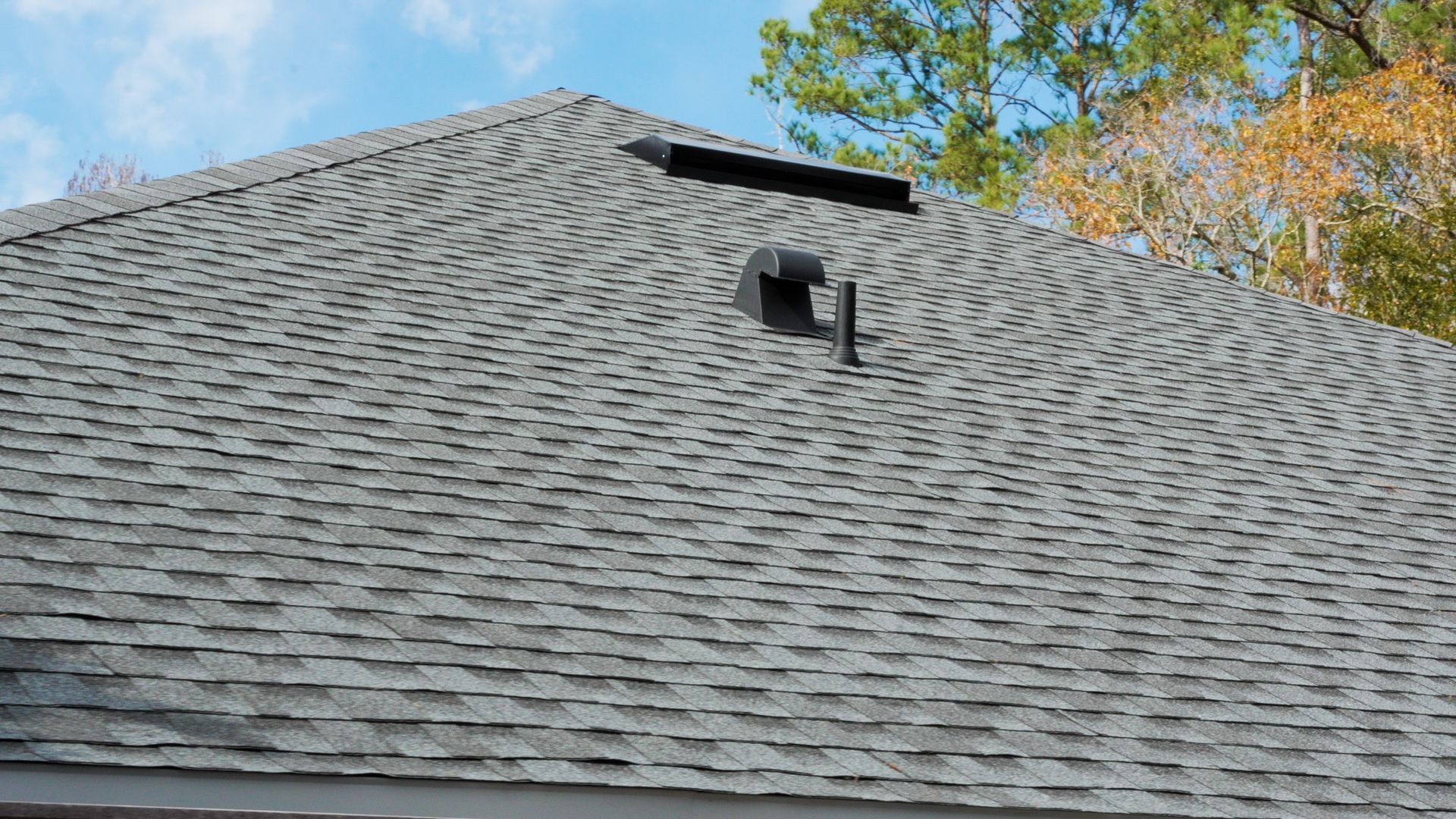
Learn how proper attic ventilation helps extend roof lifespan, reduce moisture buildup, and improve energy efficiency in Florida homes. Keeler Roofing Services explains the importance of balanced roof ventilation systems.