
How Long Should a Roof Last in Florida?
A Realistic Guide Based on Weather, Materials, and Maintenance
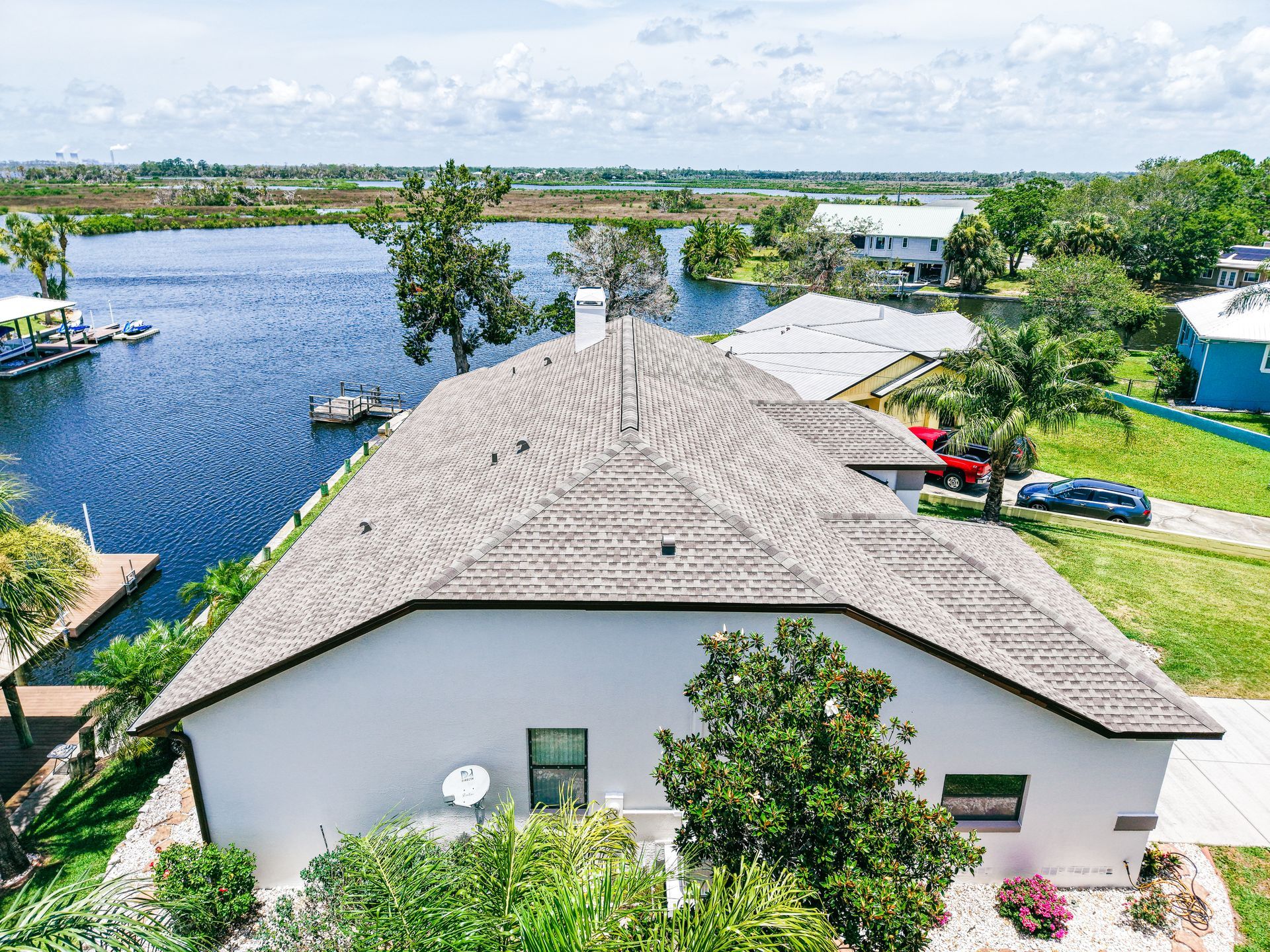
Understand how long a roof truly lasts in Florida. This guide explains lifespan by material type and shows how weather, maintenance, and installation quality influence durability. Learn what signs to watch for and schedule a roof inspection before problems grow.
Florida’s Climate Puts Every Roof to the Test
Florida roofs face significantly harsher conditions than roofs in most other states. The combination of heat, humidity, heavy rainfall, and seasonal storms accelerates aging and reduces the lifespan of high-quality materials. Many homeowners expect their roof to last 25 to 30 years, but Florida’s environment creates a much different reality. Knowing what affects your roof’s lifespan can help you budget, plan, and prevent costly surprises.
Realistic Roof Lifespans in Florida by Material
Various roofing materials perform differently in Florida’s climate. Manufacturer estimates often assume mild weather, which is why actual lifespans in Florida are shorter. Understanding these realistic ranges helps homeowners make better long-term decisions.
Asphalt Shingle Roofs
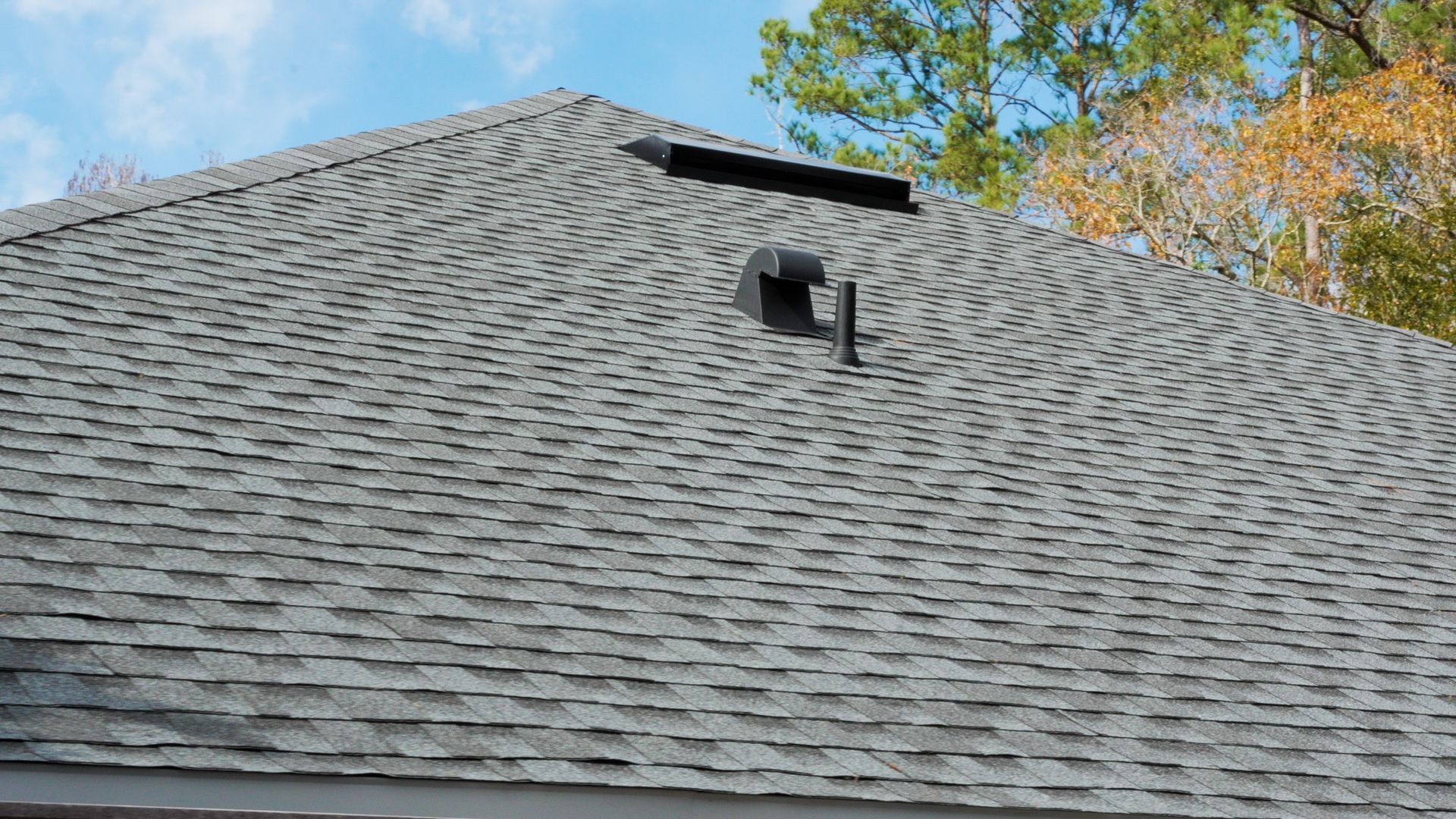
Asphalt shingles are the most common residential roofing material in Florida. They are affordable and effective but wear down quickly in extreme heat.
- Standard asphalt shingles typically last between 12 and 17 years in Florida because high UV exposure weakens the asphalt and loosens protective granules.
- Homes near open areas or coasts may experience shorter lifespans because constant wind and salt exposure accelerate deterioration.
Architectural Shingles
Architectural shingles are thicker and more durable than standard shingles, which gives them better resistance to wind and heat.
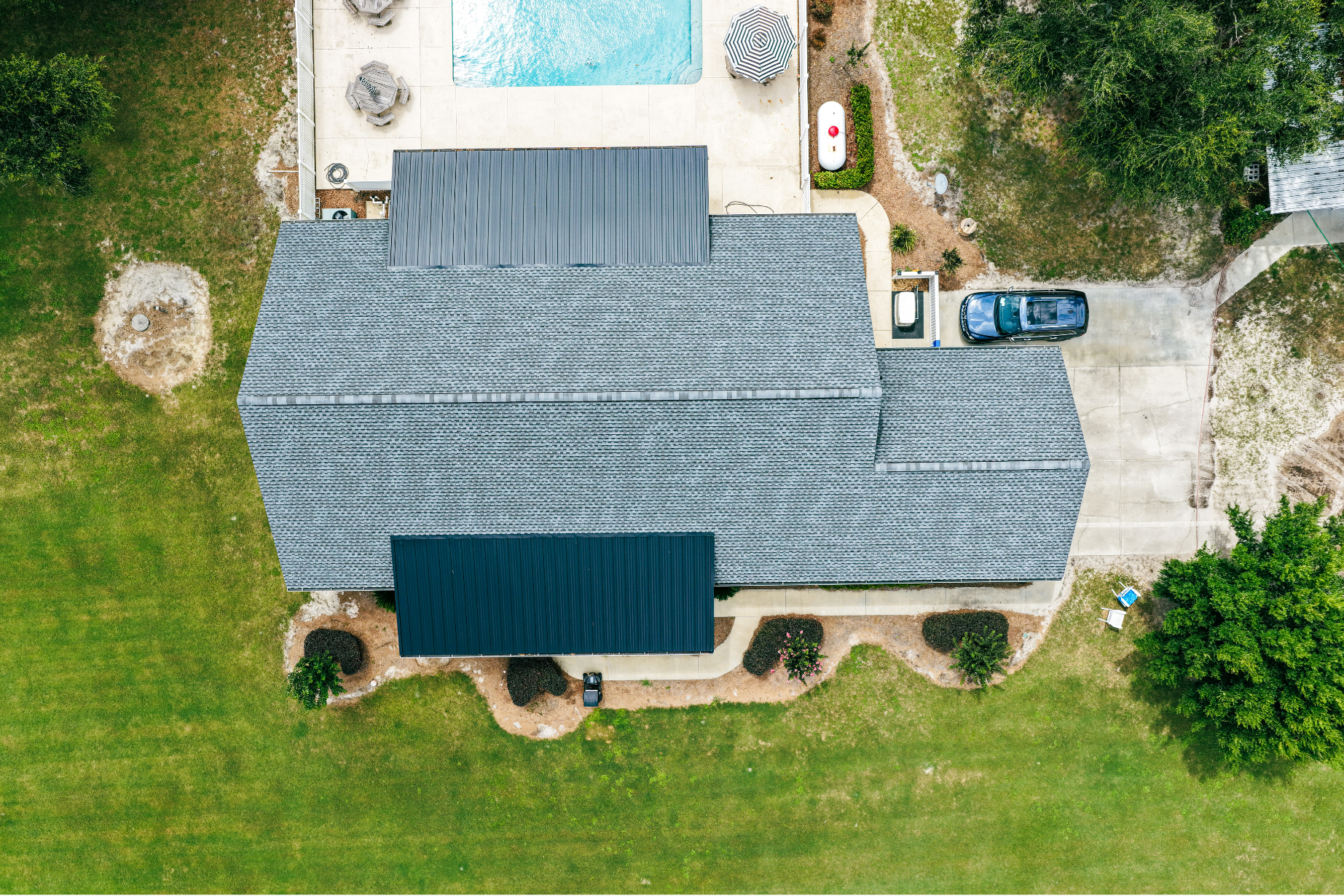
- Architectural shingles generally last between 18 and 25 years in Florida because their layered design offers stronger weather protection and slower aging.
- Their longer lifespan makes them a cost-effective upgrade for homeowners who plan to stay in their homes long term.
Metal Roofs
Metal roofing is increasingly popular in Florida because of its durability and excellent wind resistance.
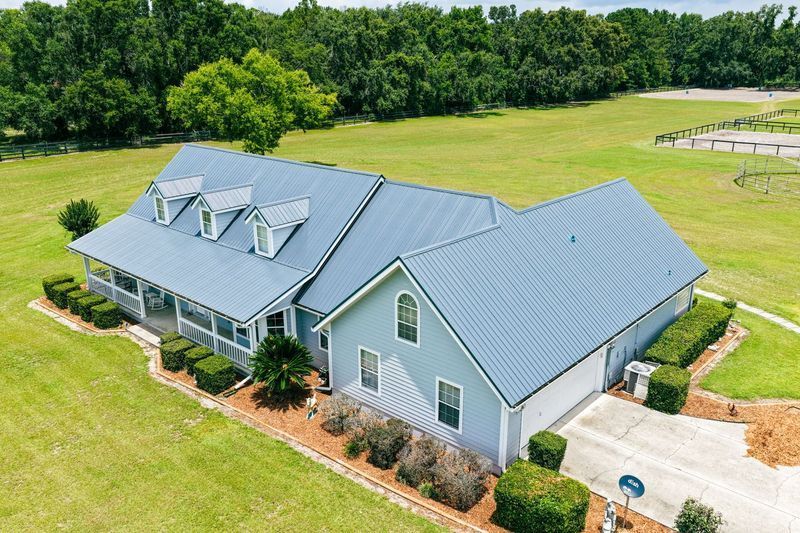
- Most metal roofs last between 30 and 50 years in Florida because metal withstands intense heat, heavy rain, and strong winds better than other materials.
- Proper installation is essential because even small fastening errors can weaken wind resistance.
Tile Roofs
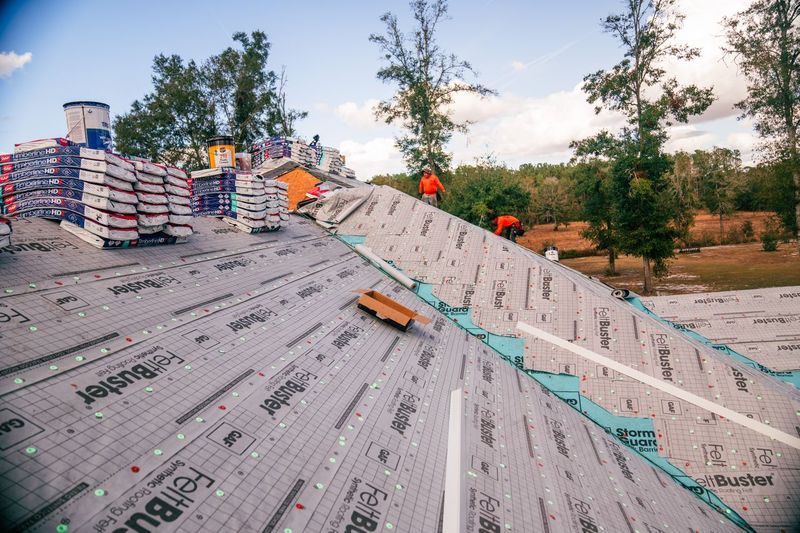
Tile roofs are known for their longevity, but the tiles themselves are not the issue. It is the underlayment beneath them that determines the true lifespan.
- Tile roofs can appear intact for decades, but the underlayment usually lasts between 15 and 25 years in Florida before it deteriorates.
- Replacing the underlayment on time is necessary to prevent leaks and structural damage.
Flat and Low Slope Roofs
Flat roofs require special materials that can handle standing water and high heat, such as TPO and PVC, which are both designed to resist UV exposure and water intrusion in Florida’s climate.
- Flat roofs typically last between 10 and 20 years in Florida because water accumulation and intense sunlight shorten membrane life.
- Regular inspections are necessary to identify punctures, soft spots, and seam issues early.
Florida Weather Reduces Roof Lifespan Faster Than Homeowners Expect
Florida’s weather is one of the strongest factors in roof aging. Even roofs installed perfectly can experience early deterioration because the climate is so demanding.
How Weather Affects Roof Durability
- Extreme sun exposure breaks down shingles, underlayment, and sealants over time because constant UV radiation dries out materials and weakens adhesives.
- Heavy rain and high humidity create ideal conditions for mold and rot, especially in areas with poor ventilation or drainage.
- Strong seasonal winds loosen shingles and damage flashing because repeated gusts create stress points across the roof.
- Salt air speeds up corrosion for coastal homes because salt affects metal components, fasteners, and roof edges more quickly than inland environments.
Understanding these factors helps explain why Florida roofs age faster than manufacturer labels suggest.
Installation Quality Plays a Major Role in Roof Longevity
The skill of the installer can add or remove years from a roof’s lifespan. Even the best materials fail prematurely when installed improperly.
Why Installation Matters
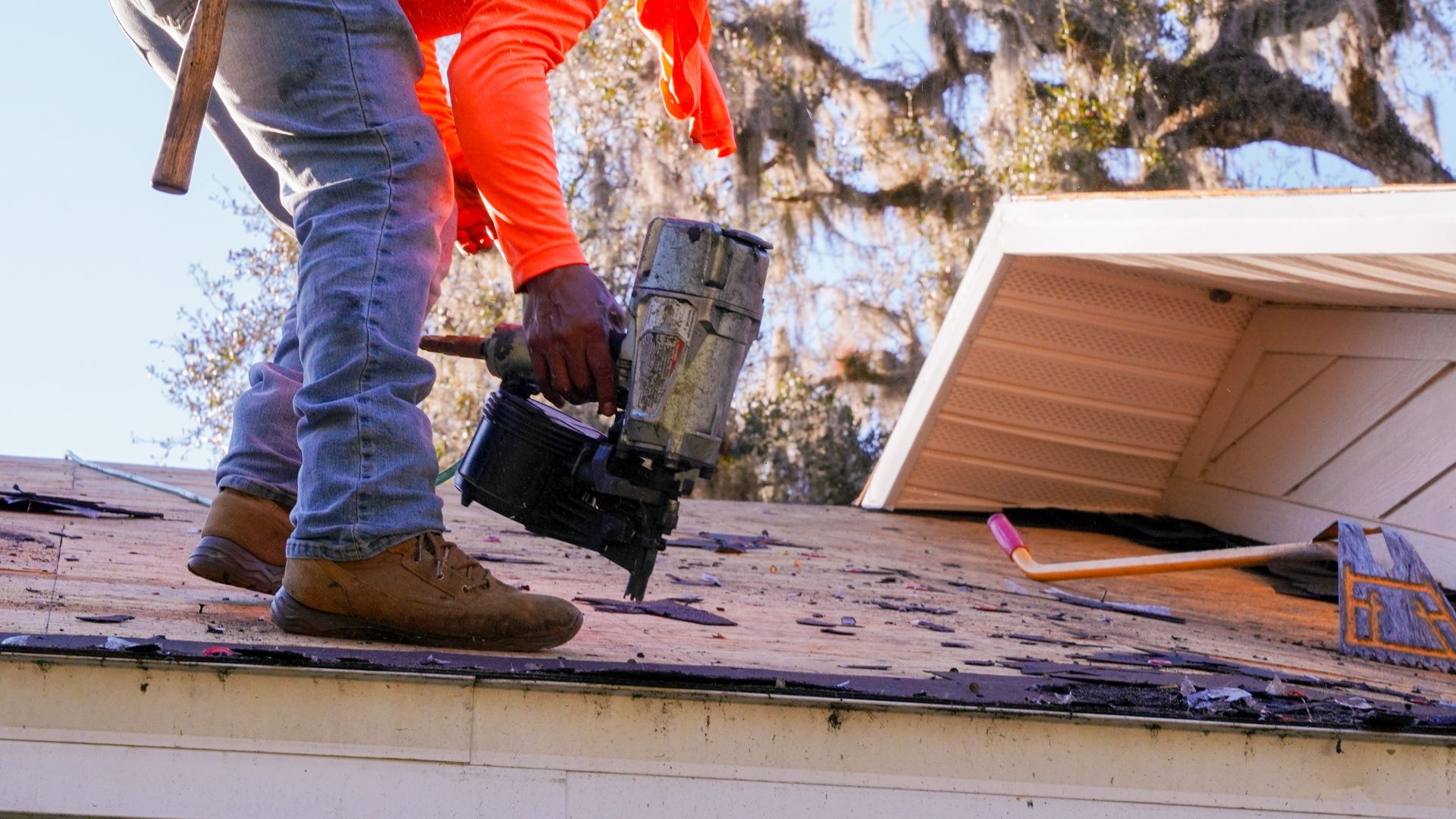
- Poor installation can cause leaks early in a roof’s life because incorrect sealing or flashing creates water entry points.
- Misaligned shingles reduce wind resistance because gaps allow wind to lift shingles during storms.
- Low quality fasteners or improper nailing can void material warranties because most manufacturers require roofs to be installed to specific standards.
- Inconsistent attic ventilation can shorten roof lifespan because trapped heat and moisture damage both shingles and underlayment.
Choosing a certified roofing contractor often results in a longer-lasting, better-performing roof.
Maintenance Is the Most Effective Way to Extend Roof Lifespan
Routine maintenance is essential for Florida homes. Even durable roofs need regular care to protect them from climate-related damage.
Maintenance Practices That Add Years to a Roof
- Scheduling annual roofing inspections helps identify minor issues before they develop
into leaks or structural damage.
- Cleaning gutters regularly prevents water from backing up under shingles and damaging
the roof deck.
- Removing debris such as branches and leaves reduces moisture retention and prevents
mold growth.
- Addressing small leaks immediately avoids costly repairs and extends the lifespan of the
entire roofing system.
- Checking flashing and seals ensures that vulnerable areas around vents and chimneys
stay watertight.
These habits significantly increase the life of a roof, especially in climates with heavy rainfall and strong sun.
Signs Your Florida Roof May Be Nearing the End of Its Life
Knowing the warning signs of an aging roof helps homeowners act before significant damage occurs. Most roofs show clear indicators when they are approaching the end of their useful lifespan.
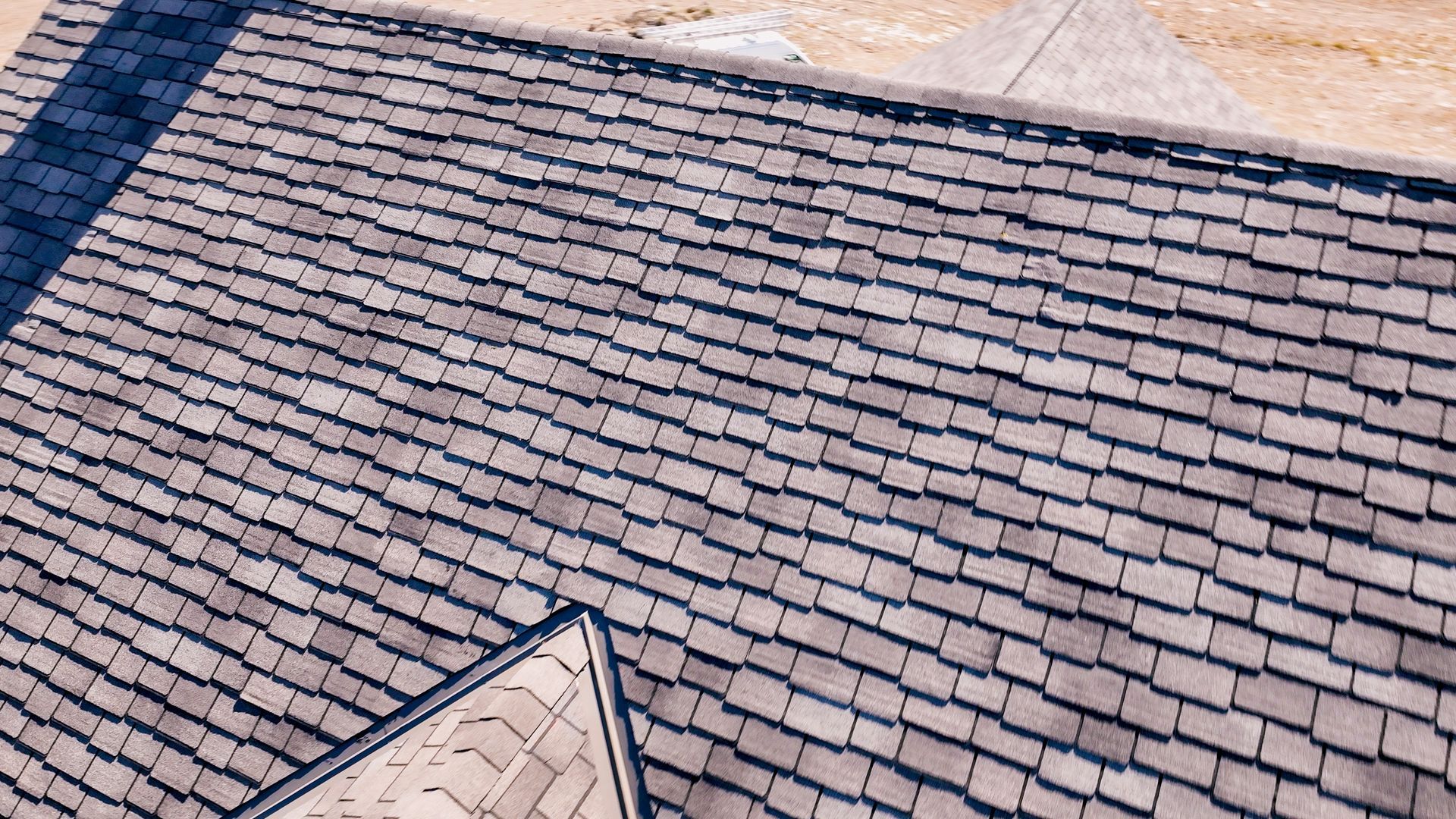
- Curled or cracked shingles indicate that the roof has experienced long-term heat exposure and material breakdown.
- Missing shingles or patches exposed by wind suggest vulnerability to future storms.
- Granules collecting in gutters show that the protective surface of shingles is wearing away.
- Dark streaks or visible mold growth signal moisture issues and potential hidden leaks.
- Increasing energy bills may indicate poor ventilation or a failing roof system that traps heat.
When several of these signs appear together, it often means the roof has only a few years left.
How to Determine the Remaining Life of Your Roof
Every roof is unique because climate exposure, installation quality, and maintenance all affect its actual lifespan. The most reliable way to determine how much time your roof has left is a professional inspection.
- A thorough inspection evaluates shingles, underlayment, flashing, and structural components because all parts of the roof work together.
- Inspectors can identify hidden damage that homeowners often overlook because leaks and structural issues may begin below the surface.
- Reports help homeowners budget for repairs or replacements because accurate information prevents unexpected emergency expenses.
- Documentation is valuable for insurance and resale because proof of maintenance supports claims and increases buyer confidence.
Schedule a Florida Roof Inspection to Protect Your Home
Because Florida weather accelerates roof aging, a professional inspection is essential for protecting your property. Whether you need to verify your roof’s remaining lifespan or address early signs of damage, a proactive approach can prevent costly emergencies.
Keeler Roofing provides:
- Detailed inspections that evaluate all components of your roofing system
- Clear recommendations based on Florida-specific weather patterns
- Honest guidance about whether repair or replacement is necessary
- Transparent estimates with no unnecessary upgrades
A roof is one of your home’s most important assets, and staying ahead of problems is the best way to prolong its life.
Schedule your professional Florida roof inspection today. Appointments are limited as homeowners prepare for storm season.
Related Posts