
Mid-Hurricane Season Roofing Realities: What Your Roof Needs From You Right Now
Quick answer: Hurricane season is fully underway, and the heart of it is when your roof faces its greatest cumulative stress. The storms that have already passed have left their mark, whether you've noticed or not. Acting now, between systems, is one of the most effective decisions you can make for your property.
Florida roofs take a beating every season. Between tropical storms, relentless humidity, and the sustained wind loads that come with an active hurricane season, the damage adds up, often in ways that aren't visible from the ground. For homeowners and business owners across North Central Florida, the real danger mid-season isn't the next major storm. It's the vulnerabilities the last one left behind.
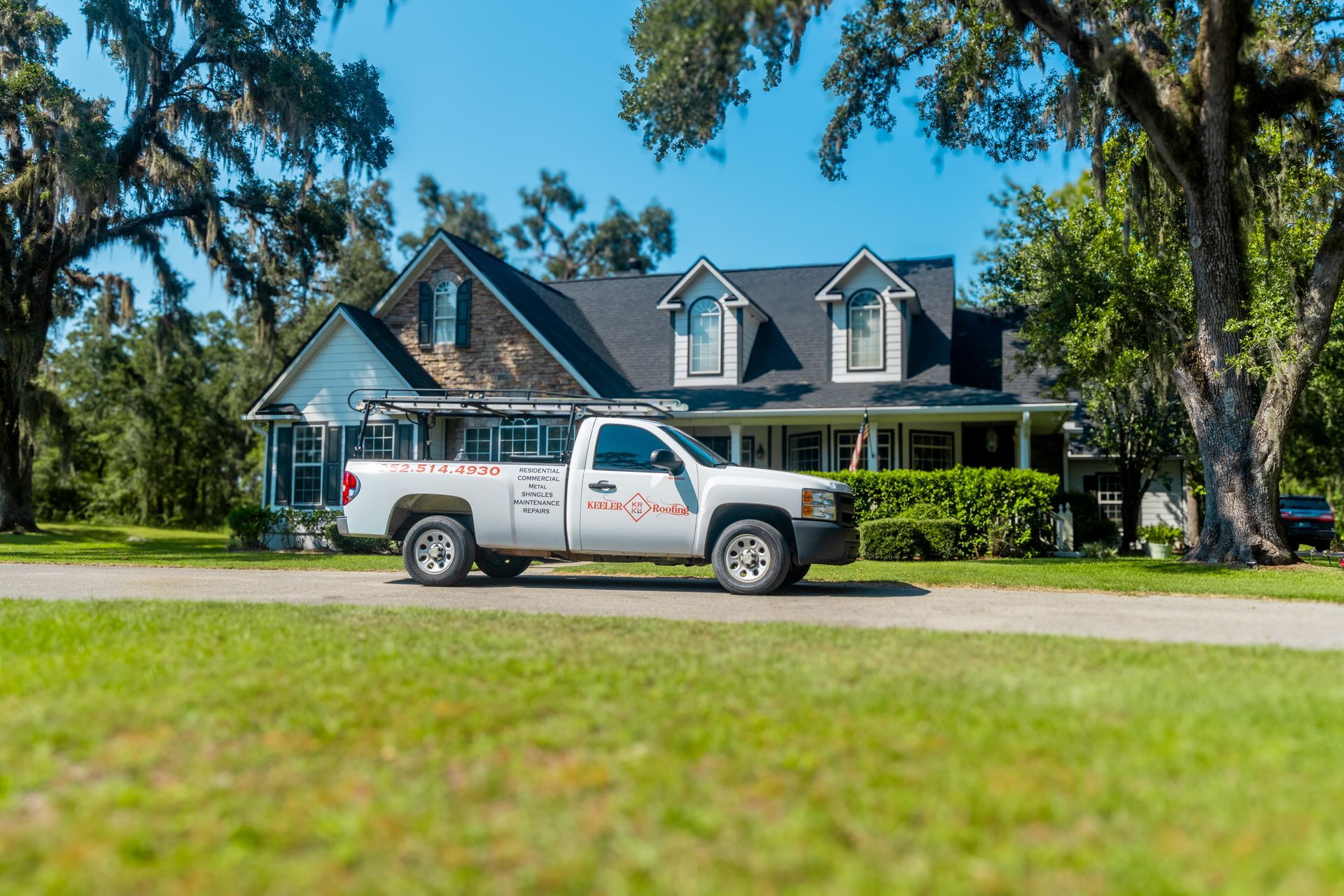
At Keeler Roofing, we've completed over 9,000 projects across Gainesville, Ocala, and the surrounding areas since 2014. One pattern is consistent: the property owners who fare best at the end of hurricane season are those who act between storms, not after them.
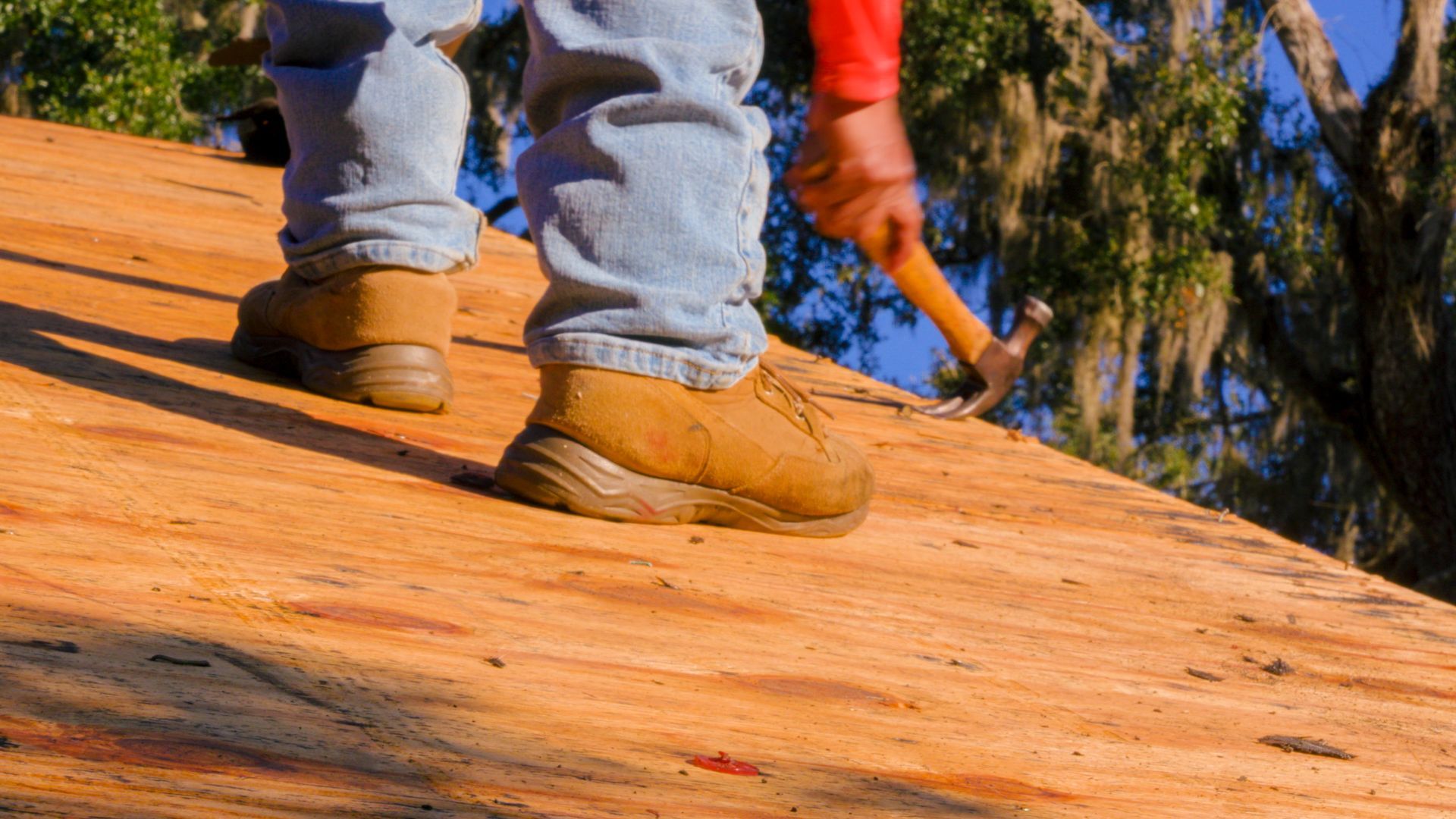
What Is Roof Decking and Why Is It Important
One of the most costly assumptions mid-season is that a roof looks fine from the driveway, so it must be fine. The most serious storm damage rarely announces itself in obvious ways.
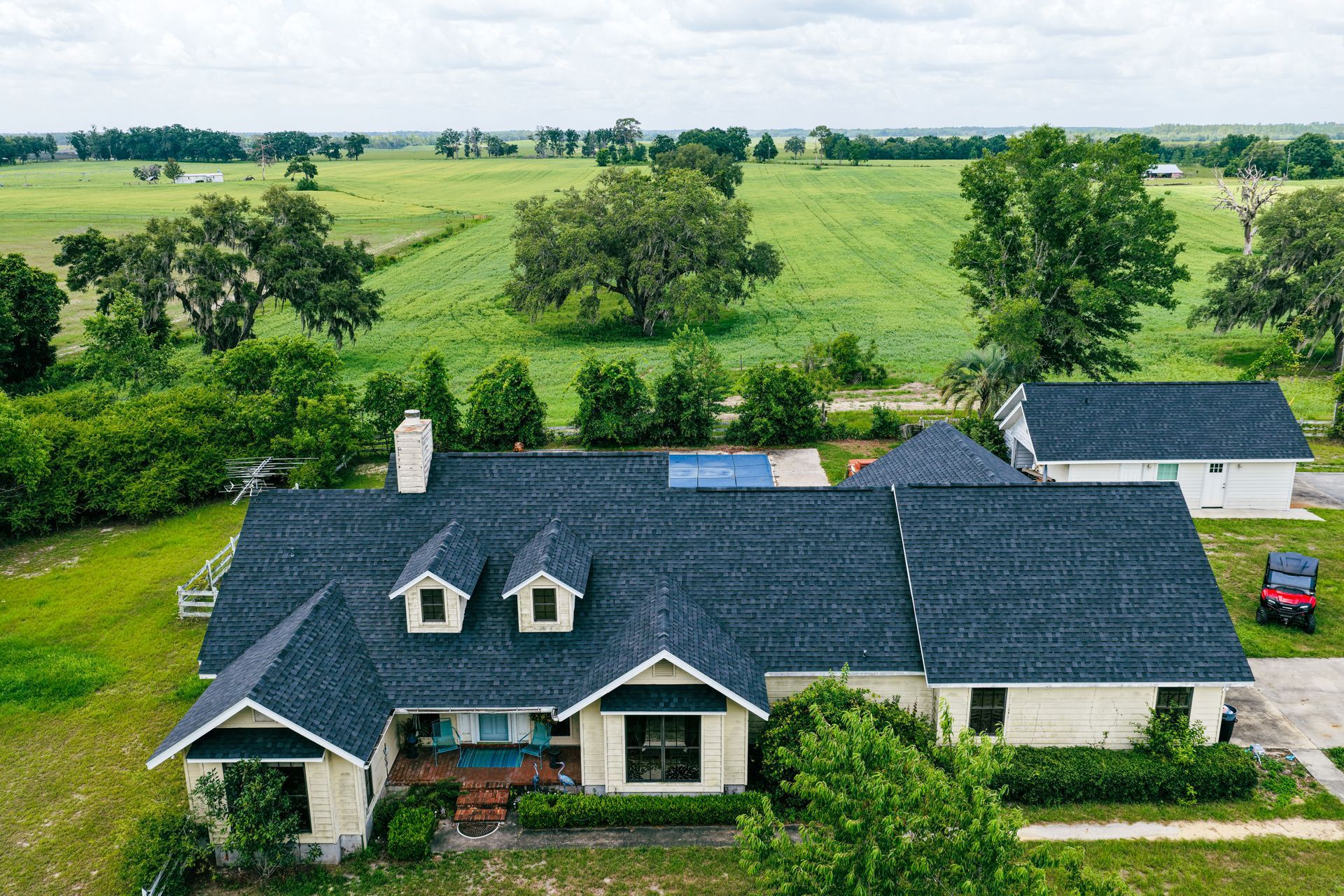
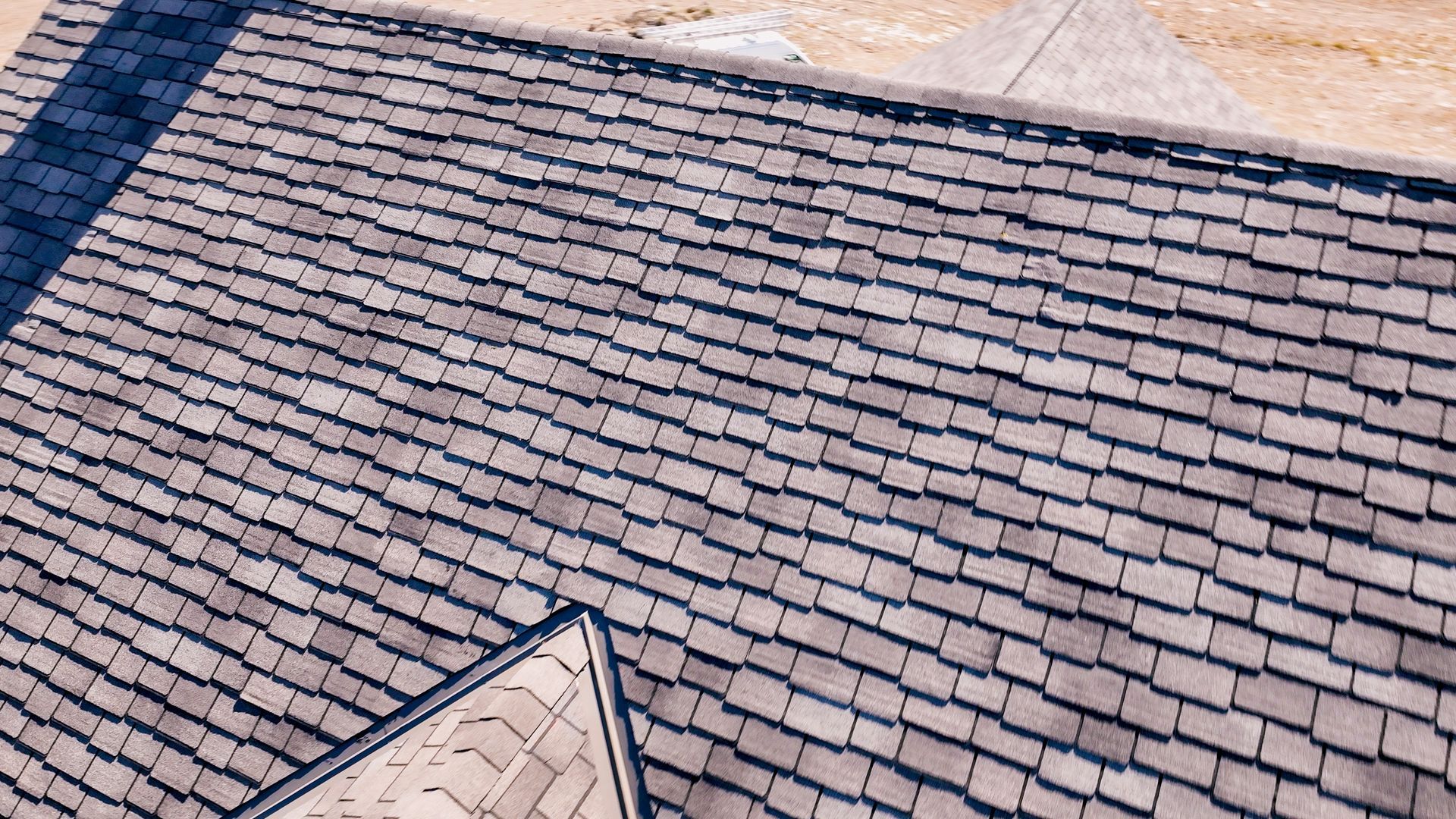
After weeks of wind, driving rain, and shifting pressure, roofs accumulate stress that hides in plain sight. A single lifted shingle exposes the underlayment to moisture with every passing shower. Sealant around vents, chimneys, and skylights degrades faster under repeated storm exposure, creating small entry points for water that travels far from where it first enters. By the time a stain appears on a ceiling, moisture has often been working through the structure for weeks.
Mid-season warning signs that are easy to overlook:
- Granules collecting in gutters or downspouts: Asphalt shingles shed granules as they age, and storms accelerate the process. Heavy build-up mid-season signals your shingles are wearing thin at the worst possible time.
- Lifted or curling shingle edges: Wind works shingles loose gradually. Edges that have begun to curl or lift won't reseal on their own and will worsen with the next system.
- Dampness or a musty smell in the attic: A roof leak often reveals itself indoors long before it's visible outside. Your attic is the earliest warning system.
- Discolouration on ceilings or upper walls: Faint yellow or brown patches indicate moisture has already found a path inside.
- Debris trapped around flashing or valleys:
Leaves and twigs hold water against vulnerable joints, accelerating corrosion and rot.
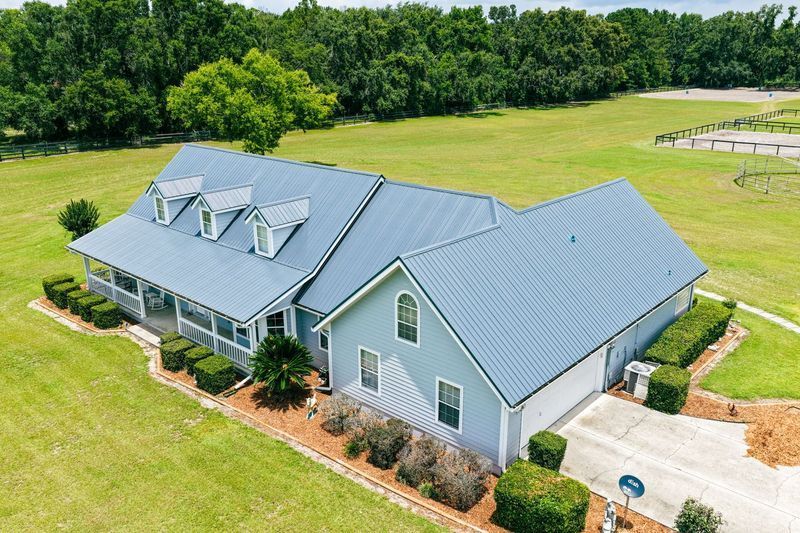
For commercial properties, flat and low-slope roofs carry their own mid-season risks. Ponding water that lingers more than 48 hours after rain, blistering in the membrane, and separating seams all point to stress that compounds with each storm.
Why Delaying a Mid-Season Inspection Is a Costly Gamble
It's tempting to wait until the season winds down before calling a roofer. The reasoning seems logical: why repair something now when another storm could follow next week? But that thinking is exactly what turns manageable repairs into major replacements.
A compromised roof doesn't wait for November. Every additional storm that hits an already-weakened area drives water deeper, expands cracks, and loosens what's barely holding. A straightforward flashing repair in early September can become a saturated deck, ruined insulation, and significant interior damage by October.
For business owners, the stakes are higher still. A leak that reaches inventory, equipment, or finished ceilings doesn't just cost repair money, it interrupts operations and can drive customers away. Water damage inside a commercial space frequently triggers a cascade of secondary problems, from electrical hazards to mold growth, each carrying its own cost and timeline.
Delaying also weakens your insurance position. Most policies expect property owners to take reasonable steps to prevent damage from worsening once a problem is known. Damage that compounds over weeks of inaction can be harder to claim, and in some cases, the portion that worsened may not be covered at all. A documented, timely inspection strengthens your position considerably if a claim becomes necessary.
What to Do After a Storm Clears
When skies calm after a system passes, the instinct is relief. But the days immediately after a storm are when a measured response pays off most. Rather than climbing onto the roof yourself (which is genuinely dangerous on wet or storm-loosened surfaces), focus on a safe ground-level assessment first.
Start indoors and work outward:
- Check ceilings and upper walls for fresh stains, bubbling paint, or damp patches.
- Inspect the attic with a torch and look for daylight where there shouldn't be any, wet insulation, or the smell of moisture.
- Walk the perimeter of the property and note any shingles on the ground, visible gaps, sagging areas, or displaced flashing.
- Check gutters and downspouts for heavy granule loss or fresh debris that could indicate shingle deterioration.
- Photograph anything unusual. Dated images create a valuable record for both repairs and potential insurance conversations.
If anything gives you pause, or even if nothing does but the storm was significant, contact a professional roofing team promptly. Trained eyes catch what an untrained glance misses, and they can safely assess areas that would put you at risk.
The Real Cost of Waiting: Repair Now or Replace Later
The numbers are straightforward. A minor repair caught mid-season (a reseal around a vent, a handful of replaced shingles, a flashing fix) often costs a few hundred dollars. Left unaddressed through several more storms, that same vulnerability can saturate the roof deck, destroy insulation, and force a partial or full replacement running into the thousands.
Here's what drives that gap:
- Water travels. A leak that starts at a lifted shingle rarely stays there. It moves along beams and framing, spreading damage well beyond the entry point.
- Moisture compounds. Trapped water breeds mold, rots structural timber, and corrodes fasteners, each adding its own line to the final bill.
- Structural damage escalates quickly. Once the deck itself absorbs water, you're no longer repairing a roof surface; you're rebuilding part of the structure.
For commercial property owners, the cost climbs further. A slow membrane leak that goes unaddressed can reach a sales floor, damage stock, and force a temporary closure. The repair is only part of the loss. Closed trading days and displaced customers cost more.
Acting Between Storms Is the Smartest Financial Decision
The most cost-effective step any property owner can take right now is to treat roof damage as time-sensitive rather than seasonal. Addressing a vulnerability between storms costs a fraction of what it costs after several more systems have exploited it.
Acting now protects more than the roof itself. It safeguards everything beneath it: your family's comfort, your business's continuity, your property's value, and your peace of mind. There's also a practical scheduling advantage: reputable roofing contractors grow busier as the season progresses and demand surges after major events. Reaching out while the situation is manageable means faster service and more thorough attention than you'll receive in the rush that follows the next major storm.
Protect Your Property With Keeler Roofing
Mid-to-late hurricane season is no time to hope for the best. It's the time to know exactly where your roof stands, and to act on what you find. Whether you've weathered a recent storm or simply want confidence that your property is holding strong, a professional inspection turns uncertainty into clarity.
Keeler Roofing has completed over 9,000 projects across Gainesville, Ocala, and North Central Florida, with a 4.9-star rating and GAF-certified expertise. Our team knows what storm-worn roofs look like, where hidden damage hides, and how to resolve it before it grows. Contact Keeler Roofing today to schedule your mid-season inspection and give your home or business the protection it needs right now, while it matters most.
Get your free estimate from Keeler Roofing today.
Frequently Asked Questions About Roof Decking in Florida
What is roof decking made of, and how long does it last?
Most roofs use OSB or plywood decking, which can last 20 to 30 years with proper care. Moisture and storm damage, however, can shorten its lifespan.
Can I spot decking damage from inside my home?
Sometimes. Water stains, mold, or musty smells in the attic may point to damaged decking. In severe cases, you might see sagging or daylight through the attic ceiling.
Will homeowner’s insurance cover damaged decking
It depends on the cause. Storm-related damage is often covered, but gradual wear or poor maintenance typically isn’t. Check your policy for details.
How much does it cost to replace roof decking in Florida?
Costs vary based on damage severity and roof size. Localized repairs are more affordable, while full decking replacement is a bigger expense. Keeler Roofing provides detailed, free estimates.
Is decking replacement always necessary?
No. If the decking is structurally sound and meets building codes, it doesn’t need replacement. A professional inspection determines its condition before a roof replacement.
How do Florida's building codes affect decking requirements?
Florida’s codes mandate specific decking standards, especially in hurricane-prone areas. Certified contractors ensure compliance for safety and durability.
Related Posts