
Florida Roofing and Insurance: What Is Covered and How to Prepare
Homeowners insurance in Florida typically covers unexpected roof damage caused by sudden events like hurricanes, strong winds, and fire. Policies generally exclude gradual wear and tear, pre-existing damage, or lack of maintenance. To successfully navigate an inspection, document the damage immediately and hire a licensed Florida roofing contractor to advocate on your behalf. Homeowners insurance in Florida typically covers unexpected roof damage caused by sudden events like hurricanes, strong winds, and fire. Policies generally exclude gradual wear and tear, pre-existing damage, or lack of maintenance. To successfully navigate an inspection, document the damage immediately and hire a licensed Florida roofing contractor to advocate on your behalf.
Florida weather poses a significant threat to residential and commercial properties. High winds, heavy rain, and hurricane-force storms frequently cause severe damage to roofs across the state. Property owners must understand how their insurance policies respond to these environmental risks before a disaster strikes. Waiting until a storm hits to review coverage limits often leads to unpleasant financial surprises.
Navigating the complexities of property insurance can feel overwhelming when your home or business is exposed to the elements. Insurance providers have strict guidelines for what qualifies as covered damage. A denied claim can leave property owners facing thousands of dollars in out-of-pocket expenses for essential roof repairs or even a full roof replacement. Proper preparation and a clear understanding of policy details are essential for protecting your property.
What types of roof damage does homeowners insurance cover in Florida?
Homeowners insurance policies typically cover sudden and accidental roof damage caused by severe weather events. The most common covered perils in Florida include hurricane-force winds, hail, fallen trees, and fire. When a named storm directly damages a roof, the insurance provider is generally responsible for covering the cost of repairs to restore the property to its pre-loss condition.
It's important to note that the cause of the damage determines the coverage. For example, if a well-maintained roof loses shingles during a severe thunderstorm, the insurance company will likely approve the claim.
When does homeowners insurance cover roof replacement?
Insurance providers will authorize a full roof replacement if a sudden event destroys a roof's structural integrity. For example, if a hurricane tears away large sections of the roof decking or a tree collapses onto the house, a simple patch repair won't suffice. In these cases, the insurance company will replace the entire roof.
However, the age of the roof plays a critical role in the payout. Once a roof reaches a certain age, typically 10 to 15 years, policies often switch from replacement cost value (RCV) to actual cash value (ACV). ACV policies account for depreciation, meaning the insurance company pays only the current depreciated value of the old roof, leaving the homeowner to cover the difference for a new installation.
Which perils are typically excluded from Florida roofing policies?
Insurance providers often deny claims for roof damage caused by gradual wear and tear or neglected maintenance. A standard homeowners policy is not a maintenance contract. If a roof leaks because the materials have aged past their lifespan, the homeowner is responsible for the replacement.
Other common exclusions include damage from pests, mold, or pre-existing installation errors. For instance, if an unlicensed individual improperly installed flashing years ago and that flashing causes a major leak, the insurance provider will likely deny the claim due to faulty workmanship.
How can property owners successfully navigate a roofing insurance inspection?
Filing a claim triggers an evaluation process in which the insurance company sends an adjuster to inspect the property. The adjuster's main role is to assess the cause and extent of the damage on behalf of the insurance company. Property owners need to take a proactive approach during this process to ensure all damage is properly documented and evaluated.
What steps should homeowners take before the insurance adjuster arrives?
Safety is the top priority after significant property damage. Homeowners should arrange for emergency mitigation, like placing a tarp over exposed areas, to prevent further interior water damage. Failing to act can give the insurance company grounds to deny parts of the claim.
Next, document everything. Take clear, well-lit photos and videos of the exterior roof damage, as well as any interior water stains or damaged belongings. Gather all historical roofing documents, like the original installation contract, recent inspection reports, and repair receipts. These records prove the roof was in good condition before the weather event.
Why is hiring a licensed Florida roofing contractor essential during an inspection?
A licensed Florida roofing contractor has the technical expertise to identify structural damage that an insurance adjuster might overlook. Adjusters manage a variety of claims and may not specialize in roofing systems. Having a professional roofer present during the inspection ensures a fair and accurate assessment.
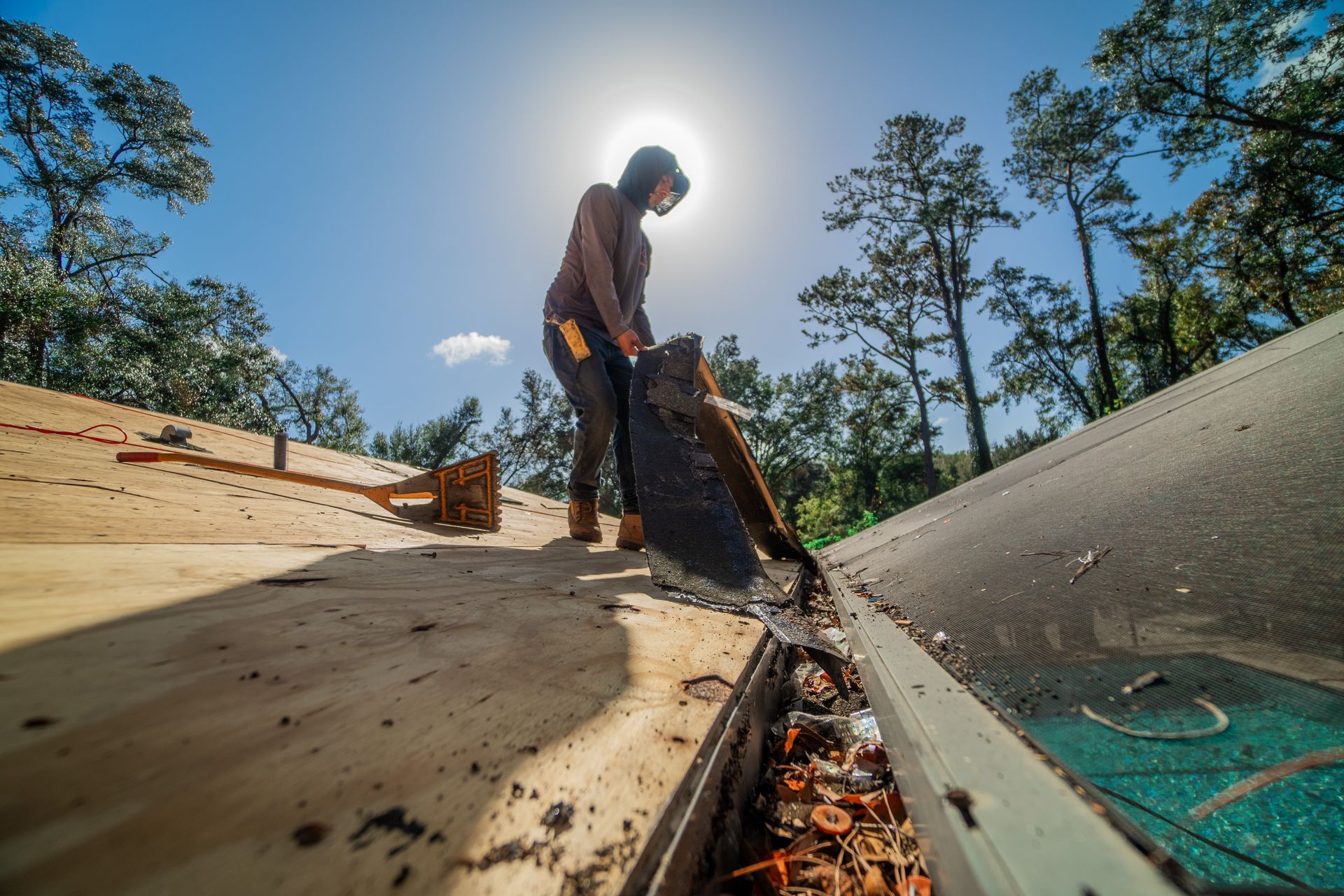
Roofing contractors act as advocates for property owners. They can safely inspect the roof, point out lifted shingles, compromised underlayment, and hidden moisture damage. Choose a contractor experienced in handling insurance claims, as they understand the specific evidence required to meet the insurance provider's criteria.
What are the best practices for maintaining a roof to prevent insurance claim denials?
Preventative maintenance is the best defense against a denied insurance claim. Insurance companies expect homeowners to maintain their properties. A documented history of regular care makes it harder for adjusters to deny claims due to "lack of maintenance" after a storm.
How often should homeowners schedule professional roof inspections?
Florida homeowners should schedule a roof inspection at least once a year, ideally before hurricane season starts. A licensed Florida roofing contractor will check for loose shingles, cracked sealant, clogged gutters, and deteriorating flashing.
Homeowners should also request an inspection after any major weather event. Even if there’s no visible damage from the ground, strong winds can break the seal on shingles, causing leaks later. Catching these issues early prevents bigger problems down the line.
What documentation proves proper roof maintenance?
Keep a file—physical or digital—with all roofing-related records. This should include the initial installation contract, warranties, and receipts for inspections and repairs.
Save all receipts, even for small repairs like cleaning gutters or replacing a single shingle. If an adjuster questions the roof’s condition before the storm, this multi-year file of maintenance records shows the homeowner has fulfilled their responsibilities.
Safeguarding your Florida property with professional roofing solutions
Protecting your home or business involves more than just paying an insurance premium. It requires understanding your policy, acting quickly after storms, and staying committed to regular maintenance. By documenting property conditions and responding promptly to damage, homeowners can set themselves up for success when dealing with insurance providers.
Don’t navigate the complex insurance claims process alone. Partner with an experienced, licensed Florida roofing contractor to ensure damage is accurately assessed, properly repaired, and clearly communicated to the insurance company. Take time now to review your policy, schedule a preventative inspection, and secure your property for the future.
Frequently asked questions about Florida roofing and insurance
How much does a new roof cost in Florida?
The cost of a new roof depends on the property size, roof pitch, and materials. Asphalt shingles are the most affordable, while metal roofing and concrete tiles require a higher investment. Always get detailed estimates from multiple licensed contractors to plan your budget accurately.
How long does a roofing insurance claim take to process?
A typical roofing insurance claim in Florida takes 30 to 60 days from filing to payout. After major storms, claims backlogs can extend this timeline to several months. Hiring a contractor to provide thorough damage reports can help speed up the process.
What are the alternatives if an insurance claim is denied?
If a claim is denied, homeowners can file an appeal and request a second inspection, ideally with their roofing contractor present. If disputes continue, hiring a licensed public adjuster to evaluate the damage and negotiate with the insurance provider is another option.
Who should get a wind mitigation inspection?
Any Florida homeowner looking to lower their property insurance premiums should consider a wind mitigation inspection. This inspection assesses the home’s ability to withstand hurricane-force winds. Features like hurricane clips, impact-resistant doors, and water barriers can qualify homes for significant insurance discounts.
Related Posts