
How a New Roof Boosts Home Value: Real Florida ROI Numbers
Quick answer:
A new roof typically recovers 60% to 68% of its cost at resale nationally, and Florida homeowners often see even stronger returns. In Florida, a new roof does more than improve curb appeal because it can lower insurance premiums, qualify your home for wind mitigation discounts, and make your property far easier to sell or insure in a storm-prone market.
For homeowners and business owners across North Central Florida, a roof is one of the biggest investments in a property, and one of the smartest. A worn or aging roof can scare off buyers, raise insurance costs, and even make a home difficult to insure at all. A new roof flips that equation. It signals that the property is protected, well-maintained, and ready for whatever Florida's weather throws at it.
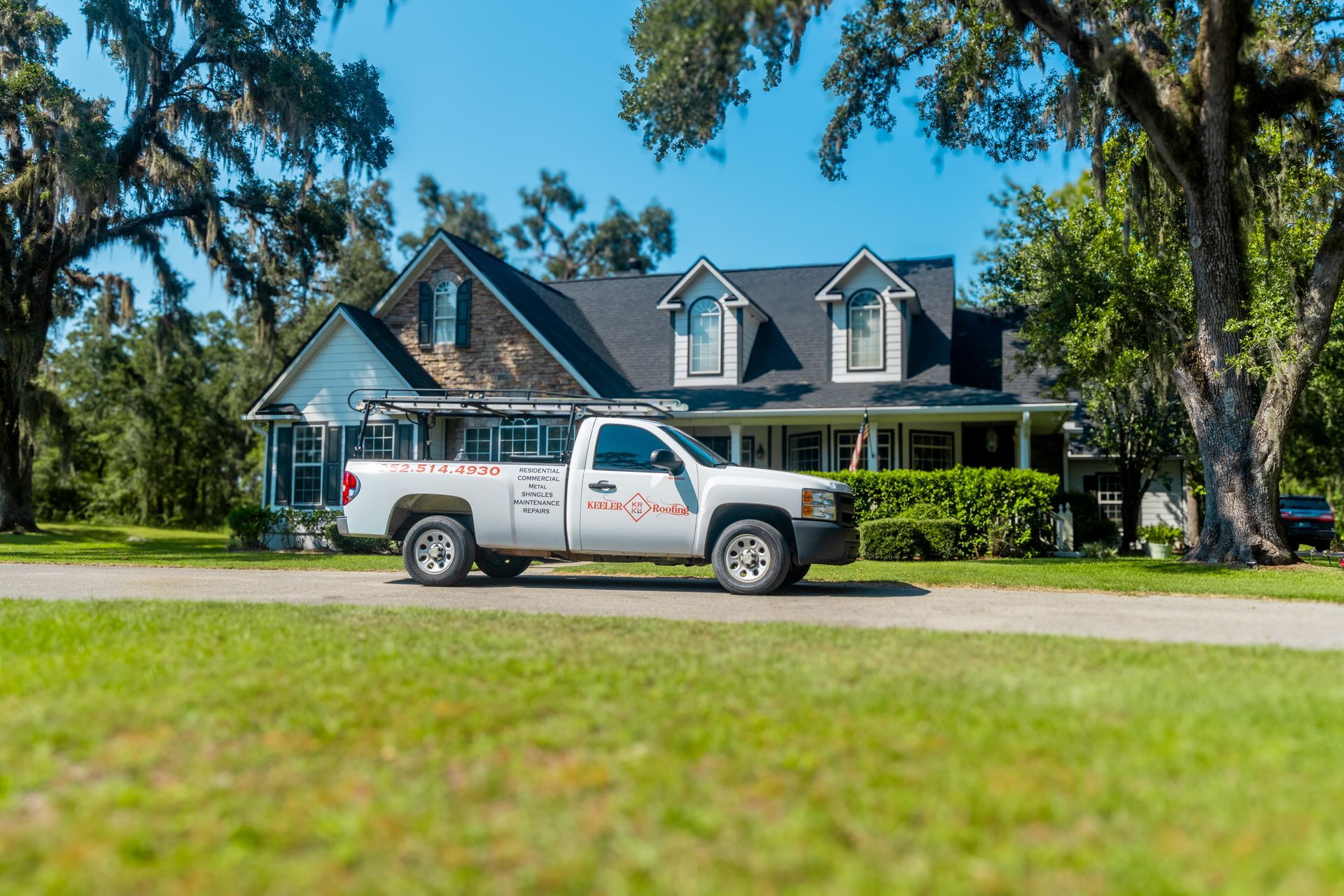
Keeler Roofing, a GAF-certified, family-operated company serving Gainesville, Ocala, and the surrounding area since 2014, has helped thousands of Florida property owners turn an aging roof into a stronger, more valuable asset. Below, you'll find the real numbers behind roof replacement ROI, the Florida-specific factors that make a new roof especially valuable, and how to make the smartest choice for your property.
Does a new roof actually increase home value?
Yes, a new roof increases home value, and the data backs it up. According to Remodeling Magazine's Cost vs. Value Report, an asphalt shingle roof replacement recovers roughly 60% to 68% of its cost at resale nationwide. The 2026 Cost vs. Value data shows asphalt shingle roof replacement delivering about a 61.1% ROI nationally, with even better returns in South Florida.
Some sources report an even wider range. Coastal Roofing of South Florida notes that a quality roof replacement can recover anywhere from 52% to 100% of its cost at resale, making it one of the highest-return exterior improvements a homeowner can make.
Here's the part many homeowners overlook: ROI percentages only tell part of the story. One analysis from Opendoor found that a roof replacement costing $11,500 on average returned roughly $15,247 at resale, meaning the homeowner didn't just recoup the cost, they came out ahead. That kind of return is rare among home improvement projects.
In Florida, the value goes beyond resale math. A new roof affects whether a home can be insured at all, how much that insurance costs, and how quickly the property sells. Those factors make roof replacement one of the most financially sound decisions a Florida property owner can make.
What does a roof replacement cost in Florida?
Roof replacement costs vary based on several factors, but recent data offers a useful benchmark. According to the 2026 SquareDash Roof Replacement Cost Index, the average roof replacement runs about $8,450 for a standard 2,000-square-foot home, based on thousands of completed projects.
For Florida specifically, a full roof replacement typically costs between $9,000 and $18,000 depending on material and roof size, which amounts to roughly 3% to 6% of a home's total value, according to American Roofing FL.
Several factors drive the final price:
Roof size: Larger roofs require more materials and labor.
Materials: Asphalt shingles are the most affordable option, while metal, tile, and slate cost more upfront but often last longer.
Roof pitch and complexity: Steep or multi-angled roofs take more time and safety measures to install.
Existing roof condition: Damaged decking, rot, or structural issues add to preparation costs.
Local labor and permitting: Regional rates, permit fees, and disposal costs all play a role.
Because every property is different, a professional inspection is the only way to get an accurate number. Keeler Roofing provides free estimates within 24 to 48 hours, so homeowners can plan with confidence and no surprises.
Why does a new roof matter more in Florida than in most states?
Florida's climate makes a new roof uniquely valuable. The combination of intense sun, heavy summer rains, and the constant threat of hurricanes puts enormous stress on roofing systems. Buyers and insurers both know this, which is why the condition of your roof carries extra weight in Florida real estate
Here are the Florida-specific reasons a new roof pays off.
It affects whether your home can be insured at all
In recent years, many Florida insurers have grown reluctant to cover homes with older roofs. An aging or damaged roof can lead to higher premiums, non-renewal, or outright denial of coverage. A new roof removes that obstacle, making a home far more attractive to buyers who need to secure affordable insurance before closing.
It can qualify you for wind mitigation discounts
Florida law allows homeowners with wind-resistant roofing features to qualify for insurance discounts. As Progressive explains, Florida residents with wind loss mitigation on their policy may qualify for an extra discount. According to Kin Insurance, qualifying for these discounts requires a roof installed with the proper nails, length, and design to withstand high winds. A new, code-compliant roof is often the key to unlocking these savings year after year.
It boosts buyer confidence and speeds up sales
Florida buyers are savvy about roofs. A new roof tells them they won't face an expensive replacement or an insurance battle right after moving in. That peace of mind can mean a faster sale and a stronger offer.
Are there grants to help pay for a new roof in Florida?
Yes. The My Safe Florida Home Program offers eligible homeowners up to $10,000 in grant money toward roofing and window upgrades, along with a free home hurricane inspection. The program is designed to help Florida homeowners harden their homes against storms, and a stronger roof is central to that goal.
According to program guidelines, 2026 eligibility generally requires that the home was built before 2008, has a value under $700,000, and is the owner's homestead. Combining a grant like this with the long-term insurance savings of a new roof can dramatically improve the overall return on your investment.
Because grant programs change and funding can be limited, it's worth checking current eligibility before you plan a project. A knowledgeable local contractor can help you understand how a new roof fits into these programs.
Which roofing material gives the best return in Florida?
The right material depends on your budget, your property, and how long you plan to stay. Here's how the main options compare for Florida homeowners.
Asphalt shingles
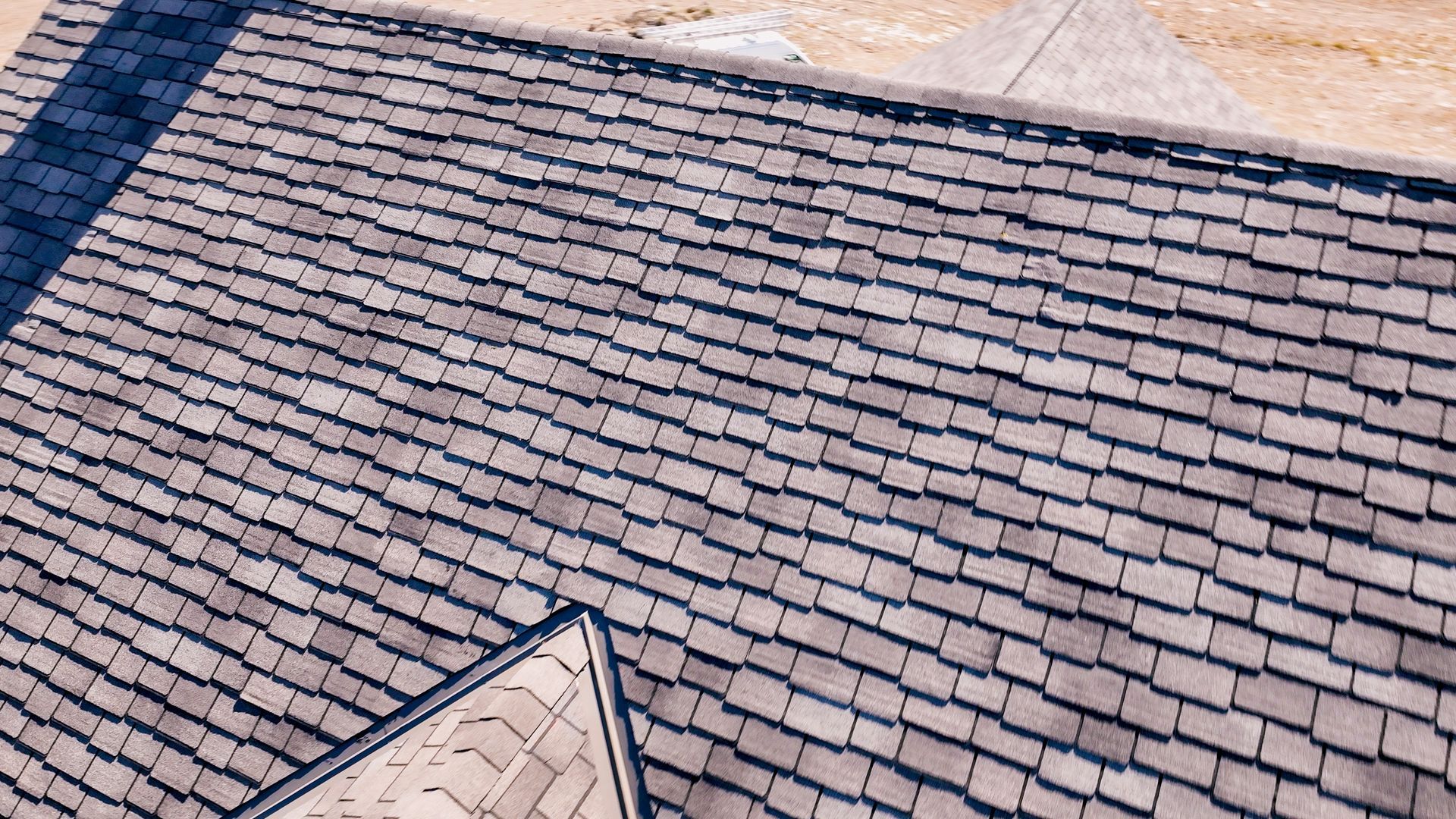
Asphalt shingles are the most popular and affordable choice, and they deliver the ROI figures cited above, around 60% to 68% nationally. For homeowners who want strong value without a premium price, shingles are an excellent fit. Choose asphalt shingles if upfront cost matters most and you want a proven, code-compliant option.
Metal roofing
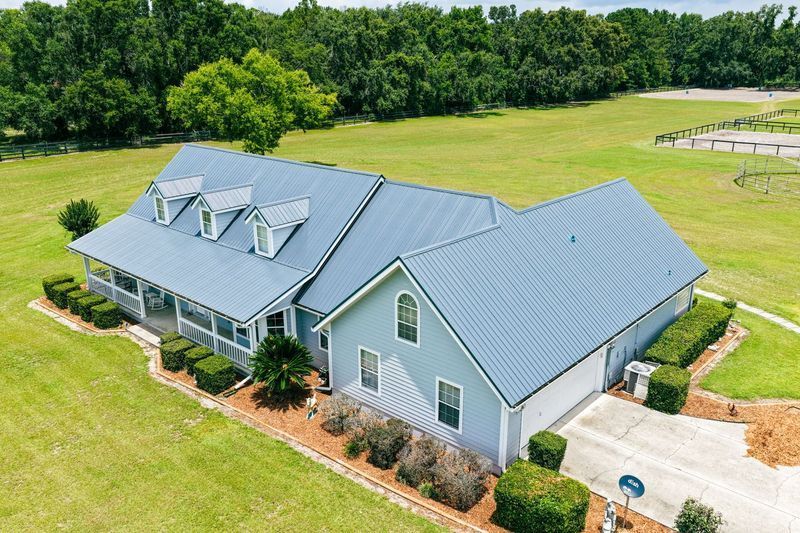
Metal roofs cost more upfront but offer longer lifespans, excellent wind resistance, and strong resale appeal. According to regional South Atlantic Cost vs. Value data referenced by KAM Roofing Services, a metal roof replacement is one of the safest exterior renovations you can fund. Choose metal if long-term durability, energy efficiency, and storm resistance matter more to you than minimizing the initial price, especially if you plan to stay in the home for years.
Keeler Roofing installs both shingle and metal roofing systems, with premium materials selected for Florida's heat, rain, and storms. The right choice comes down to your goals, and a GAF-certified contractor can walk you through the trade-offs.
How long does a roof replacement take?
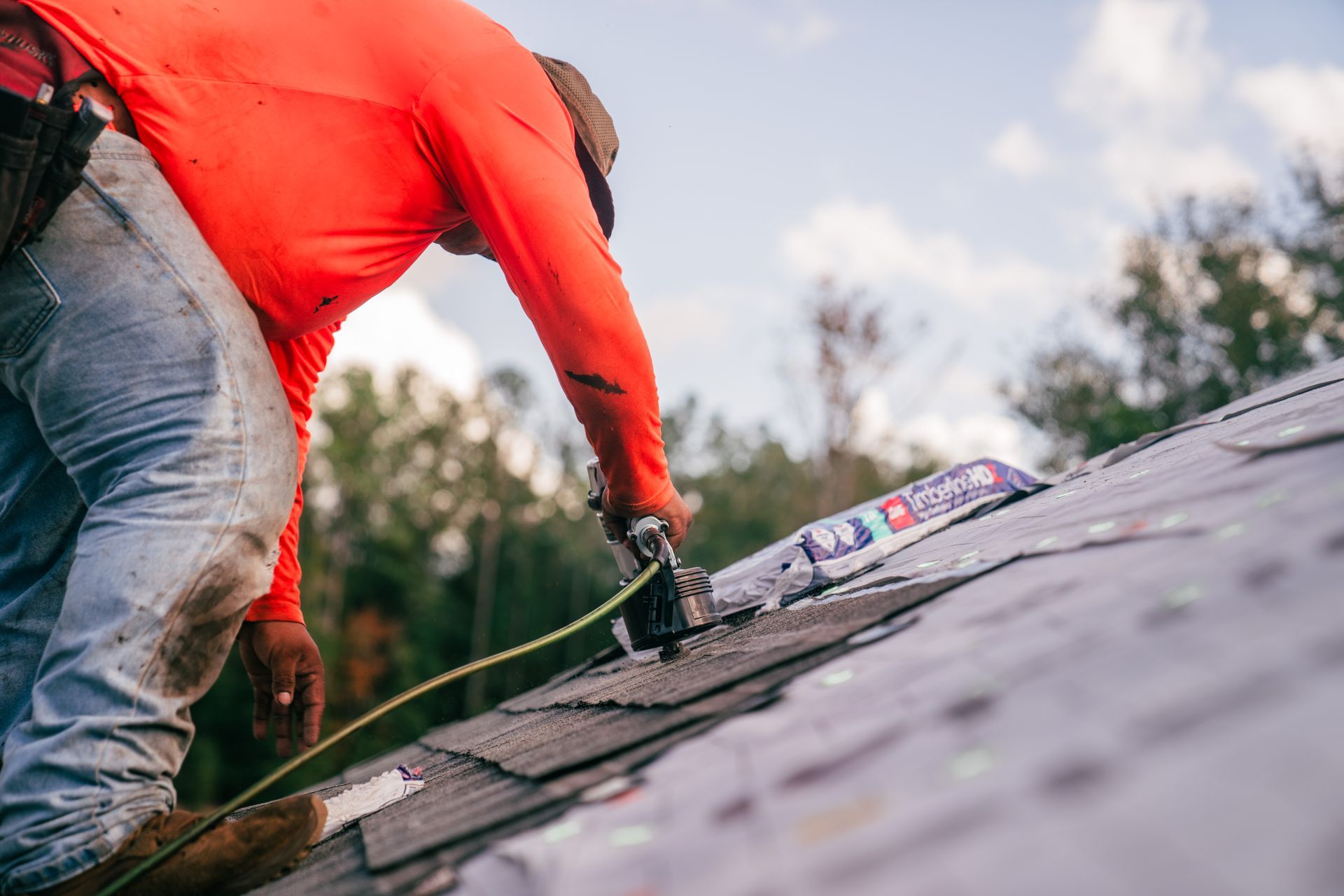
For most Florida homes, a roof replacement is faster than people expect. A standard 2,000- to 3,000-square-foot home with asphalt shingles typically takes one to three days. More complex roofs, specifically those with multiple angles, steep pitches, or features like skylights and chimneys, may take three to five days. Metal roofs generally take two to four days, while tile or slate can take a week or more.
Weather can extend the timeline, since safety and quality come first. The good news for homeowners is that in most cases, you can stay in your home during the project. Keeler Roofing takes careful precautions to protect belongings, minimize disruption, and keep the worksite safe from start to finish.
How to maximize the value of your new roof
A new roof delivers the strongest return when it's done right. Here are a few ways to protect your investment:
Hire a certified, licensed, and insured contractor. GAF certification signals training, quality, and accountability. It also matters for warranty coverage.
Choose code-compliant, wind-resistant features. These can qualify you for insurance discounts and stand up to Florida storms.
Keep your documentation. Save your invoices, warranty paperwork, and wind mitigation inspection report. Buyers and insurers will want to see them.
Maintain the roof over time. Regular inspections and quick repairs extend the roof's life and protect its value.
Quality installation is just as important as the materials. Even premium roofing can underperform if it's not installed to code by an experienced crew.
Turn your roof into your home's strongest asset
A new roof is one of the few home improvements that pays you back in multiple ways. It recovers most, and sometimes all, of its cost at resale. It can lower your insurance premiums and unlock wind mitigation discounts. It makes your home easier to insure and faster to sell. And in a state like Florida, where storms are a fact of life, it delivers peace of mind that's hard to put a price on.
Keeler Roofing has helped homeowners and business owners across Gainesville, Ocala, and North Central Florida protect and improve their properties since 2014. As a GAF-certified, family-operated company with a 4.9 review rating and thousands of completed projects, Keeler Roofing brings local knowledge, premium materials, and flexible financing to every job.
If you're ready to find out what a new roof could do for your property's value, reach out to the team at Keeler Roofing for a free estimate.
Frequently asked questions about Florida roofing and insurance
How much value does a new roof add to a home in Florida?
A new roof typically recovers 60% to 68% of its cost at resale nationally, with reports ranging from 52% up to 100% in some Florida markets. Beyond resale value, a new roof in Florida can lower insurance premiums, qualify you for wind mitigation discounts, and make your home far easier to insure and sell.
Is a new roof worth the cost in Florida?
For most Florida homeowners, yes. A roof replacement costs roughly 3% to 6% of a home's total value but delivers returns through resale value, insurance savings, and faster sales. In storm-prone Florida, a new roof can also be the difference between a home that's insurable and one that isn't.
Will a new roof lower my home insurance in Florida?
It often can. Florida offers wind mitigation discounts for roofs built with the proper nails, design, and wind-resistant features. A new, code-compliant roof can qualify you for these discounts and may also help you avoid premium increases or non-renewal that come with an aging roof.
Are there grants to help pay for a new roof in Florida?
Yes. The My Safe Florida Home Program offers eligible homeowners up to $10,000 toward roofing and window upgrades, plus a free hurricane inspection. The 2026 program generally requires a homestead home built before 2008 with a value under $700,000. Eligibility and funding can change, so check current requirements before applying.
Which roofing material has the best ROI in Florida?
Asphalt shingles offer the best value for most homeowners, delivering roughly 60% to 68% ROI at a lower upfront cost. Metal roofing costs more initially but offers greater durability, wind resistance, and long-term appeal, making it a strong choice if you plan to stay in your home for many years.
How long does it take to replace a roof?
Most asphalt shingle roof replacements on an average Florida home take one to three days. Complex roofs may take three to five days, metal roofs two to four days, and tile or slate a week or more. Weather can affect the timeline. In most cases, you can stay in your home during the work.
Related Posts