
What Florida Property Owners Should Know About Roof Decking Damage
Quick answer: Roof decking is the structural layer beneath your shingles or metal panels. In Florida's climate, it's highly vulnerable to moisture, heat, and storm damage—and replacing a roof without first assessing the decking can lead to serious structural problems down the line. A professional inspection is the best way to determine if your decking needs repair or replacement before installing a new roof.
A roof replacement might seem like a simple fix: remove the old materials, install new ones, and you're done. But there's a critical layer in your roofing system that often gets overlooked—and skipping it can turn a straightforward replacement into a costly project.
That layer is the roof decking.
For homeowners and commercial property owners in Florida, roof decking takes a significant beating. Intense UV exposure, heavy rainfall, hurricane-force winds, and constant humidity wear it down in ways that aren't always visible. While a roof may look ready for new shingles, the decking underneath may already be compromised.
Keeler Roofing has completed over 9,000 roofing projects across Gainesville, Ocala, and North Central Florida since 2014. One key lesson from this experience is clear: the condition of your roof decking is one of the most important—and often overlooked—factors in any roof replacement. Understanding what decking damage looks like, what causes it, and how it impacts your replacement decision puts you in a much stronger position before work begins.
What Is Roof Decking and Why Is It Important
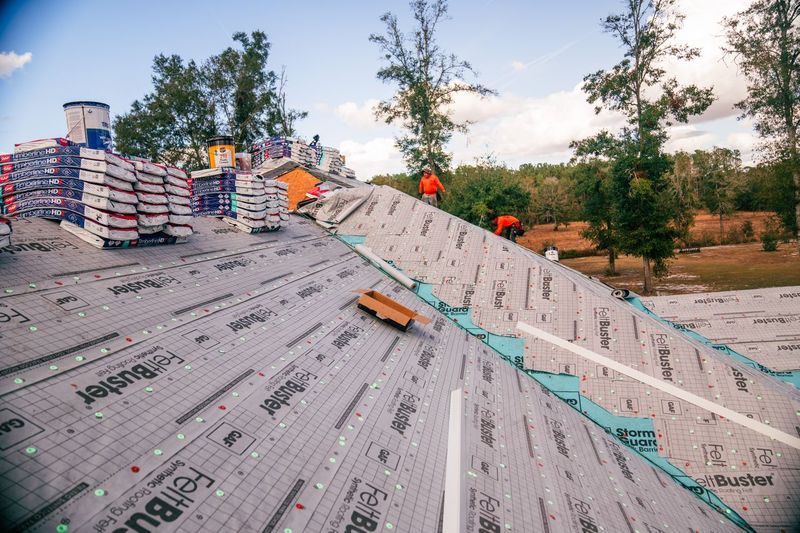
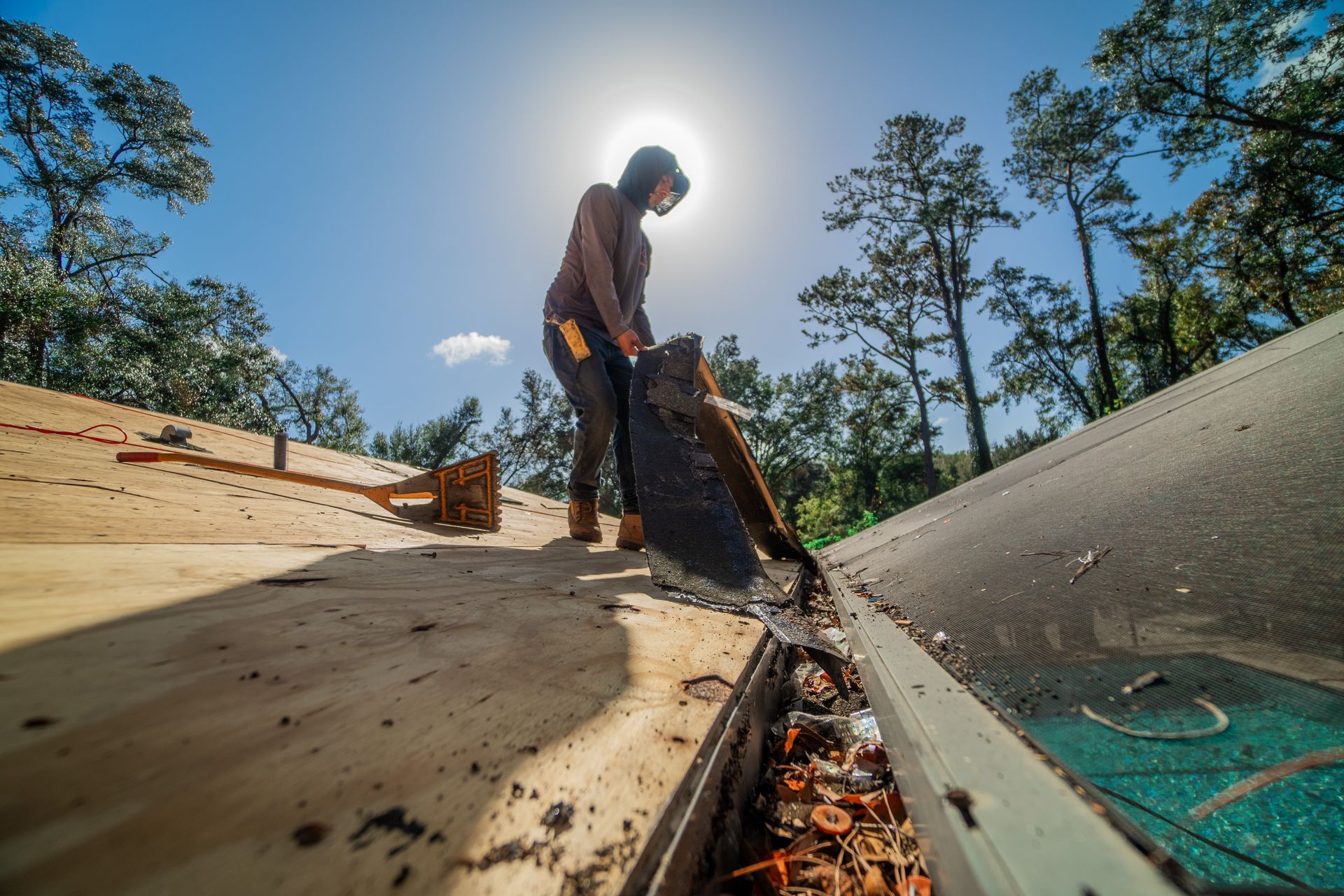
Roof decking, also called roof sheathing, is the flat, solid layer of material that sits directly on your home's rafters or trusses. Everything else—underlayment, shingles, and flashing—is installed on top of it.
Most Florida roofs use oriented strand board (OSB) or plywood for decking. While these materials are engineered for strength, they are vulnerable to Florida's relentless moisture and heat over time.
Decking serves several key purposes:
- Structural support: It evenly distributes the weight of roofing materials across the frame.
- Fastening base: Shingles and panels are attached directly to the decking. If it’s soft or damaged, fasteners won’t hold.
- Wind resistance: A compromised decking layer weakens the entire roof, making it more vulnerable to wind damage.
When decking fails, the problems go far beyond the surface. Water leaks, structural instability, and premature roof failure are all likely outcomes of installing new materials over damaged sheathing.
What Causes Roof Decking Damage in Florida
Florida’s climate is tough on roofing materials. Several factors accelerate roof decking deterioration.
Moisture Exposure
Water is the primary enemy of wood-based decking. Leaks from cracked shingles, damaged flashing, or worn underlayment allow moisture to seep into the OSB or plywood. Over time, the wood swells, weakens, and eventually rots.
Florida’s high humidity makes this worse. Even without visible leaks, elevated moisture levels in the attic can cause the decking to absorb water. Poor attic ventilation compounds the issue.
Heat and UV Damage
Florida averages about 233 sunny days per year—well above the national average. Prolonged UV and heat exposure degrade roofing materials and affect the decking underneath. Repeated heat cycles can cause OSB or plywood to warp or delaminate, creating uneven surfaces that compromise the roofing system.
Hurricane and Storm Damage
High winds from hurricanes or storms can lift shingles or panels, exposing the decking to rain. Just a few hours of exposure during a storm can trigger deterioration. Falling debris, like branches, can also fracture decking, creating weak spots that aren’t immediately visible.
How to Spot Decking Damage Before Replacement
Roof decking damage isn’t always obvious from the ground or even the rooftop. A professional inspection is the most reliable method.
Warning Signs of Damaged Decking
Look out for these signs, which often indicate decking problems:
- Sagging or dipping areas: A sinking roof surface often points to rot or structural weakness in the decking.
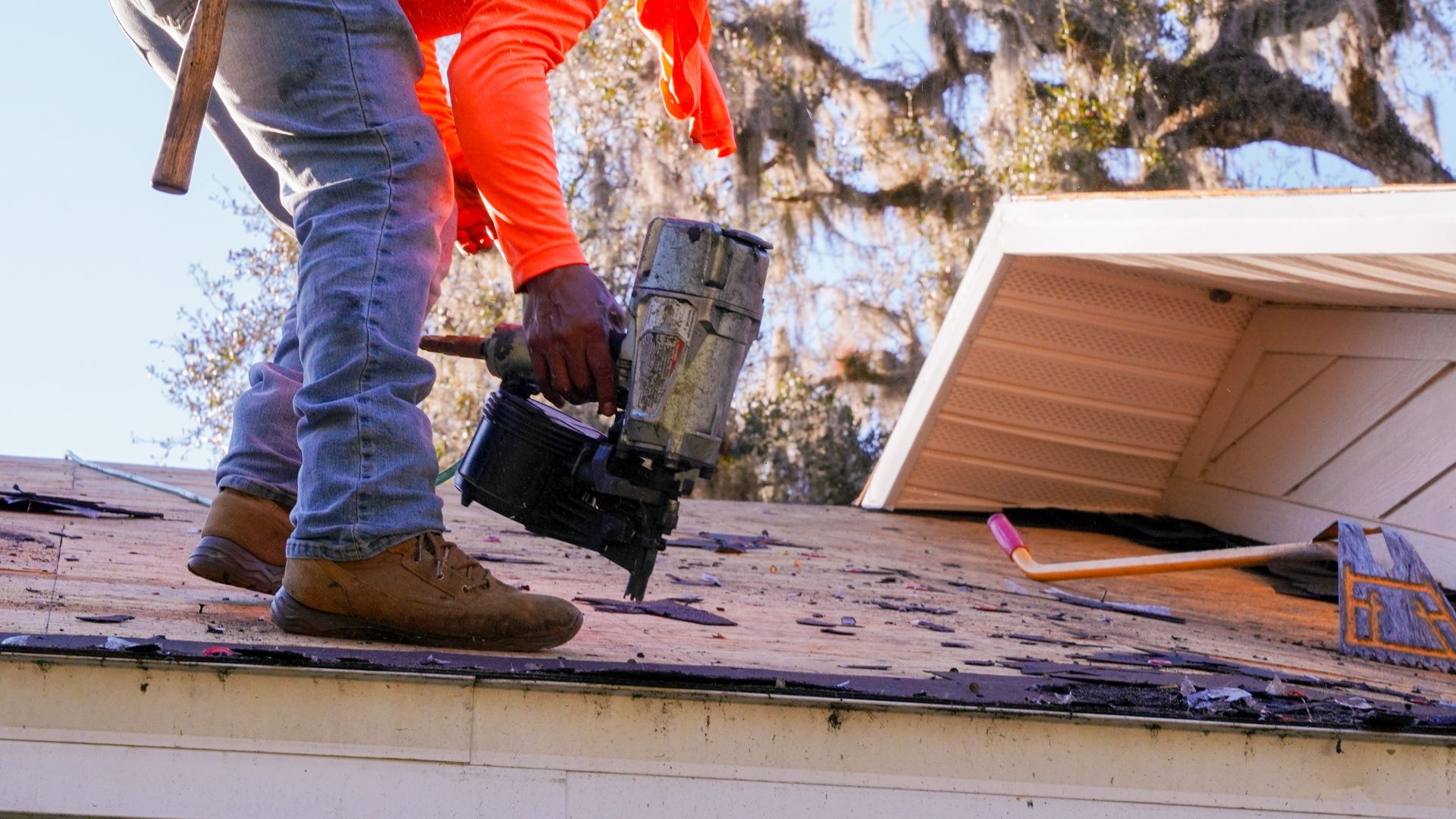
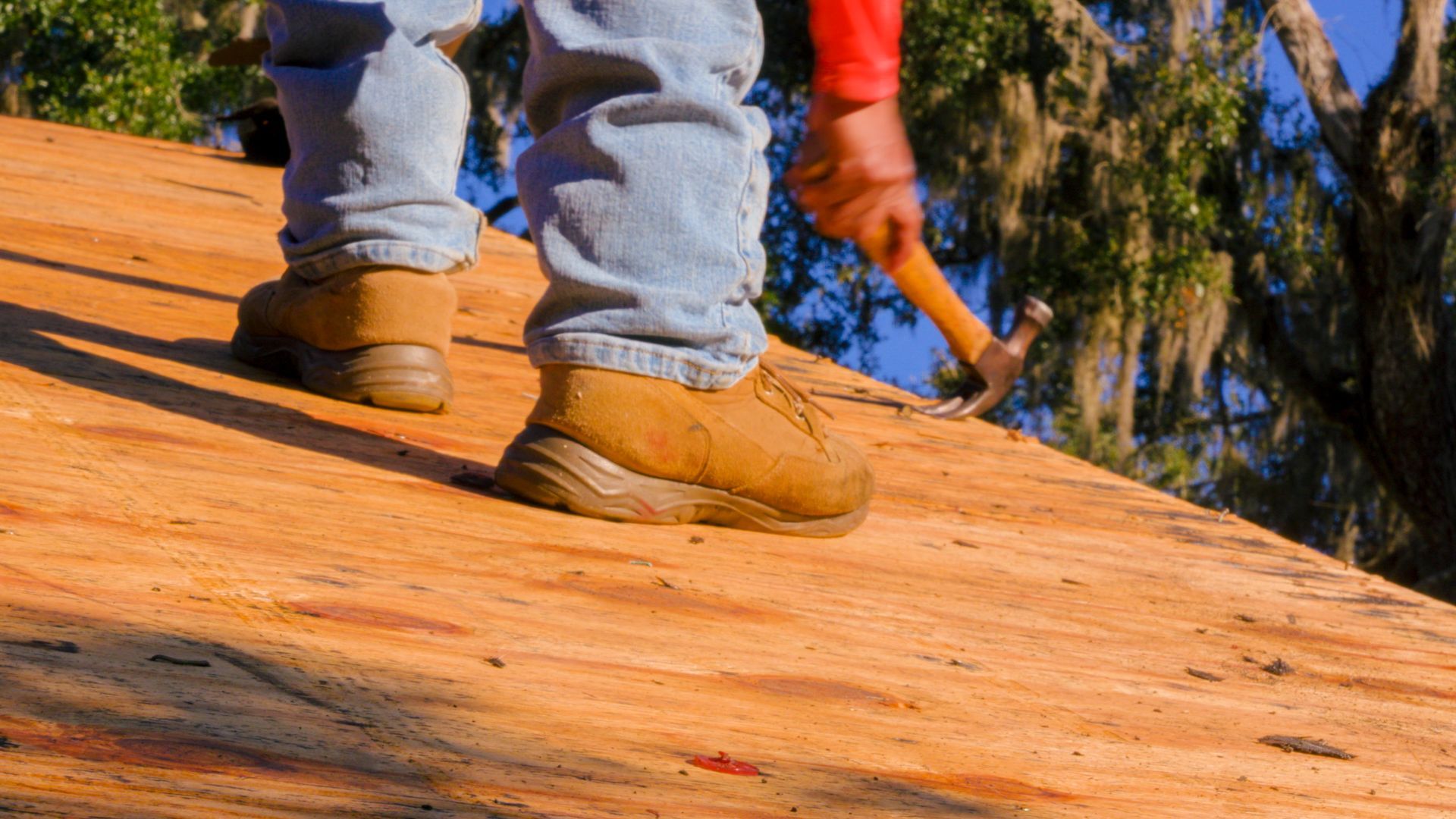
- Soft spots underfoot: Roofers can detect damaged decking by feeling for spongy areas while walking on the roof.
- Dark stains or mold in the attic: Water damage above the attic often signals compromised decking.
- Daylight visible through the attic ceiling: Severe damage may leave gaps in the decking.
- Uneven shingles or rippling: Warped decking causes surface irregularities in the roof above.
These signs shouldn’t be diagnosed from the curb. A professional inspection is essential to confirm the condition of your decking.
Why Ignoring Damaged Decking Is a Costly Mistake
Skipping a decking assessment before a roof replacement can lead to serious issues. New shingles or panels installed over rotted decking won’t fasten securely, especially during hurricane-force winds. Damaged decking also continues to deteriorate, shortening the lifespan of your new roof.
There are warranty implications too. Most roofing manufacturers, including GAF, require structurally sound decking for warranty coverage. Installing over damaged decking can void these warranties.
For commercial property owners, the risks are even higher. Decking failures can cause water damage, disrupt operations, and lead to expensive repairs.
How Is Roof Decking Assessed and Repaired
Professional roof inspections evaluate decking as part of the overall roofing system, including:
- Checking for soft spots on the roof surface
- Inspecting the attic for water damage and weakened decking
- Assessing the condition of underlayment between the decking and roofing materials
If damage is found, the repair approach depends on its extent:
- Localized damage: Small sections of damaged decking can be replaced without affecting the rest of the roof.
- Widespread damage: Significant deterioration requires full decking replacement before new roofing materials are installed.
Keeler Roofing ensures every decking issue is identified and addressed before starting replacement work, so you know exactly what to expect.
How Does Decking Condition Impact Roof Replacement Costs
Replacing damaged decking adds to the total cost of a roof replacement. Localized repairs are relatively affordable, but full replacement across a large roof is more expensive. However, addressing decking damage upfront prevents larger costs down the road, including premature roof failure and repeated repairs.
Keeler Roofing offers flexible financing options to help manage project costs. All installations include warranties on materials and workmanship, provided the decking meets necessary standards.
Why Florida’s Building Codes Make Decking Inspections Essential
Florida's strict building codes address decking thickness, fastening patterns, and structural integrity to improve wind resistance in hurricane-prone areas. Licensed, GAF-certified contractors like Keeler Roofing work within these codes to ensure compliance and long-term performancence.
Make the Right Call for Your Florida Roof
Roof decking might not be visible, but its condition plays a critical role in the durability and safety of your roof. Before replacing your roof, always have the decking inspected by a qualified roofing professional. Addressing any damage as part of the project ensures a safe, long-lasting result.
Keeler Roofing provides free inspections, often within 24 to 48 hours, across Gainesville, Ocala, and North Central Florida. With over 9,000 completed projects and a 4.9-star review rating, our team delivers honest, expert assessments to guide your roofing decisions.
Get your free estimate from Keeler Roofing today.
Frequently Asked Questions About Roof Decking in Florida
What is roof decking made of, and how long does it last?
Most roofs use OSB or plywood decking, which can last 20 to 30 years with proper care. Moisture and storm damage, however, can shorten its lifespan.
Can I spot decking damage from inside my home?
Sometimes. Water stains, mold, or musty smells in the attic may point to damaged decking. In severe cases, you might see sagging or daylight through the attic ceiling.
Will homeowner’s insurance cover damaged decking
It depends on the cause. Storm-related damage is often covered, but gradual wear or poor maintenance typically isn’t. Check your policy for details.
How much does it cost to replace roof decking in Florida?
Costs vary based on damage severity and roof size. Localized repairs are more affordable, while full decking replacement is a bigger expense. Keeler Roofing provides detailed, free estimates.
Is decking replacement always necessary?
No. If the decking is structurally sound and meets building codes, it doesn’t need replacement. A professional inspection determines its condition before a roof replacement.
How do Florida's building codes affect decking requirements?
Florida’s codes mandate specific decking standards, especially in hurricane-prone areas. Certified contractors ensure compliance for safety and durability.
Related Posts