
Metal Roof vs. Architectural Shingles for Florida Homes in 2026
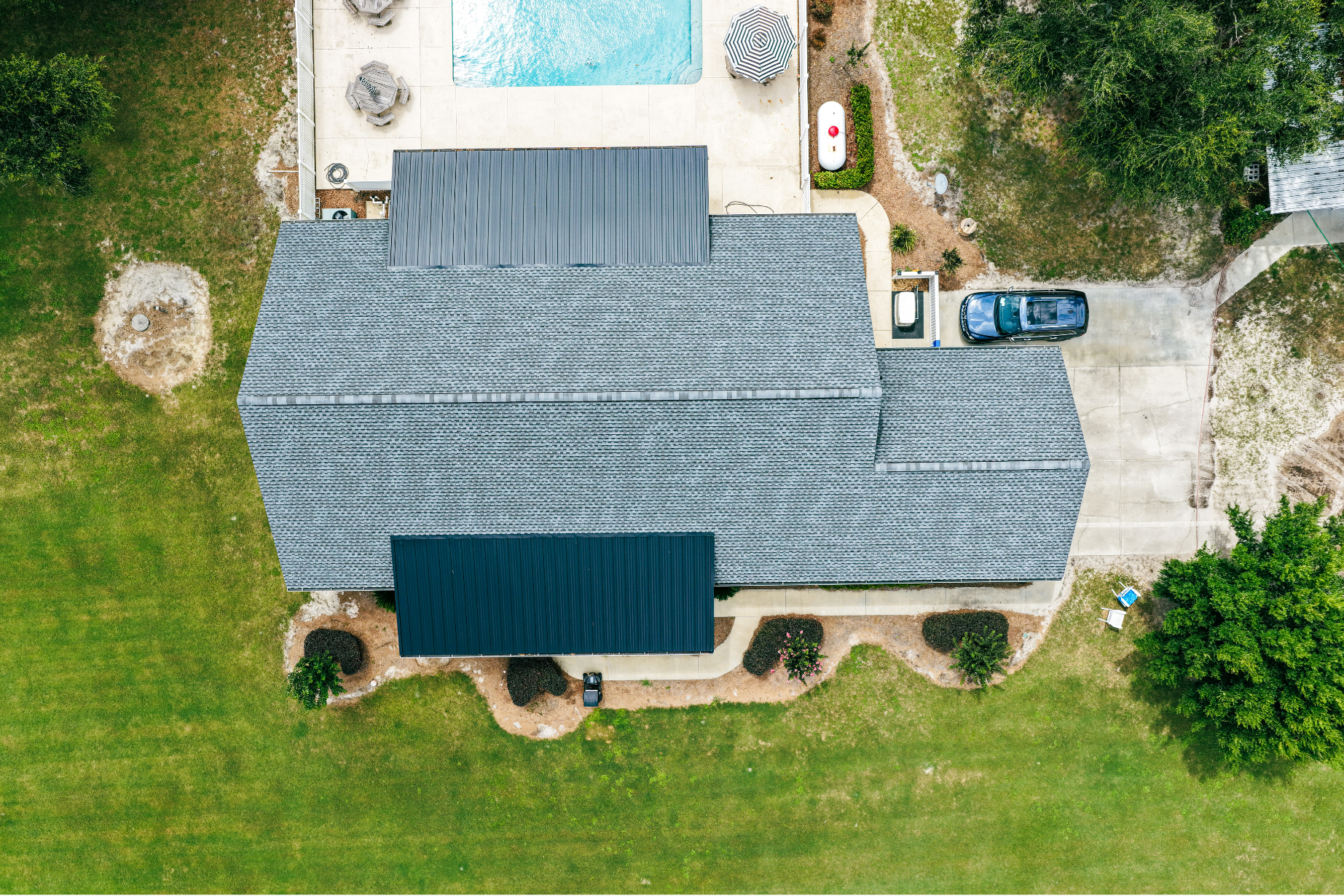
For Florida homes in 2026, metal roofs provide superior hurricane resistance and a 50-year lifespan, making them ideal for long-term property owners. Architectural shingles are better suited for homeowners who prioritize lower upfront costs and easier repairs. Choose metal if durability is more important than initial expenses.
Florida homeowners face unique environmental challenges. Extreme heat, intense UV exposure, and the constant threat of hurricanes put significant stress on roofing materials. Choosing the right roofing material goes beyond curb appeal—it's a critical financial decision that affects property value, insurance eligibility, and energy costs.
In 2026, stricter building codes and insurance requirements have made construction choices more important than ever. The debate often boils down to two leading options: durable metal roofs and versatile, aesthetically pleasing architectural shingles.
What Are the Structural Differences Between Metal Roofs and Architectural Shingles?
Understanding the makeup of these materials is key to determining which one is best for Florida’s climate.
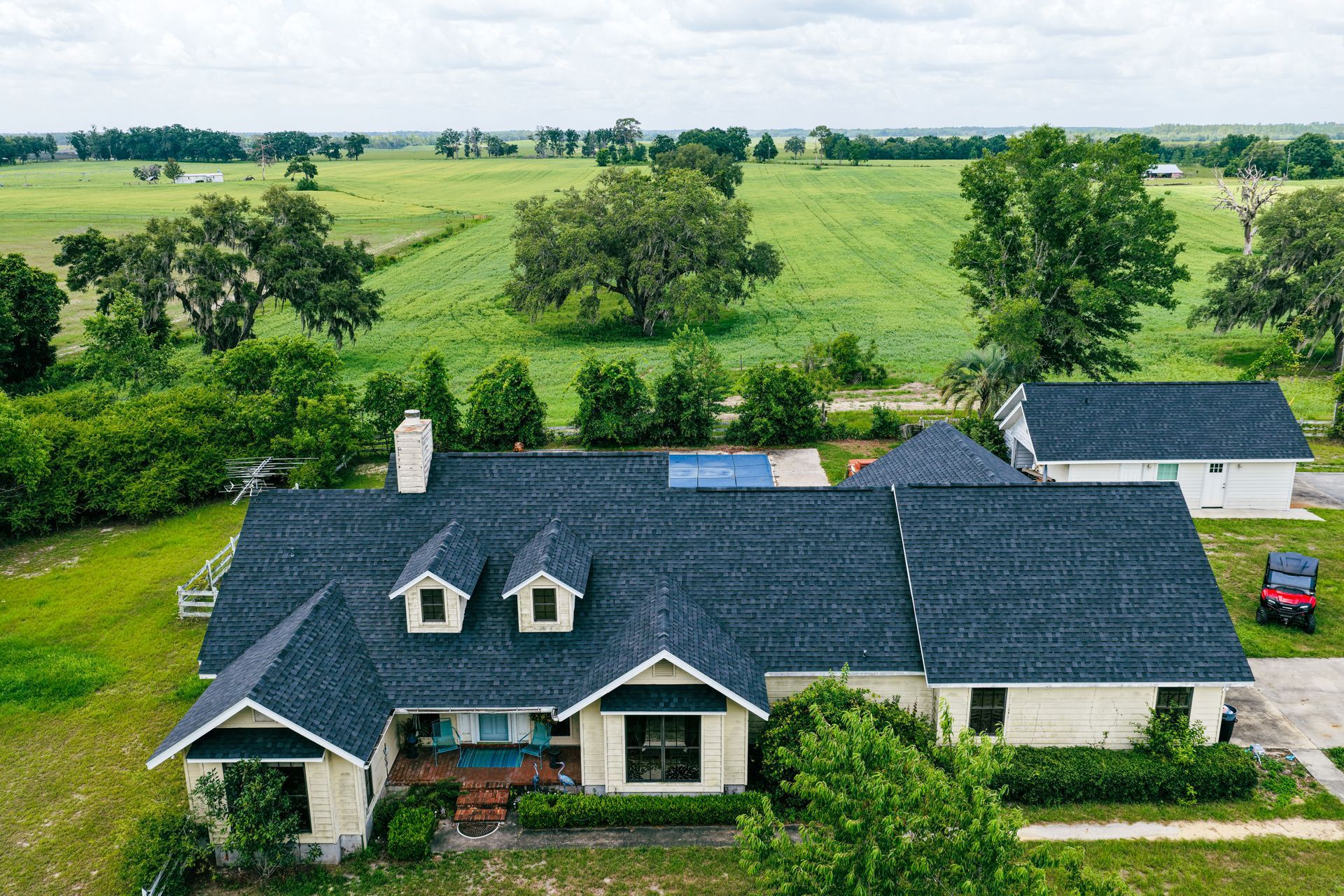
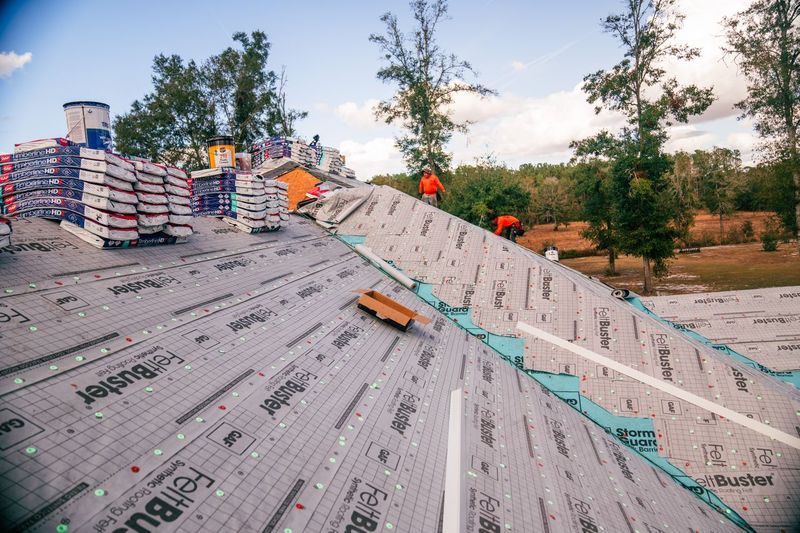
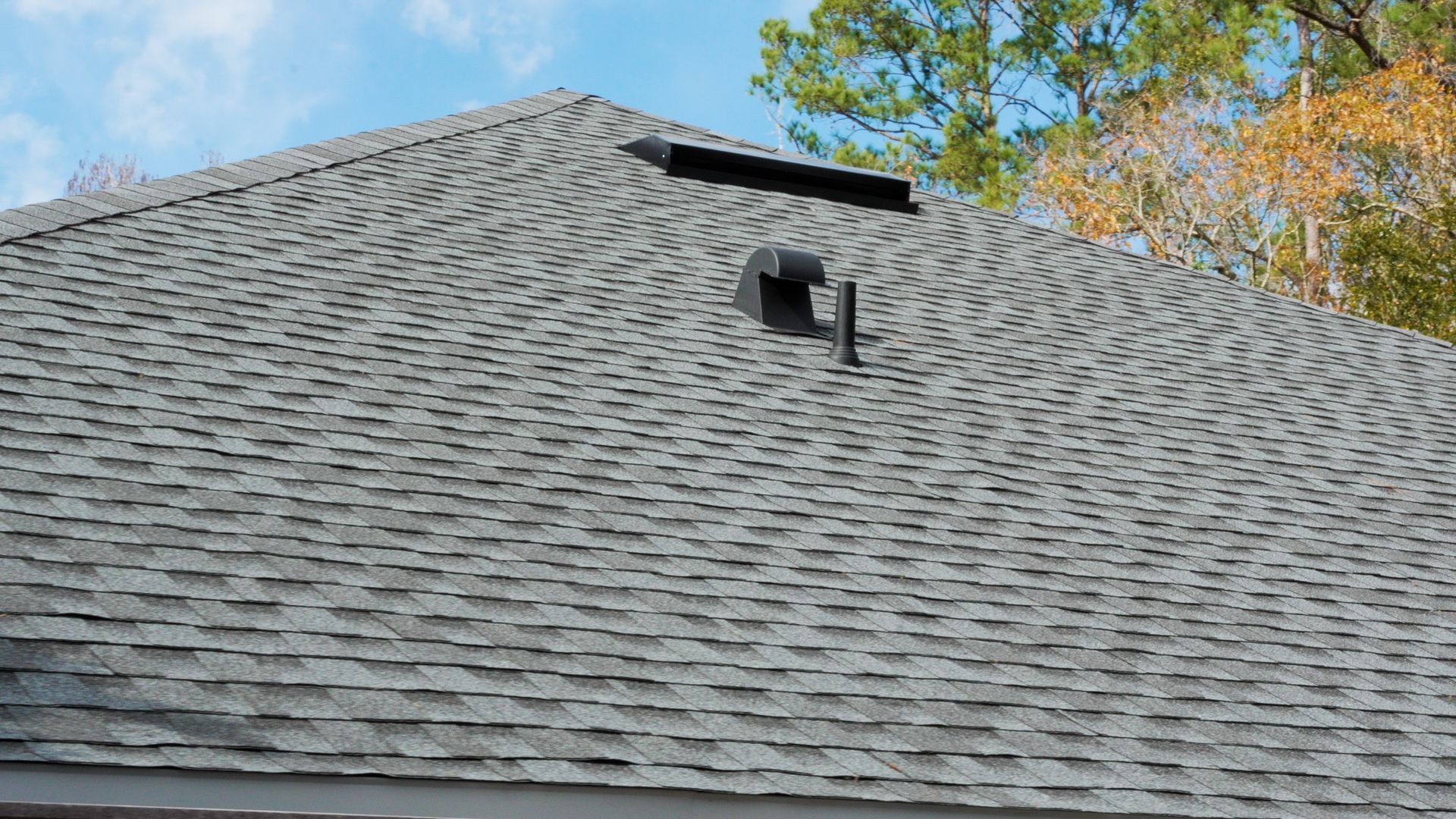
Architectural shingles, also called dimensional shingles, are an upgrade from traditional three-tab asphalt shingles. They’re made with a heavy fiberglass mat base coated with asphalt and topped with ceramic-coated mineral granules. This layered construction creates a thick, dimensional look that mimics wood shakes or slate and provides excellent water resistance and protection from heavy rain.
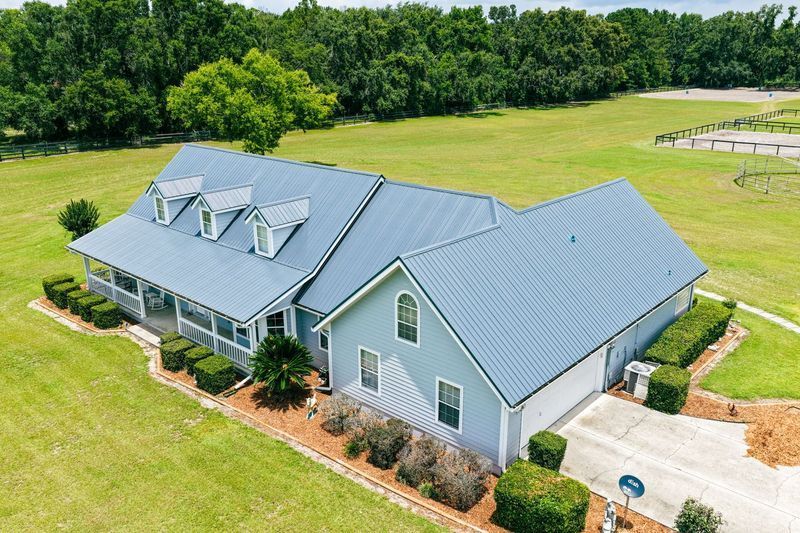
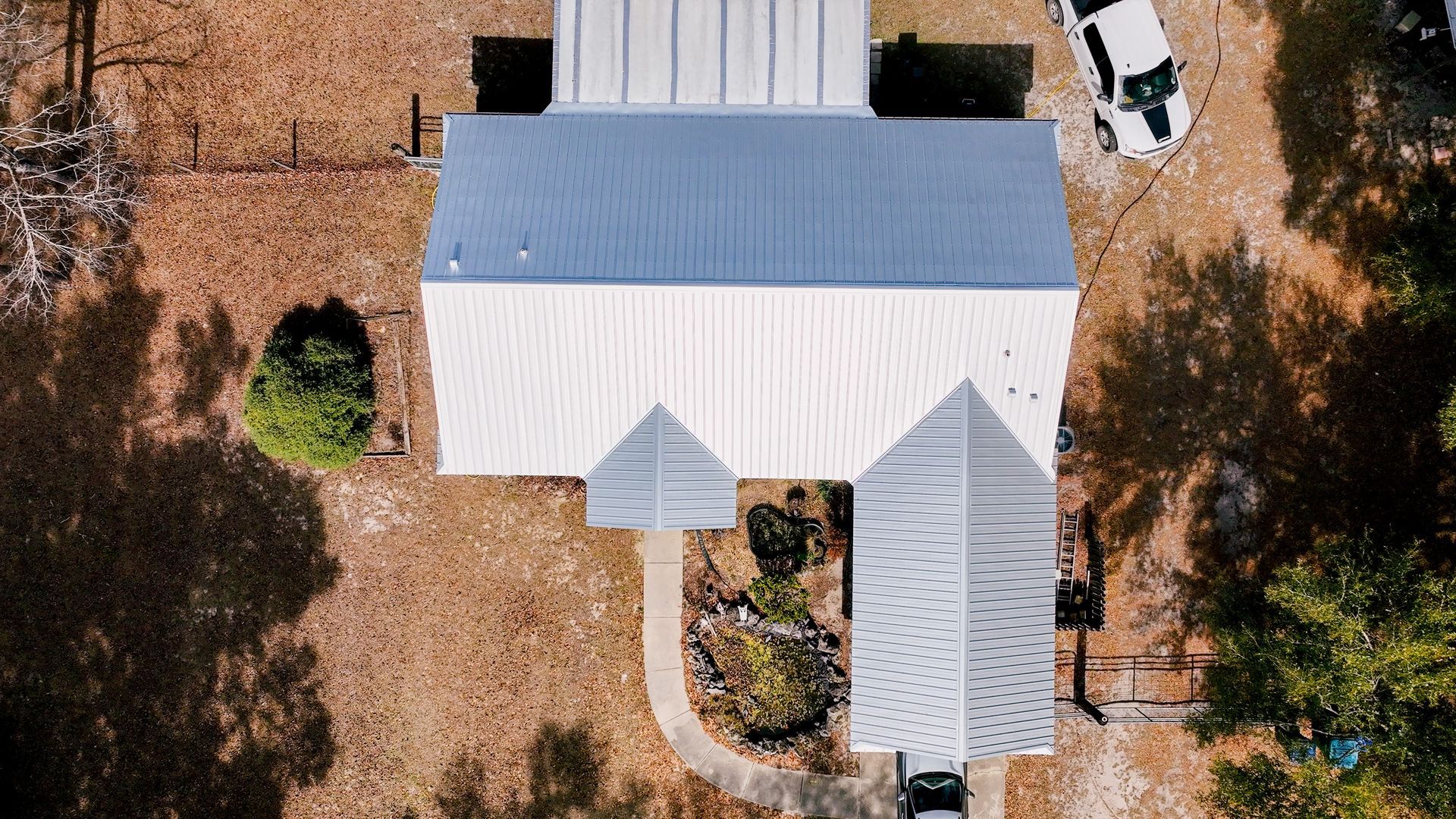
Metal roofs, especially standing seam varieties recommended for residential use, consist of large, interlocking steel or aluminum panels. These panels conceal fasteners to prevent water intrusion and are treated with zinc and aluminum (Galvalume) to resist rust, followed by a durable paint finish. The smooth, rigid surface sheds water instantly, creating a strong barrier against the elements.
Choose architectural shingles if you prefer a traditional aesthetic that blends into established neighborhoods. Opt for metal roofs if you want a modern, low-maintenance option that offers decades of durability.
Which Roofing Material Offers Better Hurricane Resistance?
A strong roof is your home’s first defense against hurricane damage. Wind uplift and flying debris are the biggest concerns during a storm.
Metal roofs excel in wind resistance. Properly installed standing seam metal roofs can handle wind gusts over 150 mph, exceeding the requirements for a Category 4 hurricane. Their large, interlocking panels resist being lifted by wind, and their impact resistance makes them less likely to crack or puncture from debris.
Architectural shingles also perform well but have lower thresholds for extreme conditions. High-quality shingles can withstand winds of 110–130 mph, but hurricane-force winds can still lift their edges. Once one shingle is compromised, others can be displaced, potentially leading to widespread damage.
For coastal properties or homes in high-velocity hurricane zones, metal roofs offer better protection during Florida’s storm season.
How Do Upfront Costs and Long-Term Value Compare in 2026?
Budget is a key factor in any project, so it’s important to consider both initial installation costs and long-term value.
In 2026, architectural shingles remain the more affordable option for initial installation. Costs range from $5.00–$8.00 per square foot, including labor and materials. This budget-friendly option is ideal for homeowners planning to sell within 5–7 years. However, shingle roofs in Florida typically last 15–20 years under the intense sun.
Metal roofs, on the other hand, require a larger upfront investment. Standing seam metal roofs cost $12.00–$18.00 per square foot, depending on roof complexity and material choice. However, they offer a significantly longer lifespan, lasting 40–70 years with proper maintenance.
For homeowners planning to stay in their property for more than two decades, metal roofs can save money in the long run by avoiding the need for roof replacement.
How Does Roofing Choice Impact Energy Efficiency?
Florida’s hot summers make energy efficiency a top priority. Your roof plays a major role in how much heat enters your home.
Metal roofs are naturally reflective and often coated with "cool roof" pigments that deflect solar heat. This helps reduce cooling costs by 10–25% annually, as less heat enters the building and eases the workload on your air conditioning.
Architectural shingles, however, tend to absorb and retain heat due to their asphalt base and mineral granules. While some lighter-colored shingles with reflective properties are available, they can’t match the thermal performance of metal.
Choose metal roofs if reducing energy bills and lowering your carbon footprint are key goals.
How Do Insurance Rates Impact Roofing Choices?
Safety is the top priority after significant property damage. Homeowners should arrange for emergency mitigation, like placing a tarp over exposed areas, to prevent further interior water damage. Failing to act can give the insurance company grounds to deny parts of the claim.
Next, document everything. Take clear, well-lit photos and videos of the exterior roof damage, as well as any interior water stains or damaged belongings. Gather all historical roofing documents, like the original installation contract, recent inspection reports, and repair receipts. These records prove the roof was in good condition before the weather event.
Making the Best Roofing Investment for Your Florida Home
Choosing the right roof for your Florida property in 2026 depends on balancing your budget with long-term goals. Architectural shingles are an attractive, affordable solution for short-term investments or a traditional aesthetic.
However, for maximum hurricane protection, energy efficiency, and insurance benefits, metal roofs are the better choice. Though they come with higher upfront costs, their durability and low maintenance provide unmatched peace of mind.
Frequently asked questions about Florida roofing and insurance
How long does it take to install a metal roof compared to shingles?
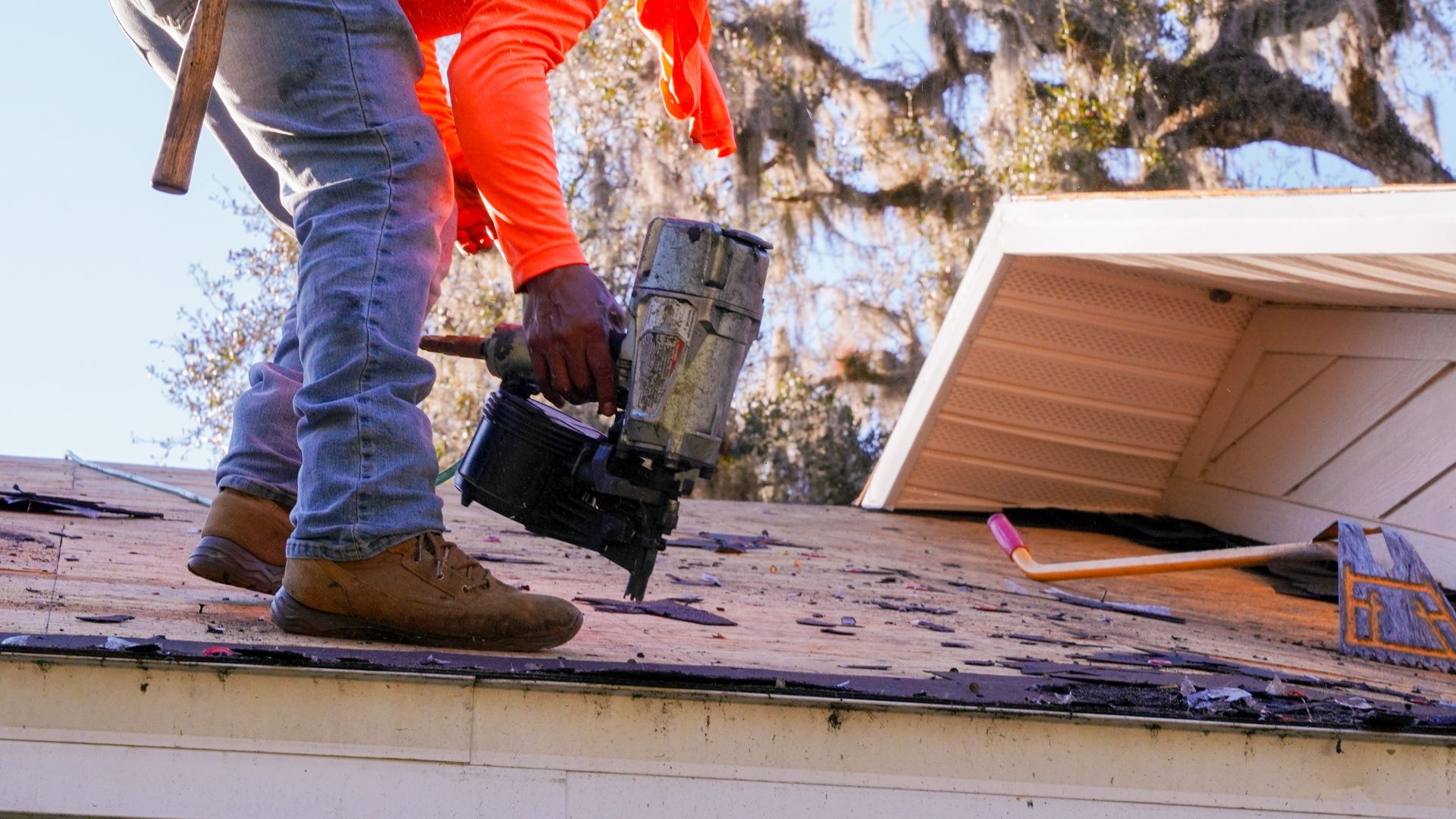
Architectural shingles are quicker to install, typically taking 2–3 days for a standard home. Metal roofs require more precision, taking 5–7 days due to the careful alignment and cutting of panels.
Are metal roofs louder during rain?
No, modern metal roofs are not noisier than shingles. When installed over a solid deck with proper insulation, the sound of rain is significantly muffled.
Can metal roofs be installed over existing shingles?
While Florida codes may allow metal roofs to be installed over a single shingle layer, most contractors recommend removing the old roof to inspect the deck for damage and ensure a solid foundation.
What is the lifespan of these roofs in coastal environments?
In coastal areas, architectural shingles last 15–20 years. Aluminum standing seam metal roofs are ideal for coastal Florida, lasting 40–50 years with excellent resistance to rust and saltwater.
Related Posts