
5 Signs Your Roof Didn’t Survive the Last Storm and What to Do About It
A S • April 24, 2026
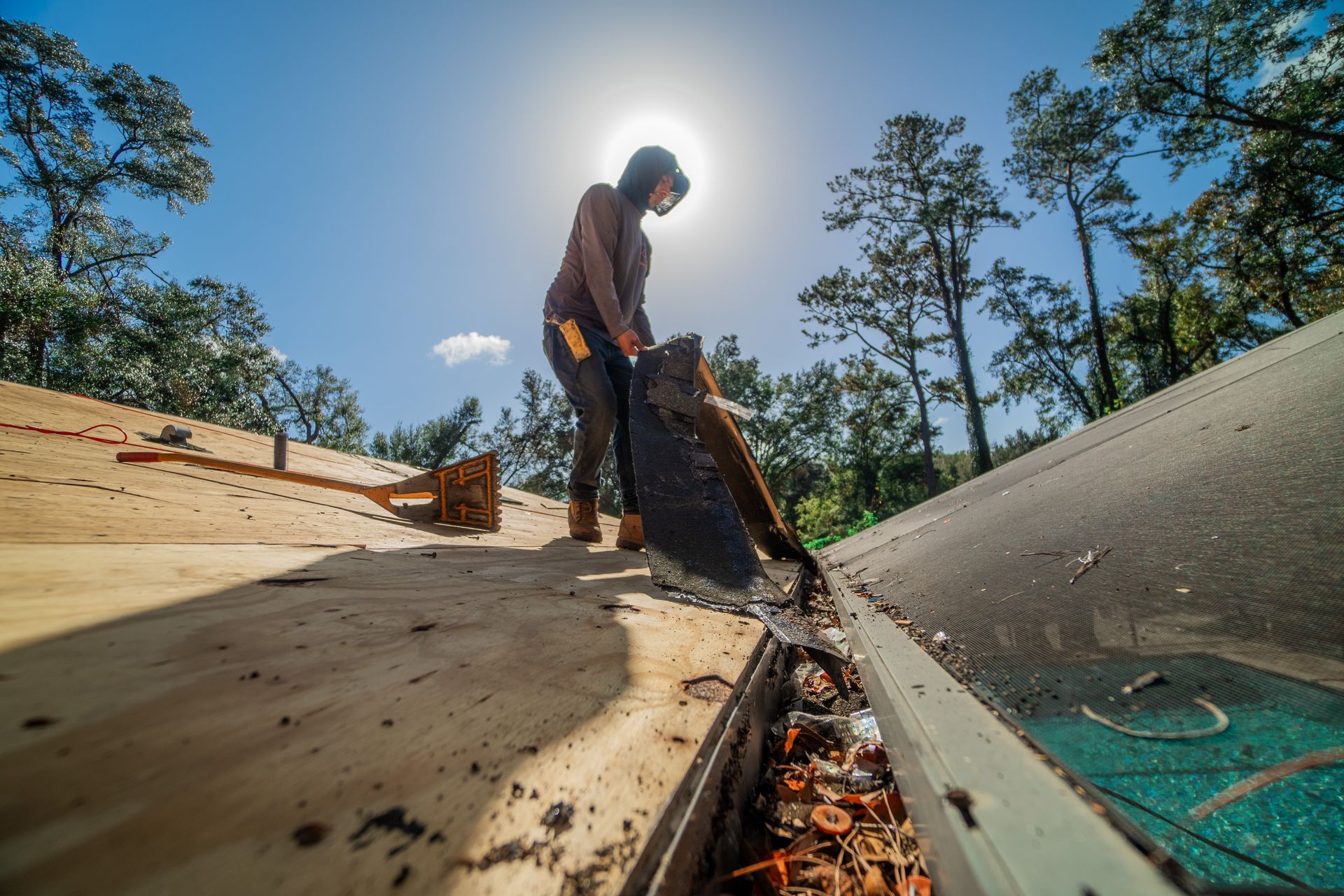
Worried your roof may have been damaged in the last storm? Learn the 5 warning signs homeowners miss and what to do next to avoid costly repairs. Schedule a professional roof inspection today.
Even a quick passing storm can leave behind damage you might not notice right away.
Many Florida homeowners assume that if they do not see shingles in the yard or water dripping from the ceiling, their roof must be fine. Storm damage often starts small and worsens quietly until a minor issue becomes structural damage, mold growth, or an insurance dispute.
If your home experienced high winds, heavy rain, or flying debris recently, here are five signs your roof may not have survived as well as you think and what to do about it before the next storm hits.
1. Missing, Lifted, or Creased Shingles
High winds don’t always remove shingles entirely. In many cases, they weaken the adhesive seal that holds shingles in place, causing lifting, curling, or structural creasing. From the ground, this type of damage may not be obvious, but compromised shingles can leave your roof more vulnerable during future storms.
When shingles are compromised, they lose their ability to properly repel water and withstand future wind events. Common signs of wind-related shingle damage include:
- Shingles that are completely missing, exposing darker underlayment beneath.
- Corners or edges that appear lifted or uneven along the roofline.
- Visible creases running horizontally across shingles after high winds.
- Granules are collecting in gutters or at the base of downspouts.
Addressing these issues before storm season can significantly reduce the risk of major roof damage.
What to do:
Homeowners should avoid climbing onto the roof themselves, as storm-damaged areas may be unstable or unsafe to inspect without proper equipment. Schedule a professional inspection to determine whether the damage is isolated or widespread. Early repairs are far less expensive than full-section replacements.
2. Water Stains on Ceilings or Walls
Interior warning signs often appear days or even weeks after a storm. By the time you see discoloration, moisture has already traveled through the roofing system and into your attic or drywall.
Even faint stains should be taken seriously. They often indicate slow, ongoing intrusion rather than one-time exposure. Warning signs to watch for include:
- Light brown or yellow ceiling stains that gradually expand.
- Bubbling paint or peeling drywall near exterior walls.
- Soft spots when gently pressing on the ceilings.
- Musty odors that were not present before the storm.
What to do:
Document the affected areas with photos and schedule a professional roofing inspection as soon as possible. Waiting can turn a repairable leak into structural damage and mold remediation.
3. Debris Damage and Impact Marks
Florida storms frequently send branches, palm fronds, and airborne debris onto roofs. Even if nothing penetrates the surface, impact damage can weaken shingles or crack protective layers.
The issue is that impact damage is not always dramatic. It may appear as subtle bruising that shortens the lifespan of the material. After a storm, inspect your property for:
- Branches or heavy debris that landed on the roof.
- Dented flashing or metal components.
- Shingles with visible cracks or exposed fiberglass backing.
Areas that look slightly darker or uneven compared to the surrounding shingles.
What to do:
Have a contractor evaluate whether the impact compromised waterproofing. Some damage may qualify for insurance coverage if properly documented.
4. Clogged or Detached Gutters
Gutters play a major role in protecting your home by directing rainwater away from the roof and foundation during heavy storms. When gutters become clogged or pull away from the roofline during heavy rainfall, water may back up under shingles or overflow near the roof edge, increasing the risk of damage.
After a major storm, drainage systems often suffer hidden strain. Check for these common issues:
- Gutters are pulling away from the fascia board.
- Water is overflowing instead of flowing through the downspouts.
- Large amounts of granules are collected in the gutter channels.
- Standing water is pooling near the roof edge.
What to do:
Clean and secure gutters as soon as possible. If granule loss is excessive, have your shingles evaluated for storm-related wear.
5. Sagging Areas or Soft Spots
Visible sagging or soft areas on a roof are among the most serious indicators of storm-related damage and should be evaluated immediately. If a section of your roof appears uneven, dips slightly, or feels soft when inspected by a professional, it may indicate moisture intrusion beneath the surface.
Storm-driven rain can penetrate vulnerable areas of the roofing system and weaken decking materials. Structural warning signs may include:
- Visible dips along rooflines when viewed from the street.
- Interior ceilings that feel soft or spongy.
- Attic insulation that appears damp or compressed.
- Persistent humidity or mold growth in the attic.
What to do:
This requires immediate professional evaluation. Structural issues worsen quickly and can dramatically increase repair costs if ignored.
Why Acting Quickly Protects You Financially
Many homeowners delay inspections because there is no obvious emergency. Unfortunately, insurance providers often deny claims when damage is reported months after a storm without clear documentation linking it to a specific weather event.
Scheduling an inspection soon after a storm provides several important advantages:
- Professional documentation of storm-related damage.
- A clear understanding of whether filing a claim makes sense.
- The ability to repair small issues before they become major expenses.
- Peace of mind heading into the next storm cycle.
Proactive homeowners consistently spend less over time than reactive ones.
Schedule a Professional Roof Inspection Before the Next Storm
If your home recently experienced severe weather, do not rely on assumptions. Even minor damage can shorten your roof’s lifespan and lead to costly repairs later.
Keeler Roofing provides professional inspections designed to identify storm damage early, document findings clearly, and help homeowners make confident next steps. Whether you need minor repairs or guidance on an insurance claim, our team is here to help.
Schedule your roof inspection today and make sure the last storm did not leave behind a bigger problem than you realize.
Related Posts

Not sure if your roof needs a repair or a full replacement? Keeler Roofing explains the key differences, warning signs, and how to make the right decision for your Florida property.
A lifetime roofing warranty doesn’t mean full coverage forever. Learn what’s included, what voids coverage, and what to look for from Keeler Roofing in Florida.
Poor attic ventilation shortens your roof's lifespan. Learn how proper airflow protects Florida roofs from heat, moisture, and early failure, brought to you by Keeler Roofing.
See real Florida ROI data on roof replacement, insurance savings, and grants. Expert insight from Keeler Roofing in Gainesville & Ocala.
Learn how roofing underlayment protects your home, what Florida code requires, and how GAF products compare. Expert insight from Keeler Roofing.
Learn whether a metal roof or architectural shingles are the best choice for your Florida home in 2026. Compare costs, hurricane resistance, and lifespan.
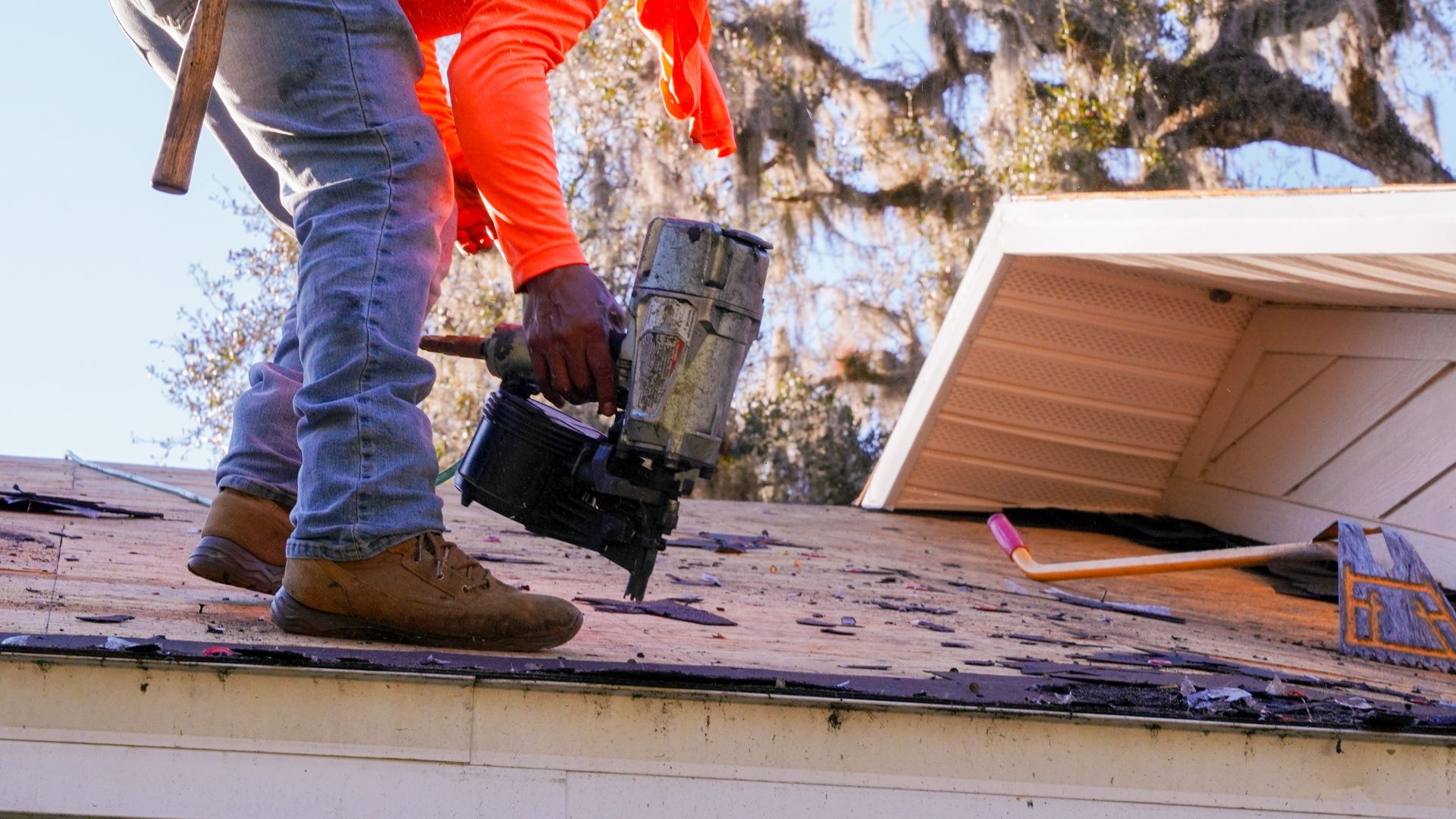
Learn what homeowners insurance covers for Florida roofing, what it excludes, and how property owners can successfully navigate an insurance inspection.
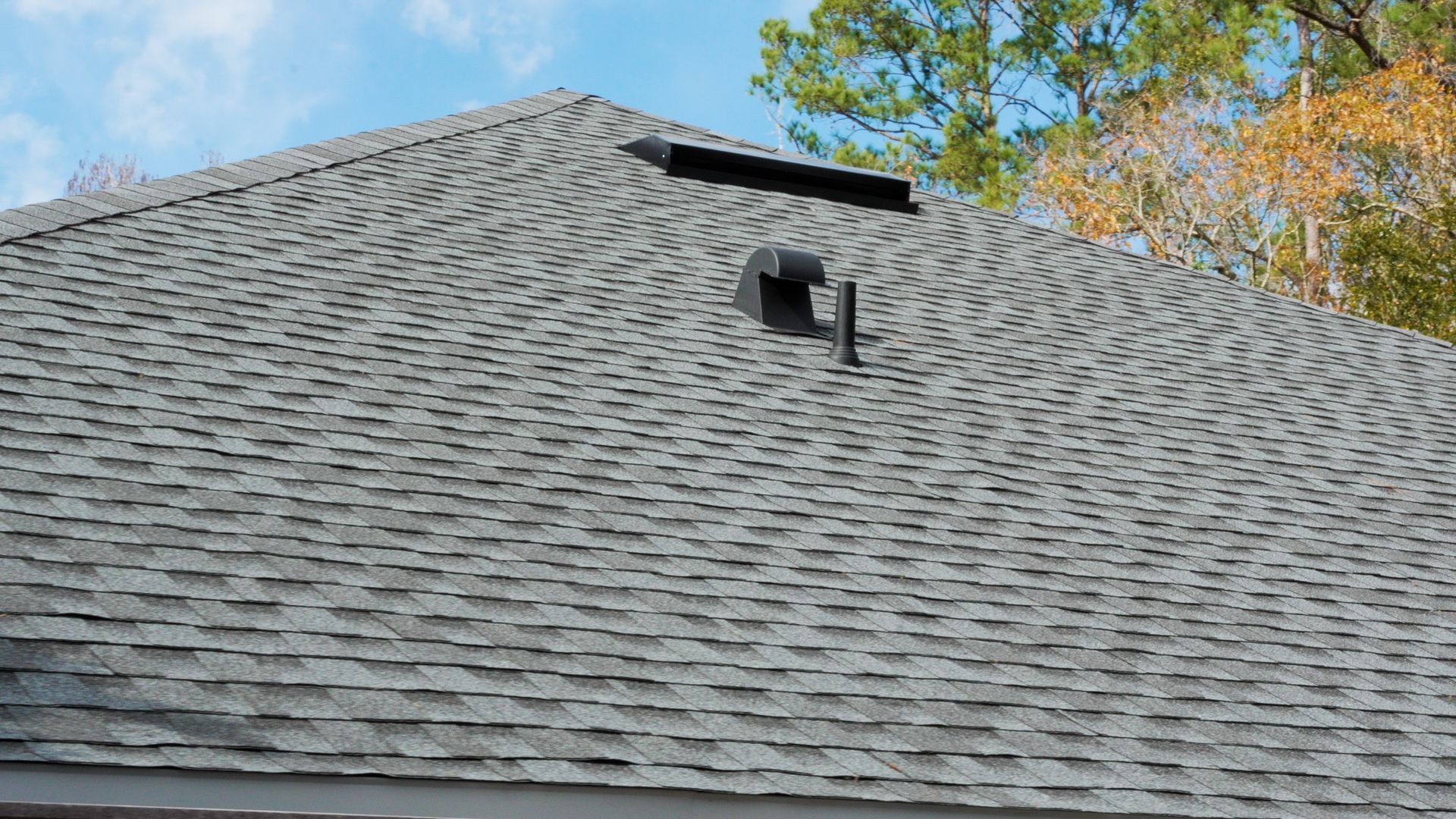
Learn how proper attic ventilation helps extend roof lifespan, reduce moisture buildup, and improve energy efficiency in Florida homes. Keeler Roofing Services explains the importance of balanced roof ventilation systems.
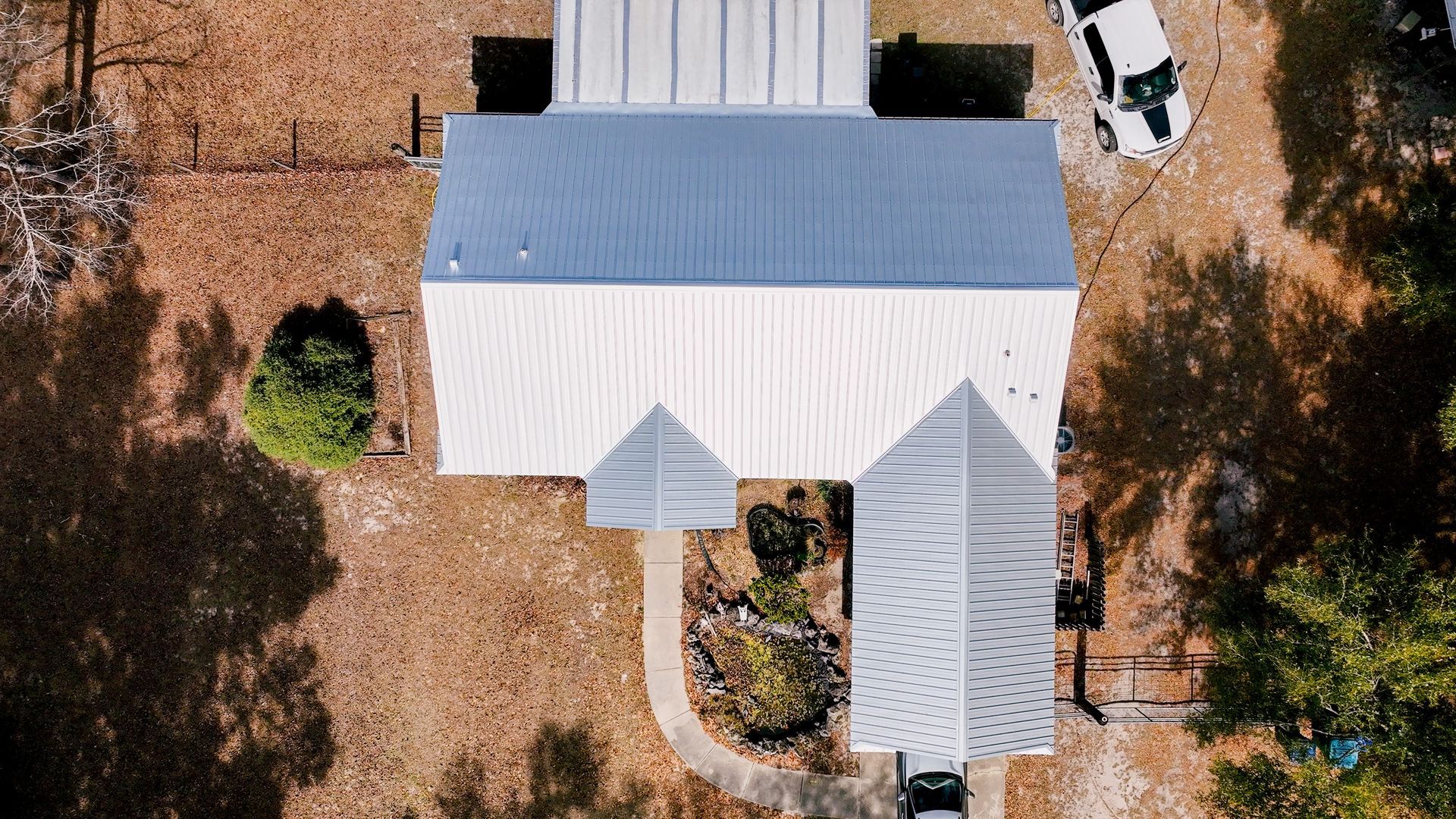
Learn how energy-efficient roofing options like reflective shingles, metal roofing, and tile roofs can lower cooling costs in Florida homes. Keeler Roofing Services explains the best roofing systems for long-term comfort and efficiency.
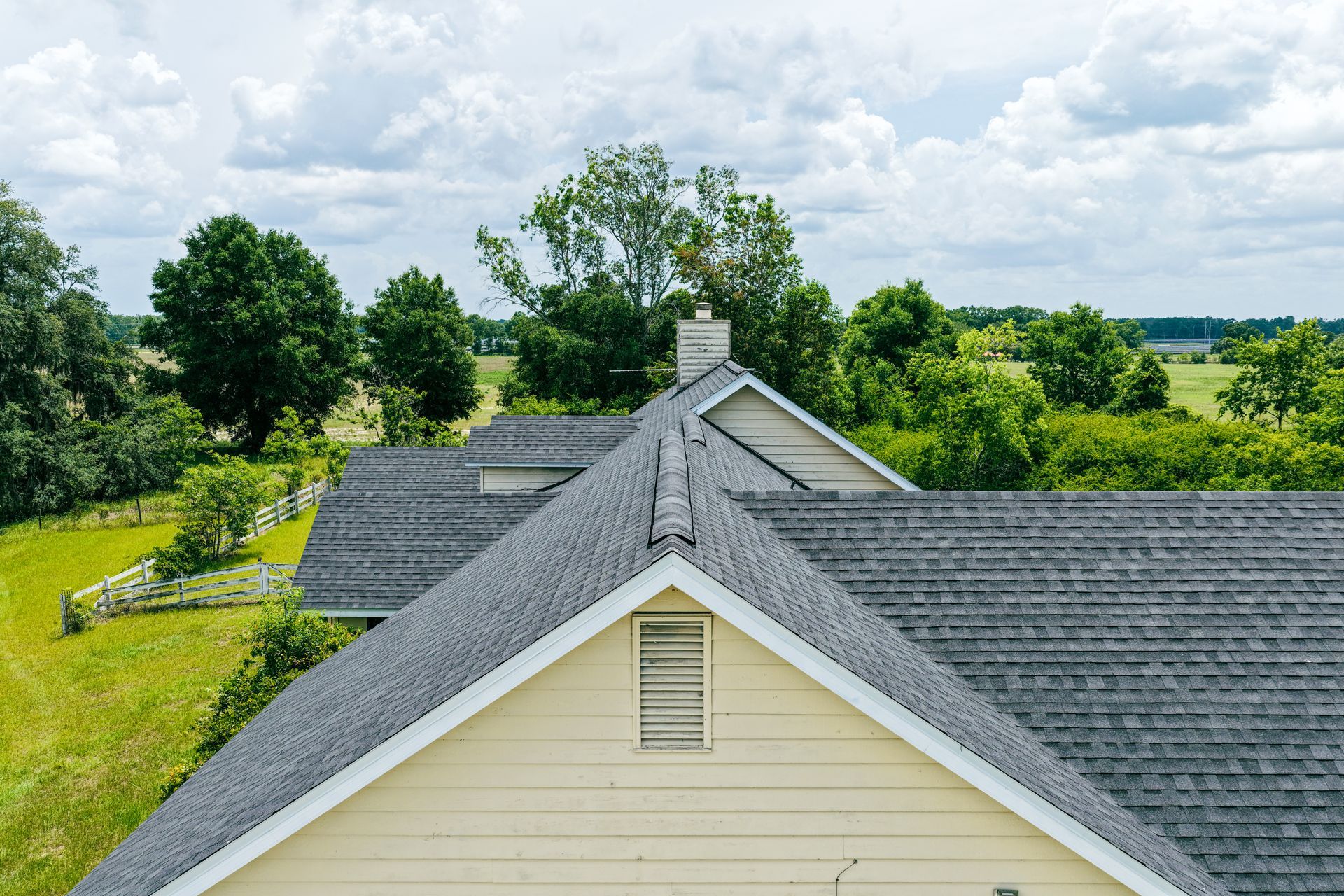
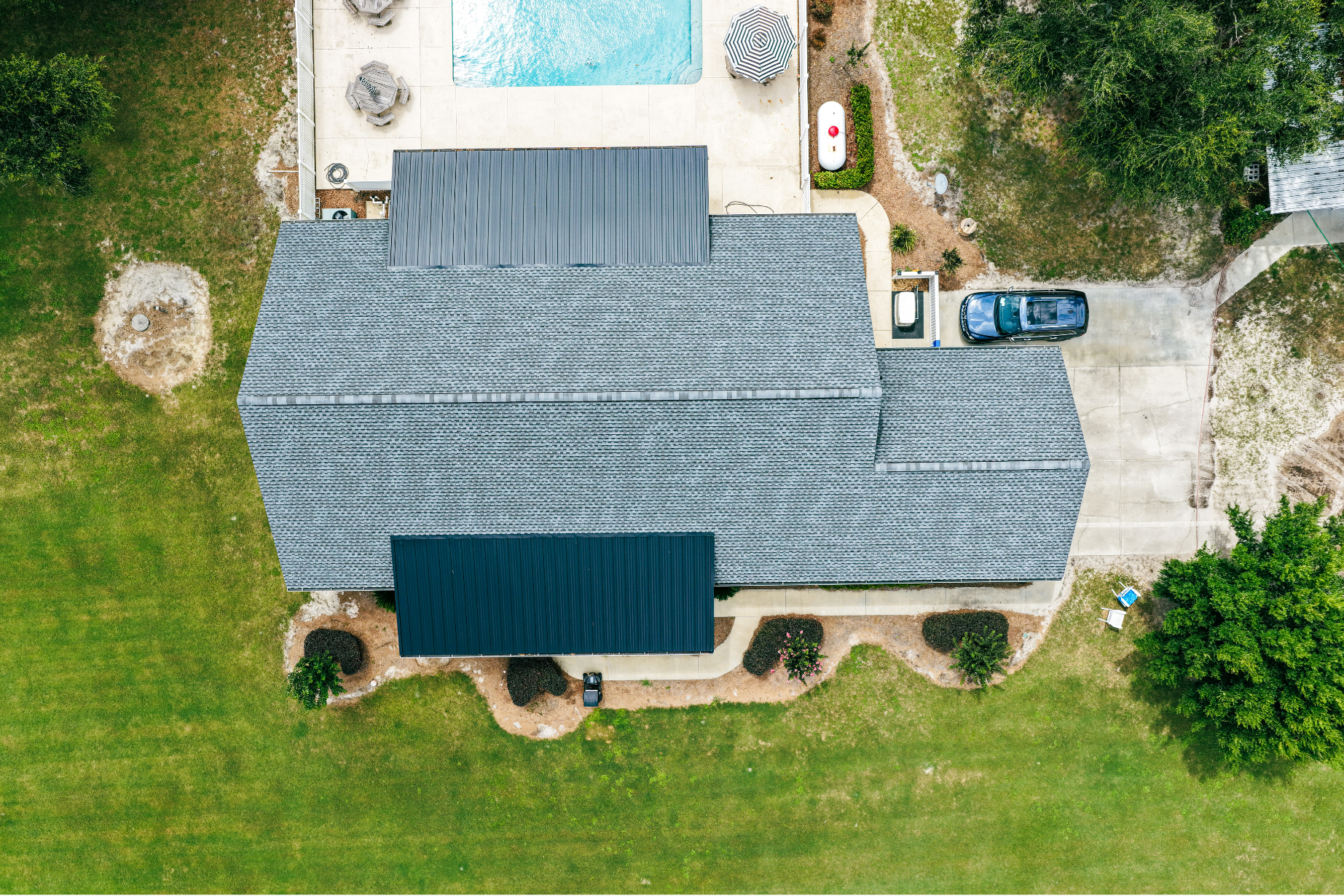
An aerial, top-down drone photograph of a modern residential home in Florida featuring a complex, multi-gabled roof with clean charcoal-grey shingles. The roof is shown in pristine condition, with clear gutters, well-defined valleys, and secure flashing around several vent pipes.