
Roof Repair vs. Full Replacement: How to Know Which You Need

Quick answer: A roof repair fixes isolated issues—like missing shingles or a small leak—and costs far less than a full replacement. A replacement is needed when the roof is structurally damaged, nearing the end of its lifespan, or when multiple repairs cost more than starting fresh.
Florida roofs take a beating. Between the scorching summer heat, tropical storms, and constant humidity, roofing problems are inevitable for homeowners and business owners across North Central Florida. The real challenge isn’t whether your roof will need attention—it’s figuring out what kind of attention it needs.
Choosing between a repair and a replacement isn’t always easy. Repairing too little could mean more problems in a few months. Replacing too soon might mean spending thousands unnecessarily. Either mistake can be costly.
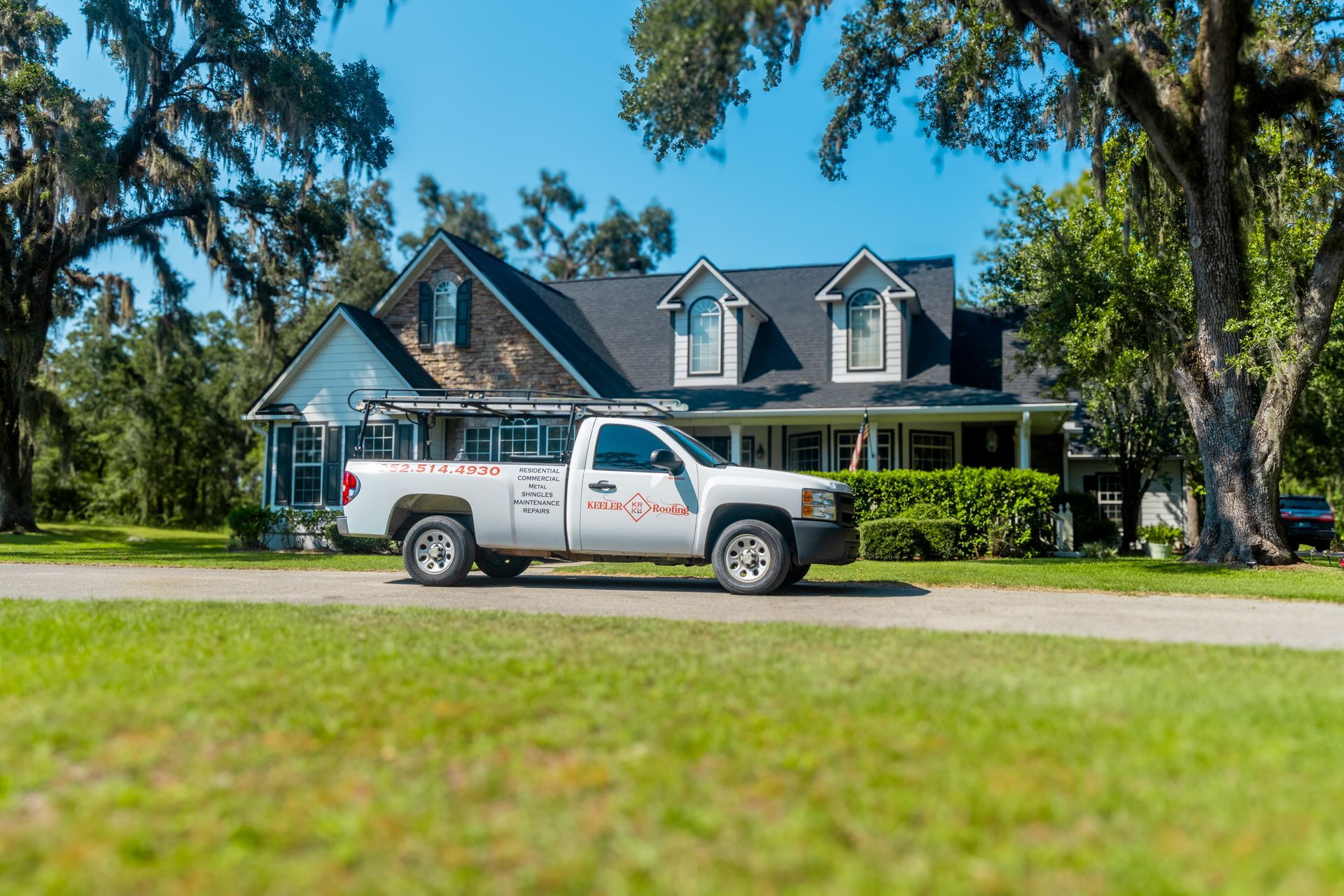
At Keeler Roofing, we’ve completed over 9,000 projects across Gainesville, Ocala, and the surrounding areas since 2014. One thing is clear: the right choice comes down to key factors like your roof’s age, the damage’s extent, and long-term costs. Understanding these factors helps you make a confident decision before a contractor steps onto your property.
What’s the Difference Between Roof Repair and Replacement?
Before diving into costs and timelines, let’s break down what each option involves.
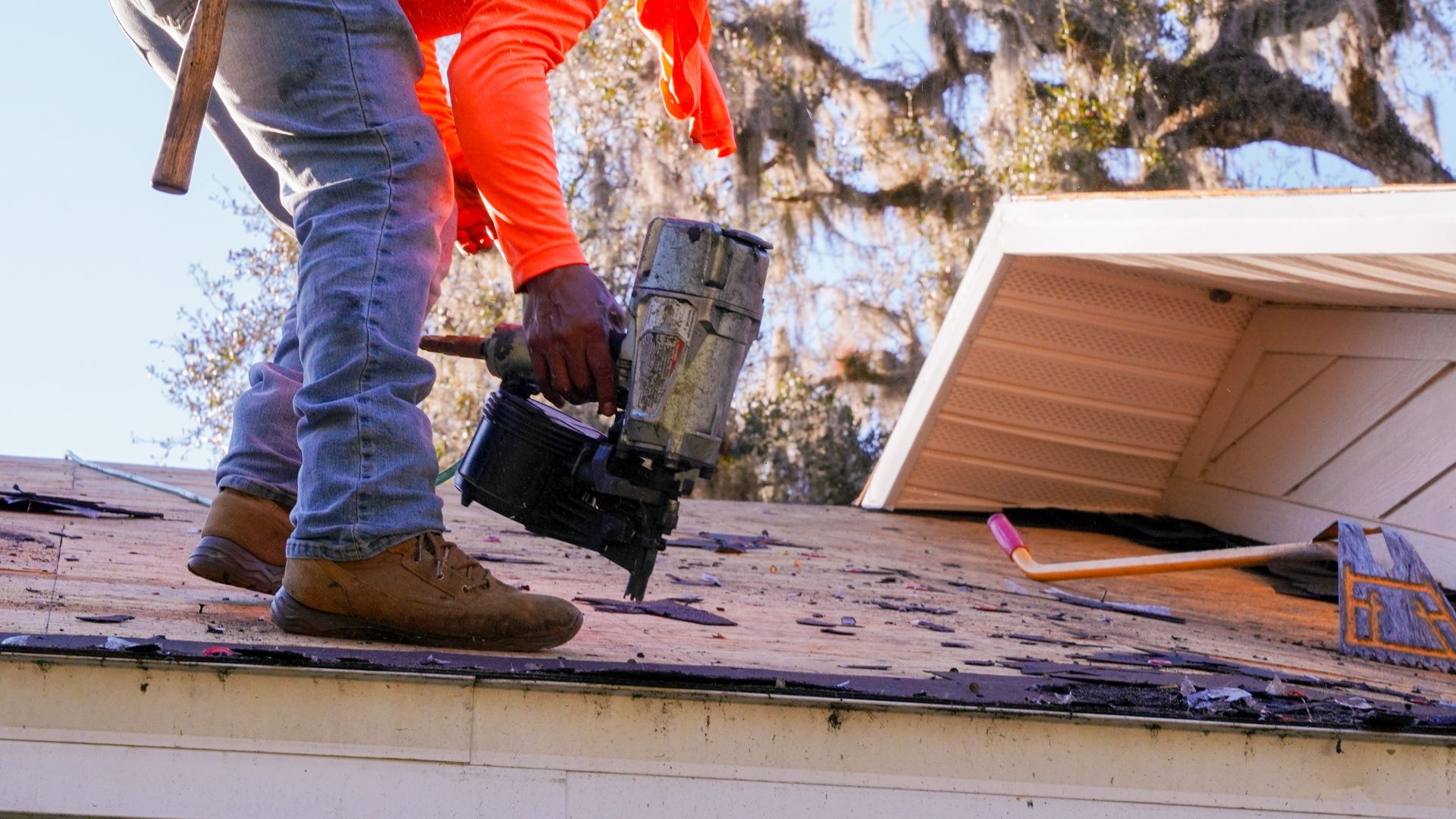
Roof repairs focus on specific problems, like cracked shingles, damaged flashing, or a single leak. Repairs are quicker, less disruptive, and cheaper upfront.
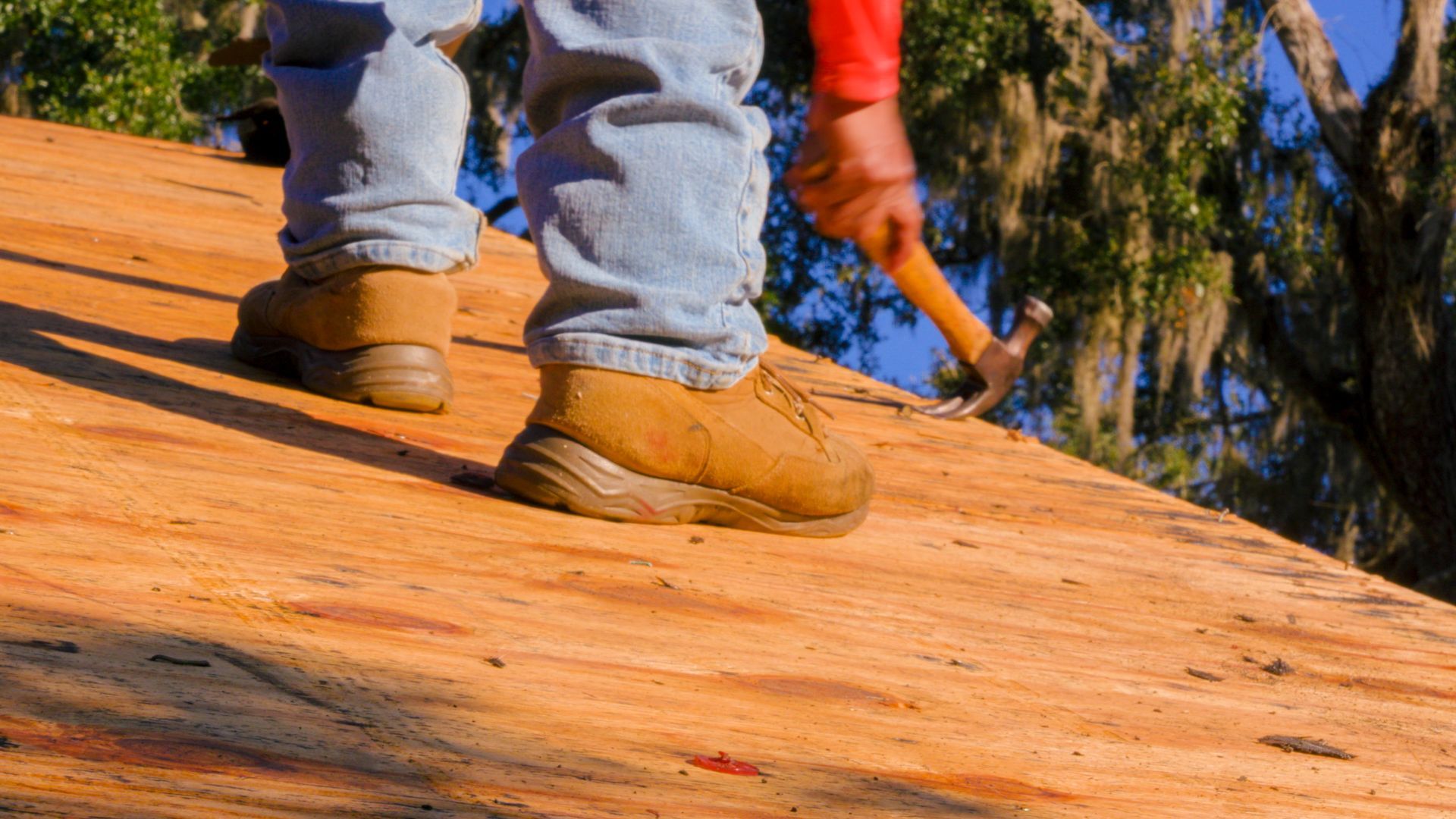
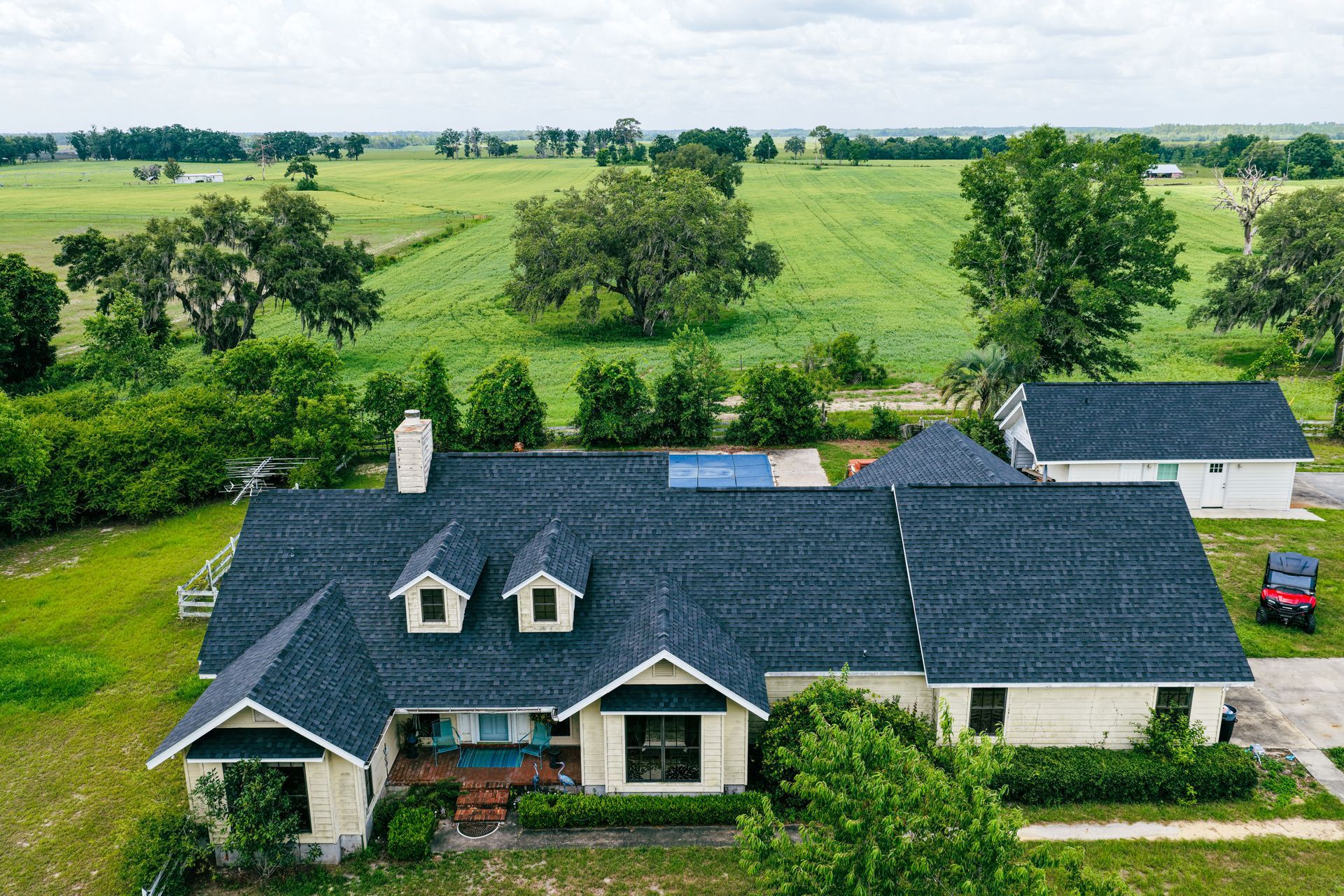
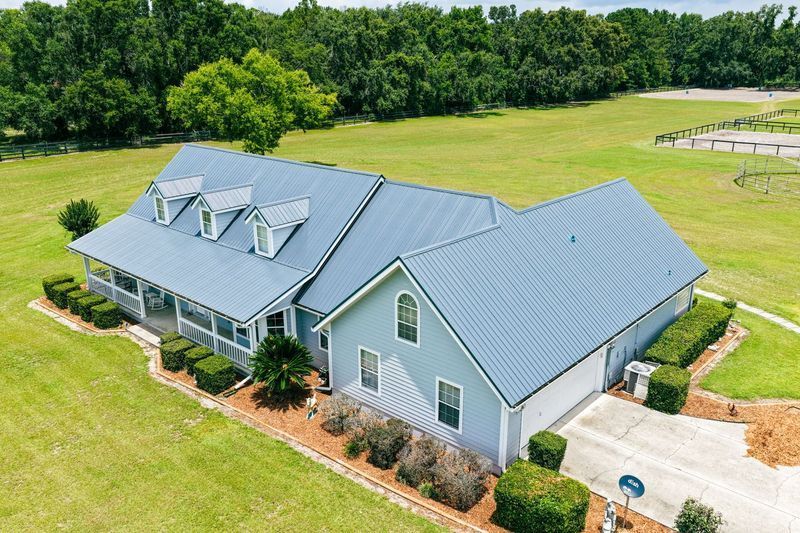
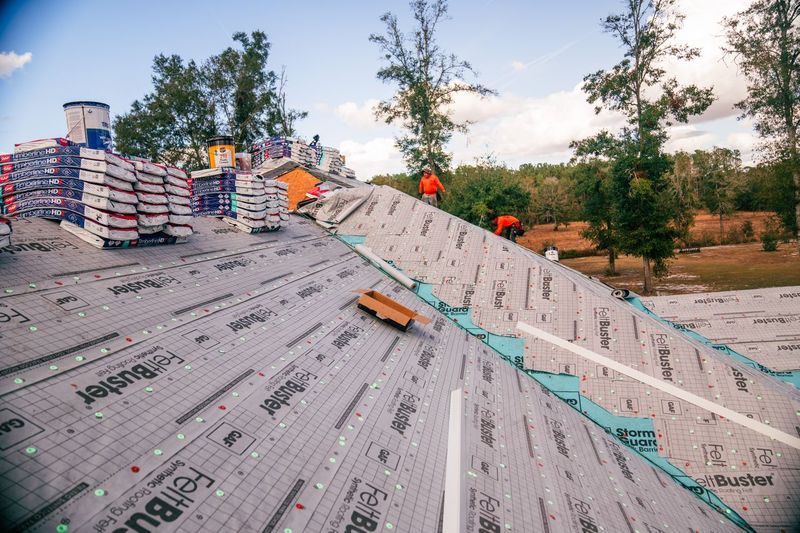
Roof replacement involves removing the entire existing roof, inspecting the structure underneath, and installing a new roofing system. While more expensive upfront, a replacement ensures reliability for 20–30 years.
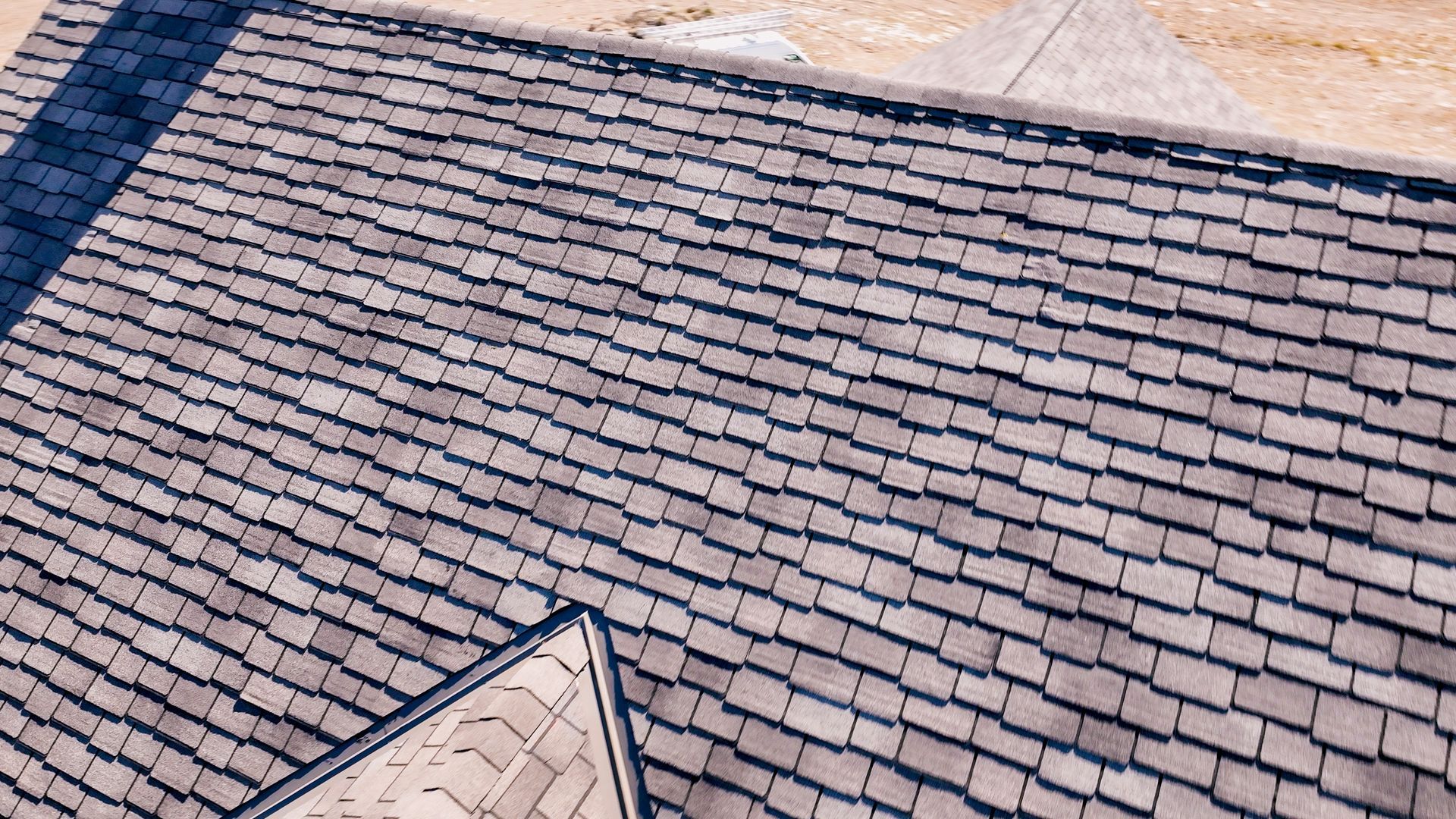
The tricky part? Damage that warrants a full replacement may not be obvious from the ground. A roof can look fine but hide serious issues underneath.
When Roof Repair Is the Right Call?
Repairs work best for isolated issues on younger roofs with solid underlying structures. Common scenarios for repairs include:
Small storm damage: Minor damage, like missing shingles or cracked tiles, can often be repaired if the rest of the roof is in good shape.
Flashing problems: Damaged or corroded flashing around vents and chimneys can usually be replaced without major work.
Single leak with an identifiable source: If the leak is localized and the surrounding materials are intact, a repair is often sufficient.
Roof under 10 years old: Newer roofs with minor wear and tear are strong candidates for repair.
Repairs are cost-effective when the issue is minor, and the rest of the roof is expected to last for several more years.
When a Full Roof Replacement Is Necessary?
Sometimes, starting fresh is the better move. Here’s when a replacement makes sense:
Roof is nearing the end of its lifespan: Asphalt shingles typically last 20–30 years, but Florida’s heat and UV exposure can reduce that. If your roof is aging, recurring problems might make replacement more cost-effective.
Widespread damage: When over 25–30% of the roof is damaged, repairs become inefficient and expensive.
Structural issues: Inspections might reveal hidden problems like rotting decking or weakened rafters. Replacing only surface materials in this case is a short-term fix.
Recurring leaks: If leaks keep happening in multiple areas, the roof likely has systemic issues requiring replacement.
Rising energy bills: Damaged roofs can reduce insulation, leading to higher heating and cooling costs. Replacement restores efficiency.
The Florida Factor: Unique Challenges for Roofs
Florida’s climate adds extra stress to roofs. Intense UV rays degrade asphalt shingles faster, and high humidity encourages mold and moisture issues. Hurricanes and strong winds test aging materials, while thermal expansion from constant heat can damage seams and adhesives.
These conditions shorten a roof’s lifespan compared to cooler climates. That’s why Keeler Roofing uses GAF-certified materials specifically rated for Florida’s weather.
What to Expect From a Professional Inspection
The best way to determine if you need a repair or replacement is through a professional inspection. A thorough inspection should assess:
- Shingles or panels across the roof
- Flashing around vents and chimneys
- Underlayment condition
- Roof deck for moisture, rot, or structural issues
- Interior signs like attic stains or mold
Keeler Roofing offers free inspections within 24–48 hours, providing a clear, honest assessment of your roof’s condition.
Repair vs. Replacement Costs: Thinking Long-Term
Repairs are usually more affordable upfront, but repeated fixes on a failing roof quickly add up. A replacement is a larger investment but eliminates frequent repairs for decades.
For businesses, a failing roof can mean higher energy costs, disruptions, and potential liability risks—making replacement the smarter choice in the long run. Keeler Roofing also offers financing options to help manage replacement costs without sacrificing quality or workmanship.
Making the Right Call for Your Roof
Deciding between a repair and a replacement comes down to four questions:
- How old is the roof?
- How extensive is the damage?
- What’s the condition of the structure underneath?
- What are the long-term costs of each option?
A professional inspection provides the clarity you need to make an informed decision. Keeler Roofing has completed over 9,000 projects in Gainesville, Ocala, and North Central Florida. With GAF-certified experts and a 4.9-star rating, we’re here to guide you to the best solution for your roof. Get your free estimate today.
Frequently asked questions about Florida roofing and insurance
What does a lifetime roofing warranty cover?
It typically covers manufacturing defects for the rated lifespan of the product. It doesn’t cover installation errors, weather damage, or poor ventilation, and coverage is often prorated over time.
Can poor ventilation void a warranty?
Yes, inadequate ventilation is a common reason for warranty denials. Most manufacturers require proper attic ventilation as a condition of coverage.
What’s the difference between material and workmanship warranties?
Material warranties cover product defects, while workmanship warranties cover installation errors. Both are important for full protection.
Are roofing warranties transferable?
Some are, but terms vary. Enhanced warranties from certified contractors are more likely to include transfer provisions.
How often should I inspect my roof to maintain warranty coverage?
Annual inspections are recommended, especially after storms. Some warranties require maintenance to stay valid.
Related Posts