
How Proper Attic Ventilation Extends the Life of Your Roof
Many Florida homeowners focus on shingles, underlayment, and storm resistance when thinking about roof performance. Those parts matter, but attic ventilation is just as important. In Gainesville, Ocala, and across North Central Florida, roofs deal with long stretches of heat, high humidity, sudden rain, and strong summer storms. If hot, damp air gets trapped in the attic, the roofing system often ages faster than it should.
Poor ventilation can create problems from both above and below. Shingles may overheat, roof decking can hold moisture, insulation may lose efficiency, and your cooling system can work harder than necessary. Over time, those conditions can shorten roof life and increase repair costs.
How Attic Ventilation Works
A properly ventilated attic moves air through the space in a controlled, balanced way. The goal is not to make the attic cold. The goal is to reduce excessive heat and moisture buildup before they start damaging materials.
Most systems rely on two parts working together:
- Intake ventilation: Fresh outside air enters near the lower edge of the roof, usually through soffit vents under the eaves. This creates the starting point for airflow.
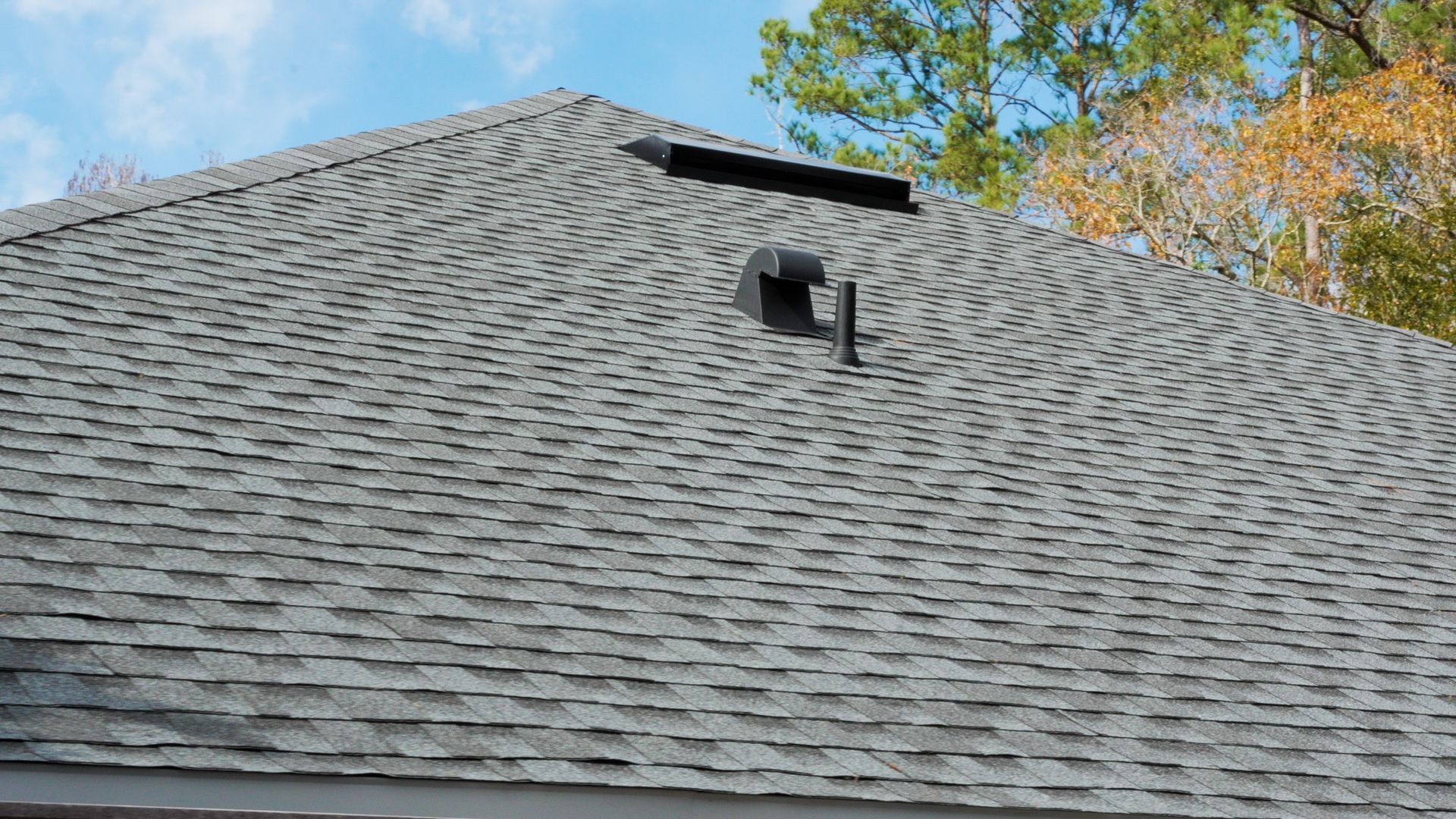
- Exhaust ventilation: Hot, humid air exits near the top of the roof through ridge vents, roof vents, or powered systems when appropriate.
- Air pathway: Open channels inside the attic allow incoming air to travel upward and push stale air out.
When these parts are balanced, the attic can release trapped heat during hot afternoons and remove moisture that rises from living spaces below. If one side is missing, airflow often stalls. For example, adding roof vents without enough intake at the soffits may not solve the problem.
That balance is where experienced roofers can make a difference. At Keeler Roofing, ventilation is treated as part of the full roofing system, not an afterthought added at the end.
Why Ventilation Directly Impacts Roof Lifespan
Your roof lasts longer when the materials beneath it stay drier and cooler. Ventilation helps create those conditions.
Excess attic heat can raise the temperature of roof decking and shingles day after day. In Florida, that repeated heat exposure may accelerate normal aging. Shingles can become brittle sooner, sealant strips may weaken, and color fading can happen faster.
Moisture is just as important as heat. Warm indoor air naturally rises into the attic through small ceiling gaps, light fixtures, and access hatches. When that moisture cannot escape, it can collect on wood surfaces and insulation. Over time, this may lead to:
- Wood decking that swells, warps, or softens
- Rusted nails and metal connectors
- Mold or mildew growth on framing members
- Compressed insulation with reduced performance
These issues often develop gradually. Homeowners may not notice them until stains appear on ceilings or a reroof reveals hidden damage.
Good ventilation cannot stop aging entirely, but it can reduce avoidable stress on the roofing system.
Common Problems Caused by Poor Ventilation
Many roof issues blamed on age are actually made worse by trapped heat or moisture. When airflow is limited, several parts of the home can be affected at once.
Common problems include:
- Higher cooling costs: Superheated attic air transfers heat into living areas, forcing the AC system to run longer.
- Premature shingle wear: Roofing materials exposed to excessive attic heat may deteriorate sooner.
- Moisture damage: Condensation can affect decking, rafters, and insulation.
- Indoor comfort issues: Rooms near the ceiling may feel warmer and harder to cool.
- Musty odors: Damp attic conditions can create stale smells that drift indoors.
- Shortened repair cycles: Minor issues can become larger repairs if hidden moisture continues unchecked.
These problems are especially common in older Florida homes where ventilation standards, insulation methods, or roof designs differ from current best practices.
Signs Your Attic Ventilation May Be Inadequate
Most homeowners do not inspect their attic often, so warning signs usually appear elsewhere first. Paying attention to small changes can help you address ventilation issues before they become expensive.
Signs to watch for include:
- Very hot attic temperatures: If the attic feels excessively hot even in the morning, heat may not be escaping properly.
- Rust on nails or hardware: This can indicate repeated moisture exposure.
- Dark staining on roof decking: Moisture buildup often leaves visible marks.
- Moldy or musty smell: Persistent odor suggests trapped humidity.
- Uneven indoor temperatures: Upper rooms may stay warmer than the rest of the house.
- Shingles aging faster than expected: Curling, cracking, or granule loss may have multiple causes, including heat stress.
Some symptoms overlap with insulation or roof leak issues, which is why a professional inspection matters. A qualified roofer can evaluate the whole system instead of guessing from one symptom.
Ventilation Improvements and Upgrades
The right upgrade depends on the roof design, attic layout, and current vent setup. Simply adding more vents is not always the answer. In some cases, too many mismatched vents can disrupt airflow rather than improve it.
A proper evaluation may lead to upgrades such as:
- Adding soffit intake vents: Useful when exhaust vents exist but fresh air supply is limited.
- Installing ridge vents: Often effective for continuous exhaust on suitable roof designs.
- Improving attic air pathways: Baffles can keep insulation from blocking soffit vents.
- Replacing damaged vents: Cracked or blocked vents cannot perform as intended.
- Correcting mixed systems: Some combinations of vents compete with each other and reduce efficiency.
Florida homes also need weather conscious planning. Vent products should be installed to handle wind driven rain, storm exposure, and local code requirements. That is why local experience matters. Roof systems in Gainesville or Ocala may face different moisture and heat patterns than homes in cooler climates.
Why Ventilation Matters During Roof Replacement
A reroof is often the best time to address attic ventilation because the system is already being opened and evaluated. If old shingles are removed without correcting poor airflow, the new roof may inherit the same problems.
During replacement, a contractor can inspect decking condition, review intake and exhaust balance, and recommend improvements that fit the structure. This approach supports long term roof protection instead of focusing only on the visible surface materials.
For many homeowners, this planning stage also helps prioritize budget. Financing options can make it easier to handle necessary system improvements at the same time rather than paying for separate work later.
Conclusion
Attic ventilation is one of the most overlooked parts of roof performance, yet it has a direct effect on durability, comfort, and maintenance costs. In Florida’s hot, humid climate, trapped heat and moisture can quietly shorten the life of an otherwise good roof.
The best results usually come from thoughtful system design, not guesswork or one size fits all solutions. Intake, exhaust, insulation, and roof construction all need to work together.
If you are planning repairs or a replacement in North Central Florida, it is worth asking how ventilation fits into the overall plan. Clear answers today can help protect your roof for years to come.
Related Posts