
Energy-Efficient Roofing Options That Lower Bills in Hot Florida Weather
Florida homeowners know the pattern well: long hot afternoons, heavy humidity, and air conditioners running for months at a time. In Gainesville, Ocala, and across North Central Florida, cooling costs can become a major part of the household budget. Many people look at windows, thermostats, or insulation first, but the roof often has a larger impact than expected.
Your roof is the surface that takes the most direct sun exposure every day. If it absorbs and transfers too much heat into the attic, your home has to work harder to stay comfortable. That added heat load can increase indoor temperatures, strain HVAC equipment, and raise monthly electric bills. But the good news is that roofing choices can make a meaningful difference.
How Roofs Affect Energy Efficiency
A roof influences indoor comfort by controlling how much solar heat enters the home. In Florida’s climate, this matters most during long periods of intense sun.
There are two main ways roofs affect efficiency:
- Heat absorption: Darker or low-reflective surfaces tend to absorb more sunlight and become hotter during the day.
- Heat reflection: Lighter or specially designed reflective materials send more solar energy away from the roof surface.
- Heat transfer: Once the roof gets hot, that heat can move into the attic and living space below.
- Heat release: Some materials cool down faster in the evening, while others hold heat longer.
This is why two homes with similar square footage can feel different and have different cooling costs. Roofing material, attic design, insulation levels, and ventilation all work together.
A roof alone will not solve every efficiency issue, but it can significantly reduce the amount of heat your home has to manage.
Key Features That Make a Roof Energy Efficient
Energy performance is not based on a single label. It comes from measurable characteristics and proper system design.
Key factors include:
- Solar reflectance: How much sunlight the roof reflects rather than absorbs.
- Thermal emittance: How effectively the roof releases absorbed heat.
- Color selection: Lighter colors often stay cooler, though product design matters too.
- Material mass and design: Some products slow heat transfer better than others.
- Ventilation compatibility: The roof should work with proper attic airflow.
- Durability in Florida weather: Efficiency benefits matter more when the roof can withstand sun, rain, and storms over time.
A highly reflective roof that fails early in severe weather is rarely the best long term value. In Florida, efficiency and durability should be considered together.
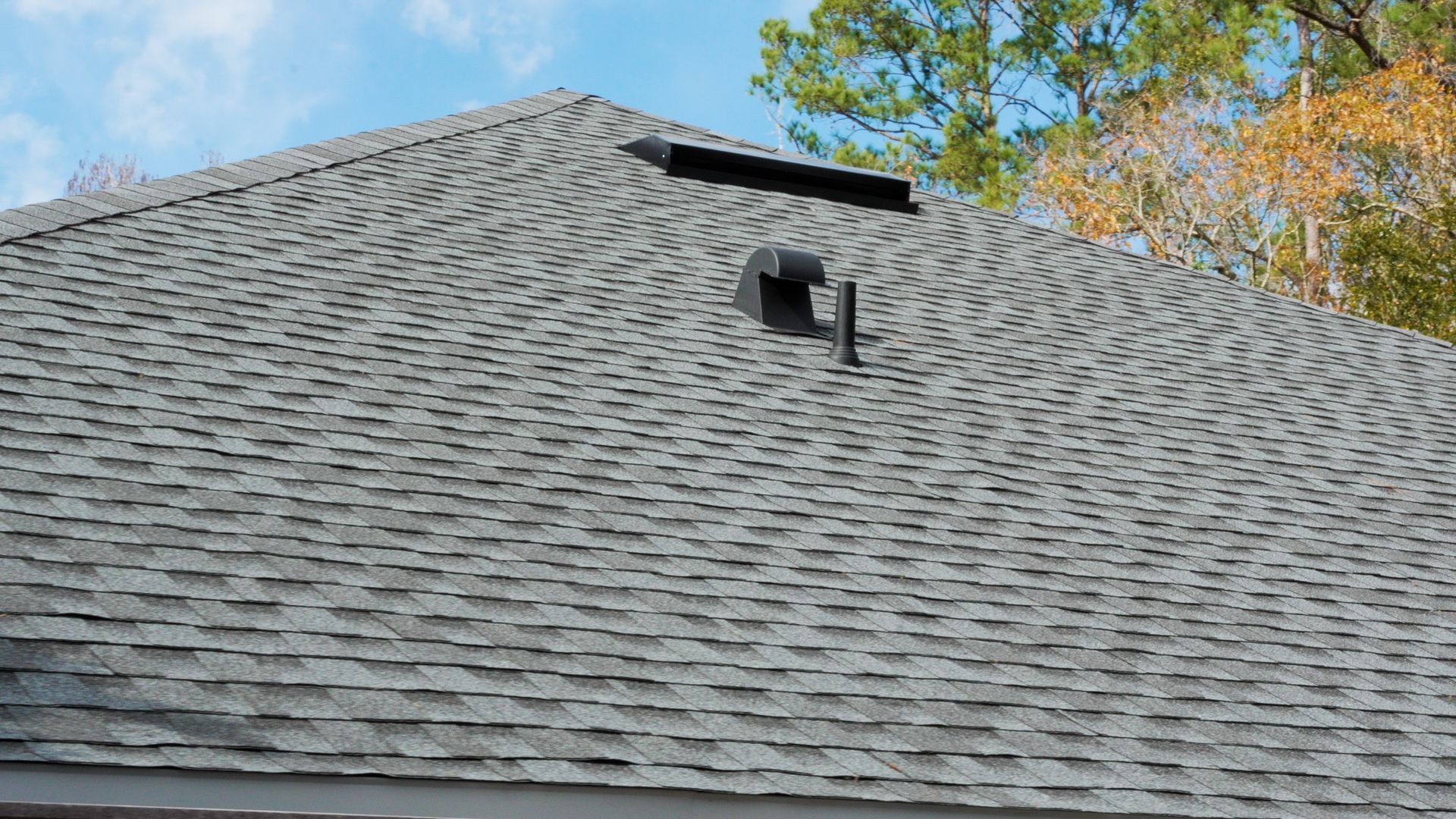
Reflective Asphalt Shingles: Familiar Look with Better Performance
Many homeowners want the appearance and price range of shingles while improving efficiency. Reflective asphalt shingles can be a practical middle ground.
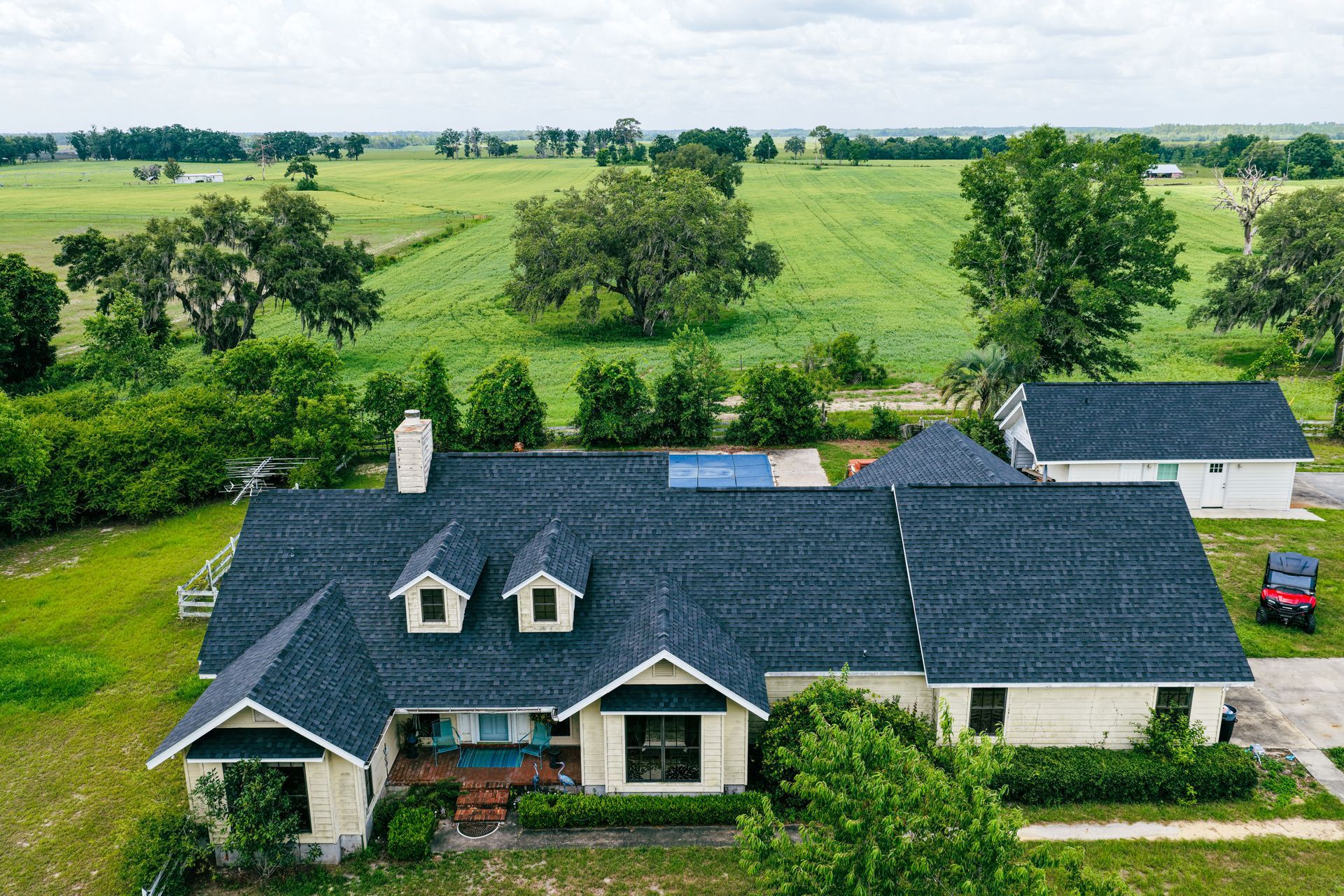
These products use specially designed granules that reflect more solar energy than standard shingles. That can help reduce attic heat buildup, especially on homes with large roof areas and full sun exposure.
Reflective shingles often work best for:
- Homes already suited for shingle roofing
- Homeowners replacing an aging roof and wanting moderate efficiency gains
- Neighborhoods where shingle appearance is preferred
There are also trade offs to understand. Performance varies by color and product line, and lighter tones often reflect more heat than darker shades. While they may help lower cooling demand, savings are usually more modest than some premium systems.
For many North Central Florida homes, reflective shingles offer a balanced option with familiar curb appeal and lower upfront cost than metal or tile.
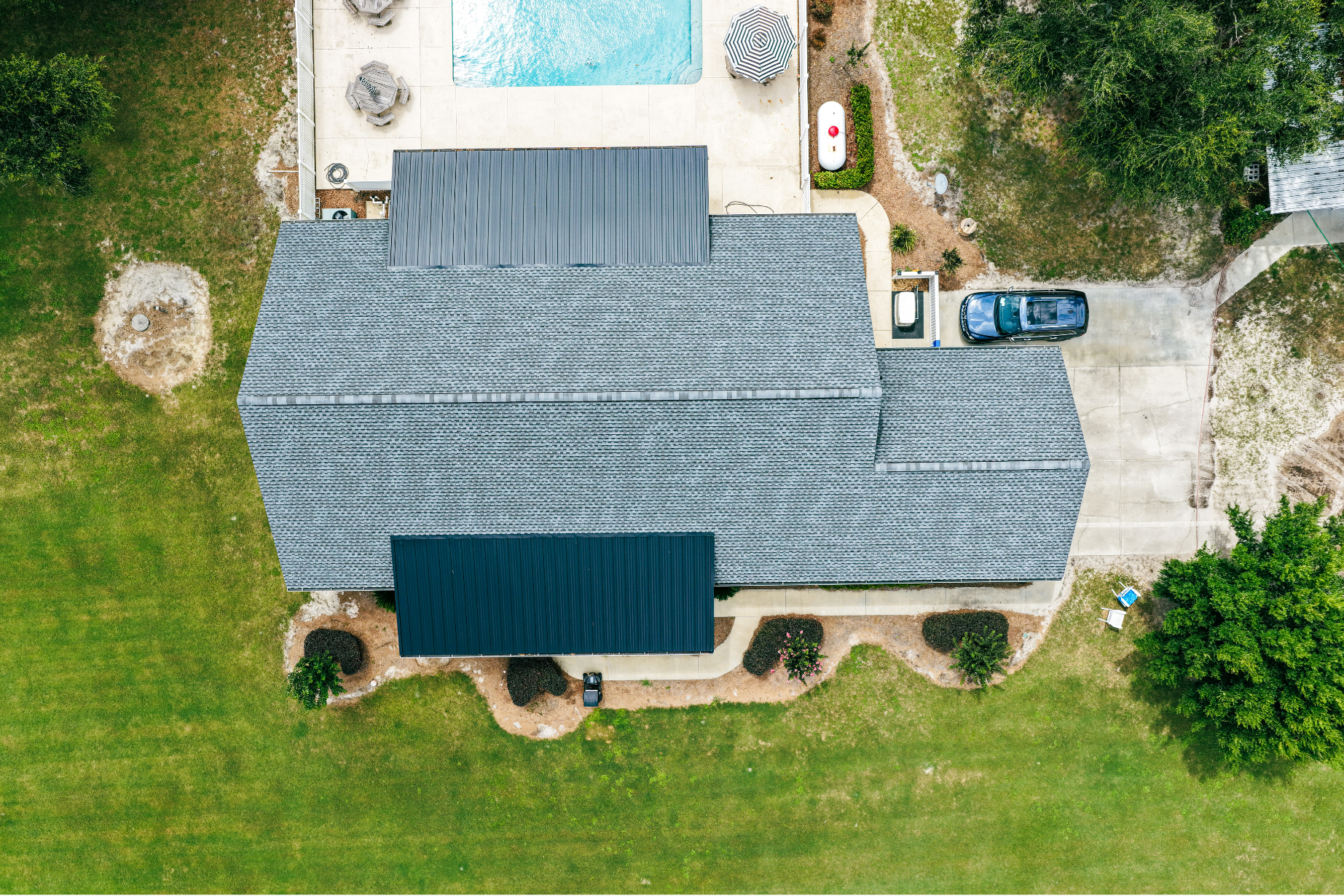
Metal Roofing Systems: Strong Cooling Potential and Long Service Life
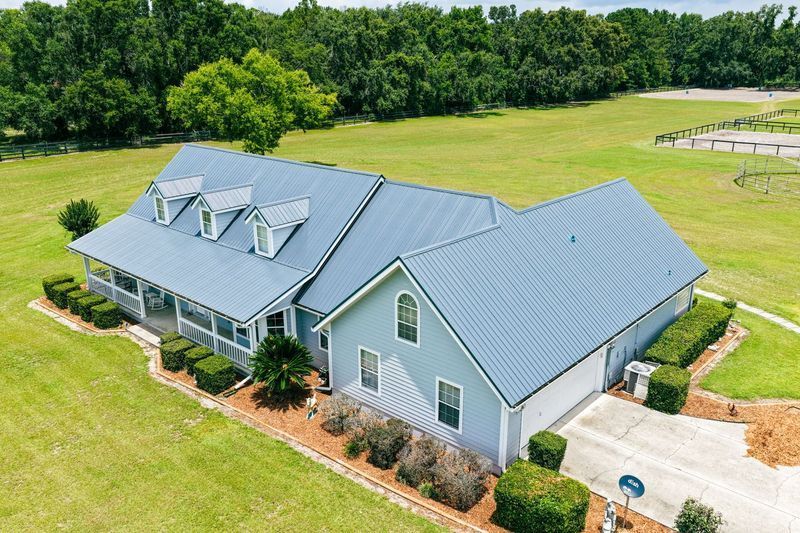
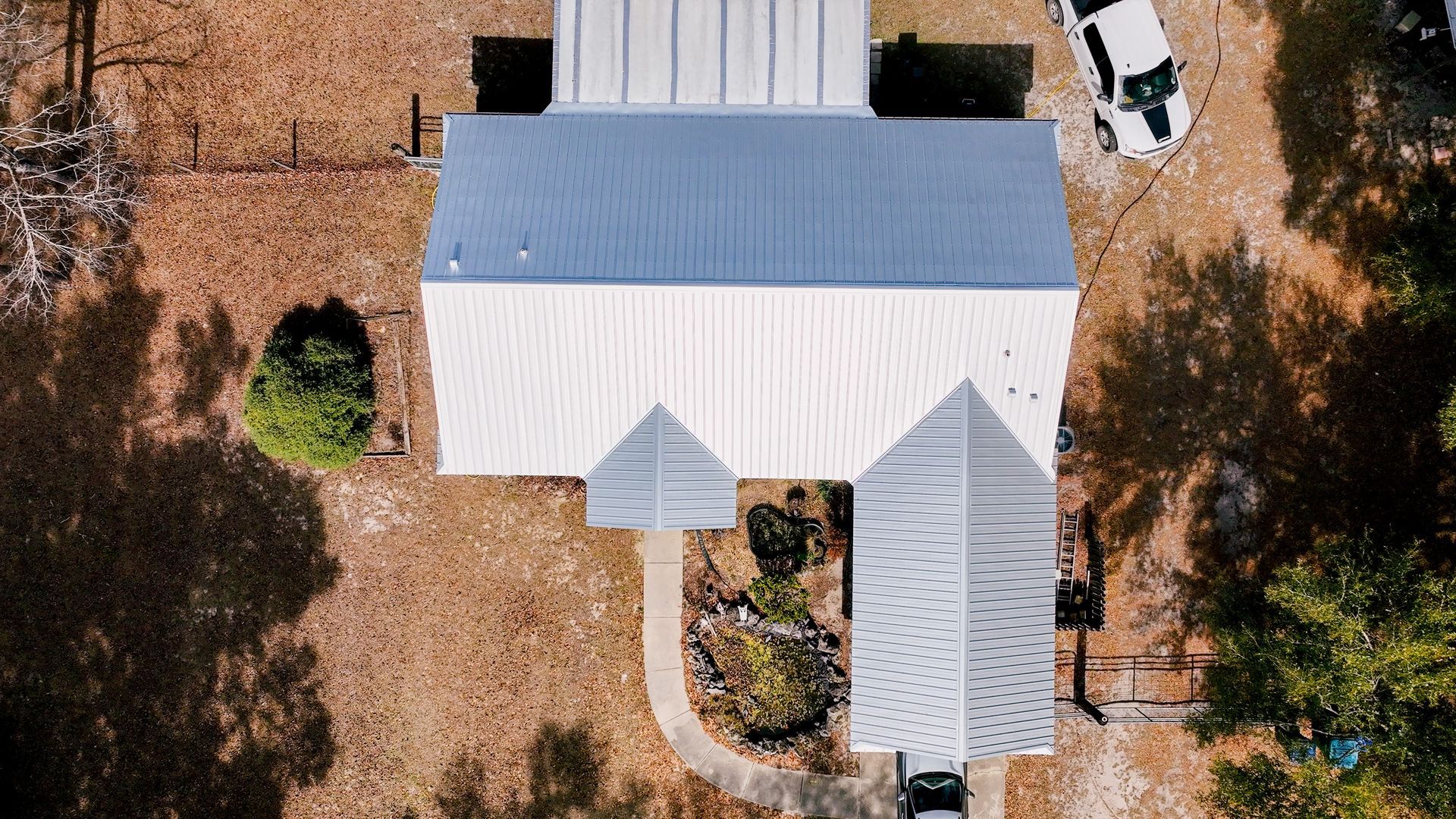
Metal roofing is one of the most effective options for reducing solar heat gain when properly selected and installed.
Many metal panels are coated with reflective finishes that bounce sunlight away and cool down relatively quickly after sunset. This can reduce attic temperatures and lower cooling strain during hot months.
Metal roofing is often a strong fit for:
- Homes with direct sun exposure most of the day
- Owners planning to stay long term
- Properties where durability and storm resistance are priorities
Important considerations should be weighed as well:
- Initial cost is typically higher than shingles
- Installation quality matters greatly for fasteners, flashing, and water control
- Some styles can transmit sound differently during heavy rain if not properly assembled
For Florida homeowners looking at long range value, metal roofing can combine efficiency, durability, and lifespan in a way many materials cannot.
Tile Roofing: Natural Insulation and Heat Management
Clay and concrete tile roofs are common in warm climates for a reason. They handle heat differently than flat applied materials.
Tile systems often create small air spaces beneath the tile units, which can reduce direct heat transfer into the roof deck. Their thermal mass also helps moderate temperature swings.
Tile may be a good option for:
- Homes built to support the added structural weight
- Owners wanting a long lasting premium roof system
- Properties where architectural style complements tile appearance
Homeowners should also consider the trade offs:
- Higher material and installation cost
- Structural review may be needed on some homes
- Repairs require experienced handling to avoid breakage
In the right application, tile can offer strong energy performance along with excellent curb appeal and durability.
Cool Roof Coatings and Membranes for Low Slope Roofs
Some Florida homes, additions, lanais, and commercial style sections have low slope roof areas. In those cases, coatings or reflective membranes may be the most practical path.
These systems are designed to reflect sunlight and protect the roof surface from constant heat exposure. They are commonly used on flatter sections where shingles or tile are not ideal.
Potential benefits include:
- Lower roof surface temperatures
- Added weather protection when correctly specified
- Extended service life for certain existing roof systems
- Improved comfort below low slope sections
Not every roof is a candidate for coating over existing materials. Surface condition, drainage, moisture history, and product compatibility should be reviewed first.
Ventilation and Insulation: Often the Missing Piece
Even the best roofing material can underperform if the attic traps heat and moisture.
A complete energy efficient roof system should include:
- Balanced ventilation: Intake vents bring air in while exhaust vents release hot attic air.
- Proper insulation levels: Insulation slows heat transfer from attic to living space.
- Air sealing: Gaps around fixtures and attic access points can leak conditioned air.
In Florida, humidity control is just as important as temperature control. Poor ventilation may allow moisture buildup that affects insulation performance and roof decking over time.
This is why experienced contractors evaluate the whole system rather than recommending material alone.
Additional Upgrades That Improve Efficiency
Smaller decisions can also influence performance. While they may not transform bills on their own, they can support the main roofing system.
Helpful upgrades may include:
- Lighter roof colors: Often reflect more sunlight than darker tones.
- Radiant barriers: Installed in certain attic setups to reduce radiant heat transfer.
- Improved soffit ventilation: Helps maintain airflow through the attic.
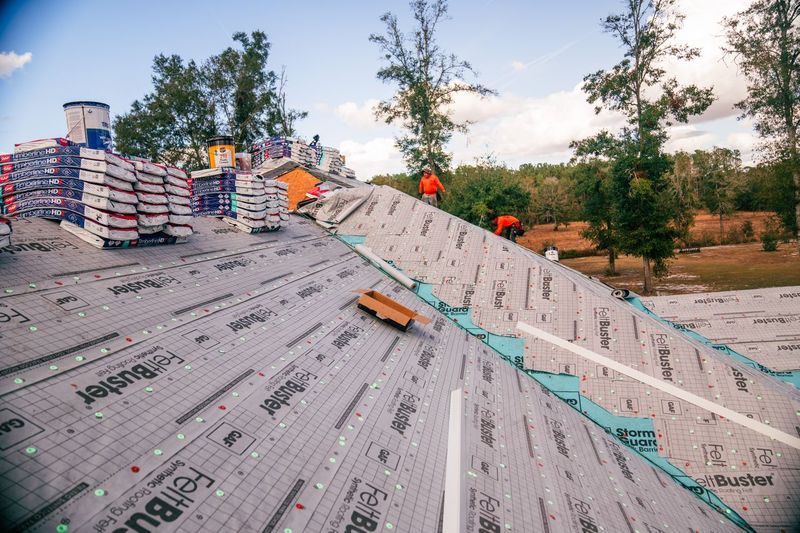
- Upgraded underlayment systems: Some assemblies manage heat and moisture more effectively.
These choices are most useful when matched to the home’s design rather than added blindly.
How to Choose the Right System for a Florida Home
The best roofing choice depends on more than energy performance alone. A practical decision balances budget, lifespan, maintenance, appearance, and storm resilience.
Questions worth asking include:
- How long do you plan to stay in the home?
- Is upfront cost or long term value the bigger priority?
- Does the roof receive full sun most of the day?
- Is the attic properly ventilated today?
- Does the structure support heavier materials like tile?
- How important is wind resistance in your location?
For many homeowners in Gainesville, Ocala, and surrounding areas, the right answer is not the most expensive material. It is the system that fits the home and is installed correctly.
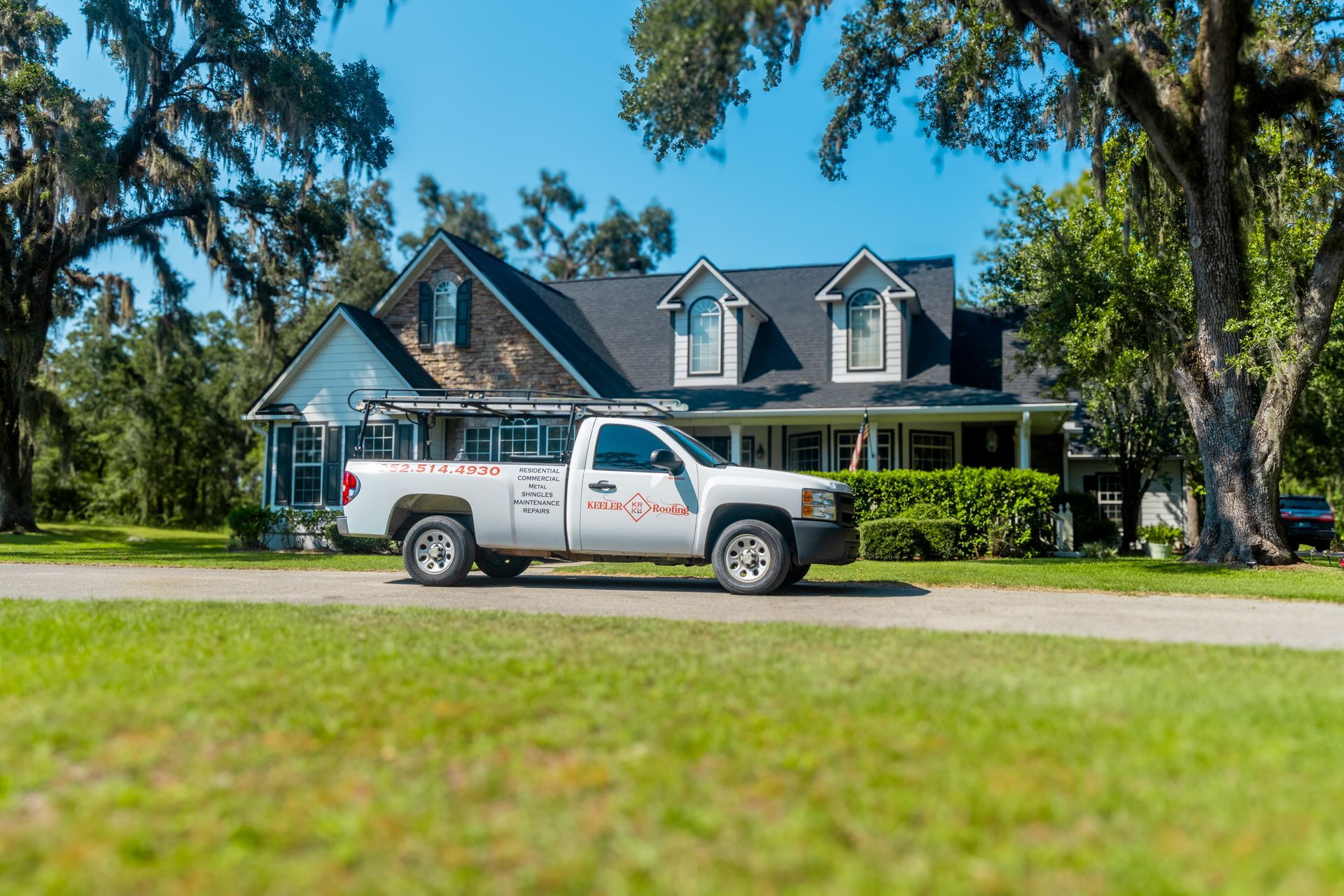
That is where companies like Keeler Roofing add value by evaluating ventilation, materials, flashing details, and long term protection together.
Conclusion
Lower cooling costs in Florida usually come from a combination of smart roofing decisions rather than one miracle product. Reflective shingles, metal roofing, tile systems, and cool roof membranes can all improve energy performance when used in the right setting.
Just as important are the parts homeowners do not always see: attic ventilation, insulation, drainage details, and quality installation. Those elements often determine whether the roof performs as expected over time.
If you are considering a roof replacement or upgrade, thoughtful planning is the best place to start. A professional evaluation can help you compare real options and choose a roofing system built for Florida heat, humidity, and long term value.
Related Posts