
Does Poor Attic Ventilation Shorten Your Roof's Lifespan?
Quick answer: Yes, poor attic ventilation is one of the leading causes of premature roof failure in Florida. When heat and moisture build up in an under-ventilated attic, they deteriorate shingles from the inside out, warp decking, and invite mold growth. Proper attic ventilation can add years to your roof's lifespan and reduce energy costs significantly.
Florida roofs take a beating. Between scorching summers, high humidity, and the occasional hurricane season, the conditions here are about as demanding as it gets. Most homeowners focus on what they can see (shingles, gutters, flashing) without realizing that what's happening inside their attic is just as critical to their roof's longevity.
Attic ventilation is one of those topics that rarely comes up until something goes wrong. A roof that looks perfectly intact from the street can be silently failing from the inside, driven by heat and moisture that never had anywhere to go. By the time the damage shows up as a leak, warped decking, or a skyrocketing energy bill, the problem is already well advanced.
Keeler Roofing has been serving homeowners and business owners across North Central Florida since 2014, and in that time, ventilation-related damage has proven to be one of the most consistent and preventable causes of early roof deterioration. Understanding how attic ventilation works, and what happens when it doesn't, can save you thousands of dollars in repairs and extend the life of your roof by years.
What Is Attic Ventilation and How Does It Work?
Attic ventilation is the system that allows outside air to flow through your attic space, regulating temperature and moisture levels. A properly ventilated attic uses a combination of intake vents, typically located at the soffits along the eaves, and exhaust vents positioned near or at the roof's peak.
Cool air enters through the intake vents at the bottom, pushes warm air upward, and exits through the exhaust vents at the top. The result is a continuous cycle of airflow that keeps attic temperatures and humidity levels in check throughout the year.
The general industry standard, as recommended by most roofing manufacturers and building codes, is one square foot of ventilation for every 150 square feet of attic floor space, balanced equally between intake and exhaust. In Florida's climate, where attic temperatures can exceed 160°F on a summer afternoon, meeting, and in some cases exceeding, this standard is not optional. It's essential.
What Happens When Attic Ventilation Fails?
When airflow is restricted or unbalanced, heat and moisture accumulate inside the attic. The consequences are far-reaching.
Heat Damage in Florida's Climate
Florida summers are relentless. Without adequate exhaust ventilation, attic temperatures can climb well beyond what roofing materials are designed to tolerate. That sustained heat accelerates the aging of asphalt shingles, causing them to curl, crack, and lose the granules that protect them from UV radiation.
The structural decking beneath your shingles is equally vulnerable. Repeated thermal expansion and contraction weakens the wood over time, and once the decking begins to deteriorate, the entire roof system becomes compromised. A roof that might otherwise last 25 to 30 years under normal conditions can fail in 15 to 20 years when heat damage is left unchecked.
Moisture and Mold: The Hidden Threat
Humidity is an ever-present reality in North Central Florida. When warm, moist air from inside the home rises into the attic and has nowhere to go, it condenses on cooler surfaces: the underside of the roof deck, rafters, and insulation. Over time, that moisture creates the perfect conditions for mold, mildew, and rot.
Wood rot in the roof deck weakens the structure and can compromise the integrity of the entire roofing system. Mold doesn't just threaten your roof; it can spread into living spaces, creating air quality issues that affect your family's health. Remediation at that stage is expensive, invasive, and entirely avoidable with proper ventilation.
Hot Spots and Uneven Wear
While ice dams are more commonly associated with colder climates, the underlying principle (heat escaping into the attic and creating temperature imbalances on the roof surface) applies to Florida homes in a different way. Poor ventilation can create hot spots on your roof that cause materials to expand and wear unevenly, leading to localized failure.
How Proper Attic Ventilation Extends Roof Life
When attic ventilation is working correctly, the benefits extend throughout the entire roof system.
Protects Roofing Materials from Premature Aging
Shingles that are not subjected to excessive heat from below will last significantly longer. GAF, one of the leading roofing manufacturers and a trusted partner of Keeler Roofing, has documented how thermal cycling, the repeated heating and cooling of roofing materials, accelerates wear. Keeping attic temperatures closer to outdoor ambient levels, rather than allowing them to climb into triple digits, dramatically reduces this stress
Preserves Structural Integrity
The roof deck is the foundation everything else sits on. A properly ventilated attic keeps moisture levels low, protecting the wood from swelling, warping, and rot. A sound roof deck means your shingles or metal panels are anchored to a solid base, and the entire system performs as it was designed to.
Reduces Energy Costs
An overheated attic doesn't just harm your roof; it drives up your cooling costs. When attic temperatures soar, the heat radiates down through the ceiling into your living spaces, forcing your air conditioning system to work harder to maintain a comfortable temperature. Effective ventilation reduces that heat load, which translates to measurable savings on your energy bill month after month.
Maintains Warranty Validity
Many roofing material manufacturers, including GAF, require proper ventilation as a condition of their product warranties. An improperly ventilated roof can void coverage, leaving homeowners without protection if materials fail prematurely. For Keeler Roofing customers, ensuring ventilation meets manufacturer specifications is a standard part of every installation, because workmanship warranties only mean something when the entire system is set up correctly.
Signs Your Attic May Have a Ventilation Problem
Catching ventilation issues early prevents small problems from becoming major repairs. Watch for these warning signs:
- Shingles that are curling, blistering, or losing granules sooner than expected
- Unusually high energy bills during Florida's summer months
- Visible moisture, condensation, or mold in the attic space
- Sagging or soft spots on the roof deck
- Frost forming in the attic during rare cold snaps
- A roof that feels excessively hot to the touch even hours after sunset
If any of these symptoms are present, a professional inspection is warranted. Keeler Roofing provides free estimates within 24–48 hours and can assess the current state of your attic ventilation as part of a comprehensive roof evaluation.
What a Properly Ventilated Roof System Looks Like
A well-designed ventilation system for a Florida home typically includes:
- Soffit vents running along the eaves to allow cool outside air to enter the attic at a low point
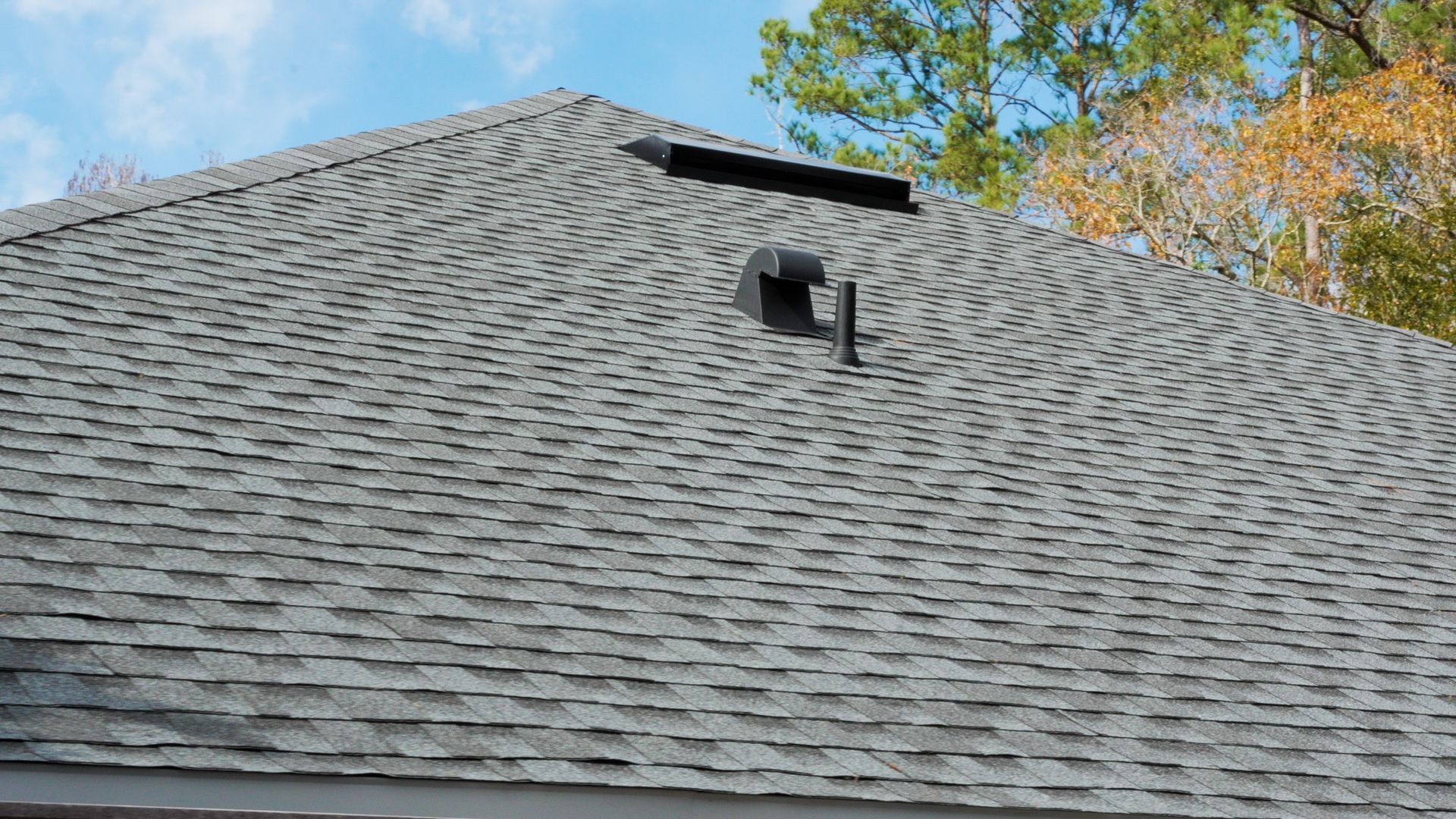
- Ridge vents at the peak of the roof to allow hot air to escape continuously
- Gable vents in some configurations, though these work best when paired with, not substituted for, soffit and ridge venting
- Adequate insulation to prevent conditioned air from migrating into the attic space
The key is balance. Too many exhaust vents without sufficient intake will cause the system to draw air from inside the house rather than outside, defeating the purpose entirely. Too much intake without proper exhaust traps heat and moisture just as effectively as no ventilation at all. Getting the ratio right requires both knowledge and experience.
The Role of Ventilation in New Roof Installations and Replacements
If you're replacing an aging roof, there's no better time to evaluate and upgrade your attic ventilation. Keeler Roofing's installation process includes a thorough assessment of the existing ventilation setup, with recommendations to bring the system into alignment with both manufacturer requirements and Florida's specific climatic demands.
For homeowners investing in a new shingle or metal roof, addressing ventilation at the time of installation adds minimal cost relative to the long-term benefit. Correcting a ventilation problem after the fact, which potentially involves pulling back new roofing material to access the deck, is far more disruptive and expensive.
Protect Your Roof From the Inside Out
Most roofing discussions focus on what you can see: shingle color, metal panel profiles, curb appeal. But the decisions made inside the attic, regarding airflow, balance, and moisture management, determine how long any roof system actually lasts.
Florida's climate is unforgiving. High heat, persistent humidity, and seasonal storms put roofs through repeated stress. Proper attic ventilation won't eliminate that stress, but it will ensure your roof is equipped to handle it.
Keeler Roofing has completed more than 9,000 projects across North Central Florida, serving homeowners and business owners in Gainesville, Ocala, and surrounding communities with GAF-certified workmanship and a commitment to doing the job right the first time. If you have questions about your roof's ventilation, or if you'd like a free inspection and estimate, contact Keeler Roofing today.
Frequently asked questions about Florida roofing and insurance
How do I know if my attic has enough ventilation?
The standard requirement is one square foot of net free ventilation area for every 150 square feet of attic floor space, split evenly between intake and exhaust. Signs of insufficient ventilation include excessively hot attic temperatures, moisture or mold, and shingles that are deteriorating faster than expected. A professional roof inspection can assess whether your current setup meets the necessary requirements.
Can poor attic ventilation void my roofing warranty?
Yes. Many roofing material manufacturers, including GAF, require that ventilation meets specific standards as a condition of their product warranties. If ventilation is inadequate and materials fail prematurely, the warranty claim may be denied. Keeler Roofing ensures ventilation requirements are met on every installation to protect both the roof and the warranty coverage.
How much does fixing attic ventilation cost compared to replacing a roof early?
Ventilation corrections (adding or repositioning vents, ensuring balance between intake and exhaust) are relatively minor compared to the cost of a full roof replacement. A roof replacement in Florida can range from several thousand to tens of thousands of dollars depending on size and materials. Investing in proper ventilation upfront or correcting it during a roof replacement is one of the most cost-effective decisions a homeowner can make.
Does attic ventilation matter for metal roofs as well as shingle roofs?
Yes. While metal roofing is generally more durable and heat-resistant than asphalt shingles, proper attic ventilation still plays a critical role in managing moisture, protecting the structural deck, and maintaining energy efficiency. The ventilation requirements for metal roof systems may differ slightly, and Keeler Roofing's team can advise on the appropriate setup for your specific roof type.
How often should attic ventilation be inspected in Florida?
Annual inspections are a sound practice, particularly following hurricane season. Over time, vents can become blocked by debris, insulation can shift and cover intake vents, and components can deteriorate. Regular inspections allow minor issues to be caught and corrected before they develop into significant problems.
Related Posts