The Compounding Cost of Storm Damage: Why One Hurricane Season Hits Harder Than One Storm
Quick answer:
Hurricane season doesn't deliver one big hit; it delivers many. Each storm that passes over your property adds stress to whatever the last one left behind. The financial danger isn't any single event. It's the way repeated storms quietly stack damage until a small, inexpensive problem becomes a structural one.
Florida property owners in Gainesville, Ocala, and across North Central Florida face this reality every season. Keeler Roofing has completed over 9,000 roofing projects since 2014, and one pattern is consistent: the most costly repairs aren't caused by one major storm. They're caused by smaller damage that was left unaddressed through several of them.
How Repeated Storms Damage Your Roof Differently
A single severe storm does obvious damage. Shingles tear away, a section fails, and the problem is visible and documentable. A full season of storms works differently and, financially, often far worse.
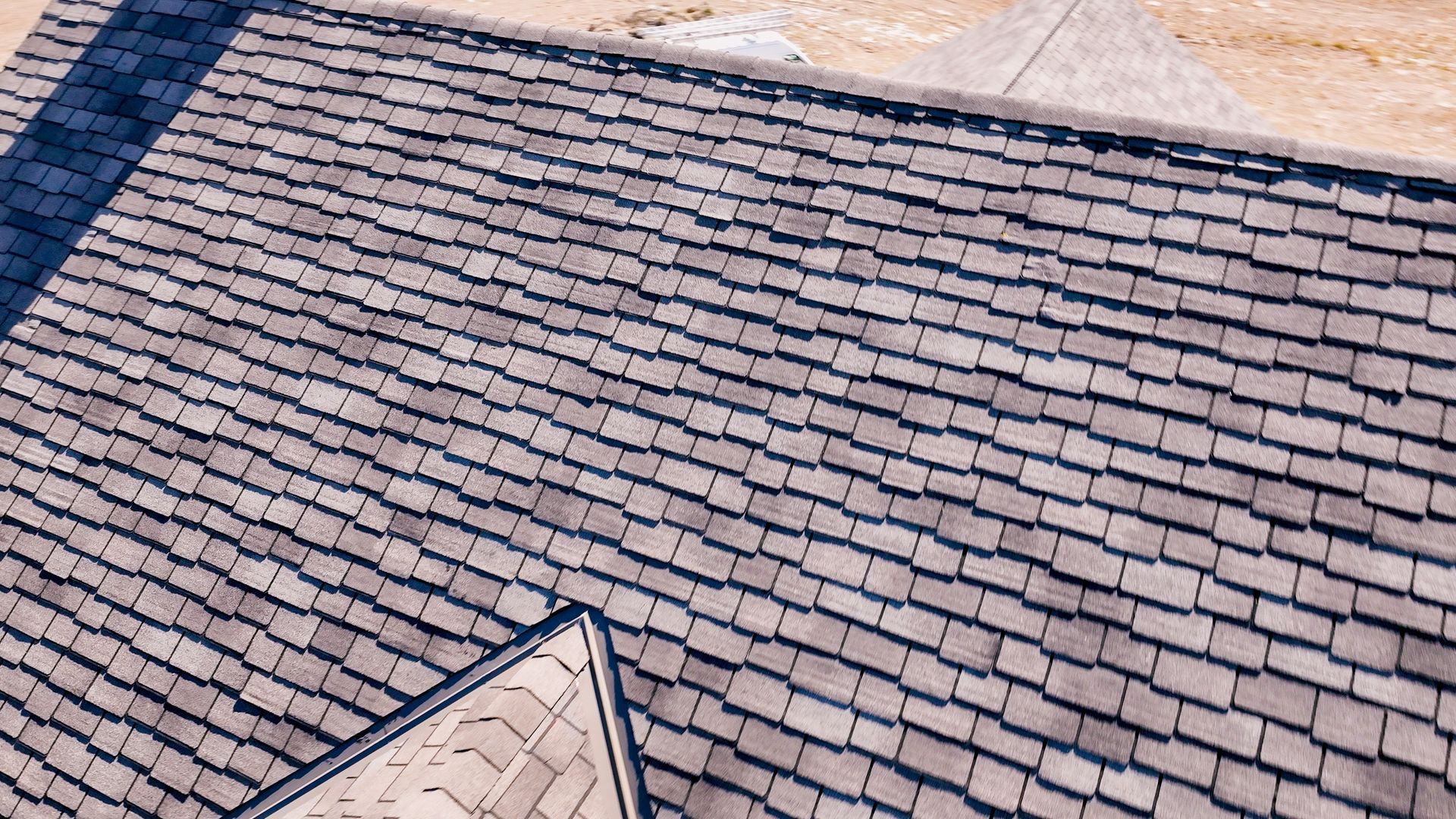
Each system that passes over your property does a little work. Wind lifts a shingle a fraction more. Rain finds a slightly wider path through a compromised sealant joint. What was intact in July gives way in September. No single storm caused the failure on its own, so no single moment feels like an emergency, until the damage arrives all at once, usually during the worst possible weather.
This is why mid-season damage is so easy to underestimate. A roof that survives every storm without obvious failure can still be quietly accumulating stress. By the time that stress reveals itself, the bill has already multiplied.
The Real Cost Gap: Repair Now or Replace Later
The numbers make the case clearly. A minor repair caught mid-season (a reseal around a vent, a few replaced shingles, a flashing fix) often costs a few hundred dollars. Left unaddressed through several more storms, that same vulnerability can saturate the roof deck, ruin insulation, and force a partial or full replacement running into the thousands.
Here's what drives that gap:
- Water travels. A leak that starts at a lifted shingle rarely stays there. It moves along beams and framing, spreading damage far from its entry point.
- Moisture invites more problems. Trapped water breeds mold, rots wood, and corrodes fasteners, each adding its own line to the repair bill.
- Structural damage escalates quickly. Once the deck absorbs water, the repair is no longer a surface fix. It becomes a structural one.
For business owners, the arithmetic is steeper still. A leak reaching inventory, equipment, or interior finishes doesn't just cost the repair. It halts operations, damages stock, and drives customers elsewhere. Every day a commercial roof stays compromised adds potential lost revenue on top of the physical damage.
How Repeated Storms Complicate Your Insurance Claim
Insurance is where mid-season delay quietly costs property owners the most. Many assume they can wait until November, tally the full damage, and file one claim. That approach carries real risk.
Insurers expect you to limit further damage. Once a problem is known, most policies require you to take reasonable steps to prevent it from worsening, often referred to as your duty to mitigate. If a small leak becomes a major one because it went unaddressed for weeks, an insurer may reduce or deny the portion of the claim tied to that worsening. The damage you could have prevented becomes damage you pay for yourself.
Attributing damage becomes harder. When several storms pass over one roof, proving which event caused what is complicated. A claim is strongest when it's tied to a specific, documented storm. Wait too long, and the picture blurs into general wear and tear, which most policies don't cover.
Documentation protects your claim. A timely, professional inspection after a significant storm creates a dated record of your roof's condition. That record is one of the most valuable things you can have if a claim becomes necessary, as it shows you acted responsibly and pins the damage to the right moment.
What This Looks Like in Practice
Consider two homeowners on the same street. Both take a hit from an early-season storm that lifts a few shingles. Neither sees an obvious leak.
The first schedules a professional inspection the following week. A roofer reseals the exposed area and replaces four shingles for a modest fee. Done.
The second waits. Three more storms roll through over the next six weeks, each driving water a little deeper through that same weak spot. By late October, a ceiling stain appears. The attic insulation is soaked, the deck has begun to rot, and mold is forming. The repair now runs into the thousands, and because the damage worsened over weeks of known exposure, the insurer covers only part of it.
Same starting point. Vastly different outcomes. The only variable was time.
For commercial properties, the consequences are harsher. A retailer with a slow membrane leak keeps the doors open, assuming the roof held. Ponding water works through a seam until it reaches the sales floor, damaging stock and forcing a temporary closure. The repair cost is only part of the loss. The closed days and displaced customers cost more
Common Mistakes That Multiply the Bill
- Assuming no visible leak means no damage. Most compounding storm damage is invisible from the ground until it becomes severe.
- Waiting for the season to end. Every additional storm deepens existing vulnerabilities and weakens your insurance position.
- Skipping documentation. Without dated photos and inspection records, proving cause and timing is far more difficult.
- Attempting DIY inspections. Storm-loosened roofs are genuinely dangerous to walk on, and an untrained eye misses what a professional catches.
- Delaying outreach until demand spikes. Roofers are busiest following major events. Acting earlier means faster service and more thorough attention.
Why Acting Between Storms Is the Smartest Financial Decision
The most cost-effective step any property owner can take right now is to treat roof damage as time-sensitive, not seasonal. Addressing a vulnerability between storms costs a fraction of what it costs after several more systems have compounded it.
Acting promptly protects your finances on every front. It keeps repairs small, your insurance position strong, and your property running without the disruption of an emergency during active weather. Homeowners avoid the shock of a five-figure replacement. Business owners protect revenue, inventory, and reputation from a single preventable leak.
There is also a practical scheduling advantage. Reaching out while the situation is still manageable means quicker appointments and more thorough service than you will get in the surge that follows the next major storm.
Protect Your Property With Keeler Roofing
A season of storms doesn't announce the damage it's doing, until the cost has already compounded. The property owners who come through hurricane season in the strongest financial position are those who act between storms, not after them.
Keeler Roofing has the expertise to identify compounding damage early, document it properly, and resolve it before it escalates. With over 9,000 completed projects across Gainesville, Ocala, and North Central Florida, and a 4.9-star rating, our team delivers honest, expert assessments that protect both your property and your claim. Contact Keeler Roofing today to schedule your mid-season inspection and keep a manageable repair from becoming a costly one.
Get your free estimate from Keeler Roofing today.
Frequently Asked Questions About Roof Decking in Florida
What is roof decking made of, and how long does it last?
Most roofs use OSB or plywood decking, which can last 20 to 30 years with proper care. Moisture and storm damage, however, can shorten its lifespan.
Can I spot decking damage from inside my home?
Sometimes. Water stains, mold, or musty smells in the attic may point to damaged decking. In severe cases, you might see sagging or daylight through the attic ceiling.
Will homeowner’s insurance cover damaged decking
It depends on the cause. Storm-related damage is often covered, but gradual wear or poor maintenance typically isn’t. Check your policy for details.
How much does it cost to replace roof decking in Florida?
Costs vary based on damage severity and roof size. Localized repairs are more affordable, while full decking replacement is a bigger expense. Keeler Roofing provides detailed, free estimates.
Is decking replacement always necessary?
No. If the decking is structurally sound and meets building codes, it doesn’t need replacement. A professional inspection determines its condition before a roof replacement.
How do Florida's building codes affect decking requirements?
Florida’s codes mandate specific decking standards, especially in hurricane-prone areas. Certified contractors ensure compliance for safety and durability.
Related Posts