The Post-Hurricane Season Roof Checklist Every Florida Property Owner Needs
Hurricane season runs through November 30, and by the time it winds down, your roof has likely taken a beating. Even if no single storm caused obvious damage, months of wind, rain, humidity, and flying debris add up. A thorough post-season inspection is one of the smartest investments you can make before heading into Florida's drier winter months.
Whether you own a home in Gainesville or manage a commercial property in Ocala, this end-of-season checklist helps you catch problems early, document what matters, and make confident decisions about repairs before minor issues turn into major expenses.
Start With Safety — Leave the Roof to the Professionals
Before you begin any inspection, one rule applies: stay off the roof. Even after storm season ends, storm-weakened decking can fail underfoot, and surfaces damaged over several months of weather may not be obvious from above. What looks solid can give way without warning.
A safe post-season inspection starts from the ground. Here is how to do it right:
- Wait for dry, daylight conditions before walking the property.
- Report any remaining hazards, such as damaged trees or debris near the roofline, before getting close.
- Skip the ladder. Most meaningful damage can be spotted from the ground with a careful eye or a pair of binoculars.
- Leave hands-on inspection to a licensed roofer who has the training and equipment to work safely at height.
Ground-Level Inspection: What to Look For
Walk the full perimeter of your home or building after storm season and look at the roof from multiple angles. Take your time and check each of these areas:
- The roofline: Look for sagging, dips, or uneven sections that could indicate structural stress accumulated over the season.
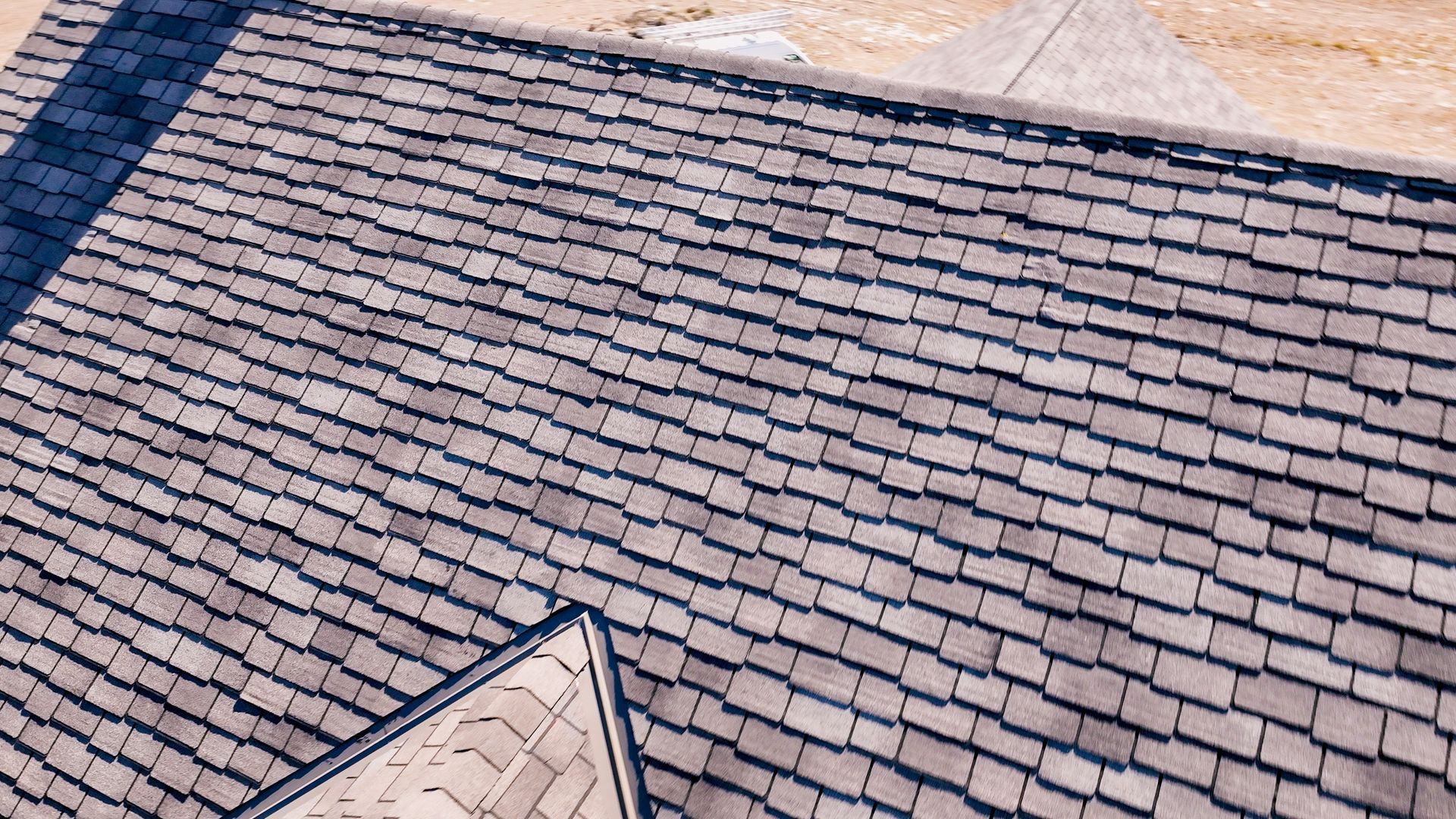
- Shingles or roofing panels: Scan for gaps, missing pieces, lifted edges, or sections that appear out of alignment.
- Gutters and downspouts: Check for bent or detached sections. A large buildup of shingle granules in the gutters is a sign of accelerated surface wear.
- Your yard and parking areas: Shingle fragments, flashing pieces, or metal bits on the ground suggest your roof lost material at some point during the season.
- Soffits and fascia: These edge components face repeated wind exposure and can allow water and pests inside when damaged.
- Trees near the structure: Broken branches resting against or on the roof can puncture material and trap moisture against the surface.
For commercial property owners with flat or low-slope roofs, look for standing water, torn or bubbled membrane, and any displaced rooftop equipment such as HVAC units or vent covers
Damage Patterns to Watch For After a Full Storm Season
Post-season damage often looks different from single-storm damage. Months of repeated weather events leave behind a pattern of cumulative wear rather than one dramatic failure point.
Lifted, Loosened, or Missing Shingles
Wind events throughout the season can progressively weaken the adhesive seal strips that bond shingles together. A shingle that survived June may have finally let go by October. Look for shingles that appear raised, curled, creased, or simply gone. Exposed underlayment — the dark material visible beneath missing shingles — is a sign that water has a direct path into your roof system.
Flashing Failure
Flashing is the metal material that seals joints around chimneys, vents, skylights, and roof valleys. Repeated wind and rain throughout the season can loosen flashing fasteners and pull metal away from the surface it is meant to protect. These transition points are among the most common sources of roof leaks. From the ground, look for flashing that appears bent, separated, or no longer flush.
Impact Damage From Season-Long Debris
Between tropical storms, squalls, and gusty afternoons, Florida roofs face repeated debris strikes over the course of a long season. Branches, palm fronds, and loose objects each leave small marks — scuffs, cracks, dents — that compound over time. Look for visible surface damage, areas where the roof appears scraped or broken, and any spots that seem to have taken repeated hits.
Interior Warning Signs
By end of season, water that entered your roof at any point may have already made its way inside. Before scheduling a professional inspection, check your interior for:
- Water stains or discoloration on ceilings and walls
- Peeling paint or bubbling drywall
- Damp spots or wet insulation in the attic
- A musty or mildew smell that was not there before the season
- Stained or sagging ceiling tiles in commercial spaces
Even a faint stain can point to a problem that has been building since the first summer storm.
Why "No Major Damage" Does Not Mean "No Damage"
This is one of the most important things to understand at the end of storm season. Many property owners reach November, look at their roof from the driveway, and feel relieved. The roof is still there. No obvious catastrophe occurred. That feeling, while understandable, can lead to costly inaction.
Months of repeated wind can progressively break seal strips without removing a single shingle. Rain-driven moisture can work beneath loosened edges and into the underlayment. Florida's humidity prevents that moisture from drying out fully between storms. The result is hidden wood rot, mold growth, and weakened decking that does not show up as an interior leak until months later — often in the middle of winter when connecting the damage to a specific storm is far more difficult.
A professional post-season inspection closes that gap. Trained roofers know the patterns that repeated storm exposure leaves behind and can identify subtle damage that never becomes visible from the ground.
Document Your Roof's Condition Before the Season Officially Ends
Insurance documentation is just as important at the end of storm season as it is right after a single storm. Florida has strict claim filing timelines, and building a clear, timestamped record of your roof's condition helps protect your options.
Use these steps to create a strong post-season record:
- Photograph your roof from every side of the property, capturing both wide views and close-up details.
- Take photos of debris in your yard, including shingle fragments, granule deposits in gutters, and fallen limbs.
- Document any interior damage, including ceiling stains, damp spots, and affected belongings.
- Use date-stamped images or preserve the original file metadata so the timeline is clear.
- Record short walkthrough videos of damaged areas for added context.
- Save receipts for any temporary repairs or protective measures, such as tarps, you applied during the season.
If you have already made repairs during the season, gather those records as well. A complete timeline works in your favor when working with an insurance adjuster.
Roofer or Insurance Claim — Which Call Comes First?
At the end of hurricane season, many property owners are unsure whether to call a roofer for an inspection first or go straight to their insurance company. In most situations, the roofer comes first.
Call a Roofer First When:
- You have an active or intermittent leak. A roofer can assess the source and provide temporary protection while you notify your insurer.
- You are unsure of the extent of the damage. A professional inspection gives you documented findings before you commit to a claim.
- The damage appears minor. Florida hurricane deductibles are often set as a percentage of your total dwelling coverage, not a flat dollar amount. If repair costs fall below that threshold, filing a claim may not be in your financial interest.
File an Insurance Claim When:
- A professional inspection confirms significant damage, such as large areas of missing shingles, structural compromise, or widespread moisture intrusion.
- Repair costs clearly exceed your deductible.
- Interior damage affects ceilings, walls, flooring, or belongings.
Check your policy carefully for end-of-season filing deadlines. Waiting too long can put your coverage at risk, regardless of how legitimate the damage is. A detailed inspection report from a qualified local roofer supports your claim and helps ensure the full scope of damage is captured.
Watch Out for Storm Chasers
Post-season is prime time for out-of-town contractors canvassing neighborhoods after a busy hurricane season. Some of these operators do low-quality work, demand large deposits up front, and disappear before the job is complete. Always hire a licensed, insured Florida roofing contractor with a verifiable local presence and a track record in your community.
Your End-of-Season Roof Checklist
Use this checklist as your post-hurricane-season starting point:
- Walk the property perimeter and inspect the roofline from the ground.
- Look for missing, lifted, or damaged shingles, flashing, soffits, and gutters.
- Check gutters and downspouts for accumulated granules and storm debris.
- Inspect your attic, ceilings, and walls for moisture, staining, or musty odors.
- Photograph and video the roof exterior and any interior warning signs.
- Gather receipts and records for any repairs or temporary protective measures made during the season.
- Schedule a professional post-season roof inspection before the new year.
- Review your insurance policy, deductible, and claim filing deadlines.
- File a claim if inspection findings and costs support it.
Schedule Your Free Post-Season Roof Inspection With Keeler Roofing
The end of hurricane season is the right time to find out exactly where your roof stands. Damage that built up over months of storms does not fix itself over winter. Getting a professional assessment now means addressing problems while they are still manageable — before they grow into something that disrupts your home, your business, and your budget.
Keeler Roofing serves homeowners and business owners throughout North Central Florida, including Gainesville, Ocala, and surrounding communities. Our team understands how a full Florida storm season affects both residential and commercial roofs, and we provide honest, detailed inspections that help you make the right decisions about repairs, maintenance, and insurance.
Schedule your free post-season roof inspection today. Call (352) 514-4930 or request your free estimate online, and let our local experts help you close out hurricane season with confidence.
Get your free estimate from Keeler Roofing today.
Frequently Asked Questions About Roof Decking in Florida
What is roof decking made of, and how long does it last?
Most roofs use OSB or plywood decking, which can last 20 to 30 years with proper care. Moisture and storm damage, however, can shorten its lifespan.
Can I spot decking damage from inside my home?
Sometimes. Water stains, mold, or musty smells in the attic may point to damaged decking. In severe cases, you might see sagging or daylight through the attic ceiling.
Will homeowner’s insurance cover damaged decking
It depends on the cause. Storm-related damage is often covered, but gradual wear or poor maintenance typically isn’t. Check your policy for details.
How much does it cost to replace roof decking in Florida?
Costs vary based on damage severity and roof size. Localized repairs are more affordable, while full decking replacement is a bigger expense. Keeler Roofing provides detailed, free estimates.
Is decking replacement always necessary?
No. If the decking is structurally sound and meets building codes, it doesn’t need replacement. A professional inspection determines its condition before a roof replacement.
How do Florida's building codes affect decking requirements?
Florida’s codes mandate specific decking standards, especially in hurricane-prone areas. Certified contractors ensure compliance for safety and durability.
Related Posts